
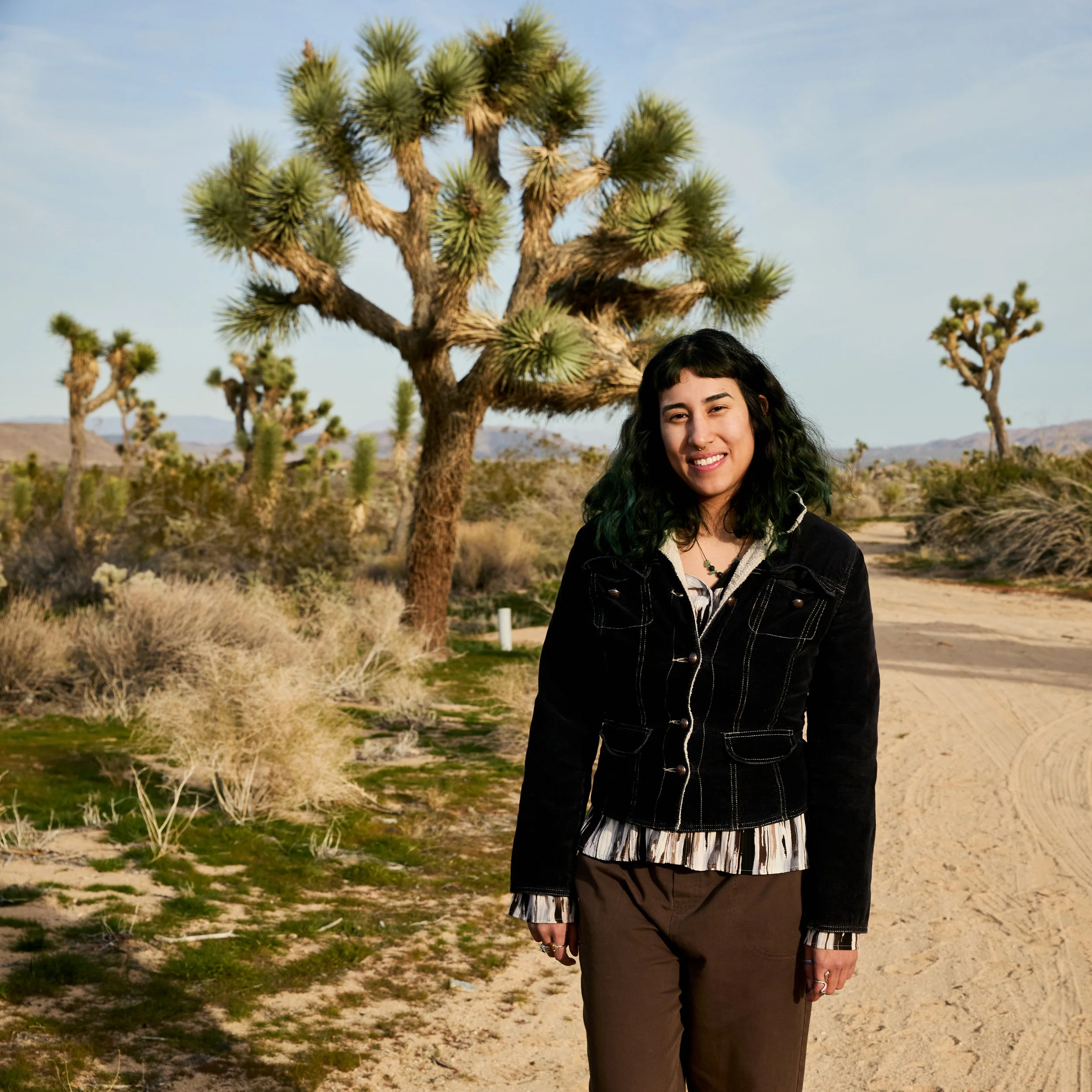
By Ashley Soto, Mojave Desert Seed Bank Field Supervisor
It’s always been clear to me that the outdoor world is one of limited diversity. Growing up in the middle of Los Angeles, and then in the Inland Empire, there was hardly a culture of outdoor recreation amongst the Latino and immigrant communities that surrounded me.
It became increasingly clear when I joined the conservation workforce: this field is lacking in diversity (about 81% of biological scientists are white according to the Bureau of Labor Statistics).
There are, of course, very real barriers that have led to these discrepancies in representation. Research shows that people of color are much less likely to partake in outdoor activities—partly due to accessibility (people of color are more likely to live in dense cities with limited nearby areas to enjoy the outdoors), but also due to historic prejudices that have left their mark to this day. For example, discrepancies in disposable income limits the time you can dedicate to enjoying the outdoors, but also limits the gear you can afford to do such activities. Many founders of the American conservation movement held racist beliefs, and believed that this space should center solely around white Americans. Not to mention the harsh reality that people of color are sometimes perceived as “suspicious” when seen recreating outdoors.
The lack of a strong outdoor culture amongst Latinos can make it easy to believe the perception that enjoying nature is something largely experienced by white communities. But, of course, this is far from the truth. I often think about the pre-colonial Americas, and the inherent connections that Latinos have to the land. When I visited my family in El Salvador, I saw first-hand just how connected Latinos are to the outdoors. My uncles spend their days tending to the plants that grow the food that they eat. They sit outside observing wildlife, and they even send me pictures of the birds and iguanas that they see. My dad has created his very own outdoor space and spends his free time tending to his garden (I can always safely assume to score a bounty of fruit when I visit). I now realize that my love for birds comes from his love of birds—the birds that come to his yard are always greeted with food and water.
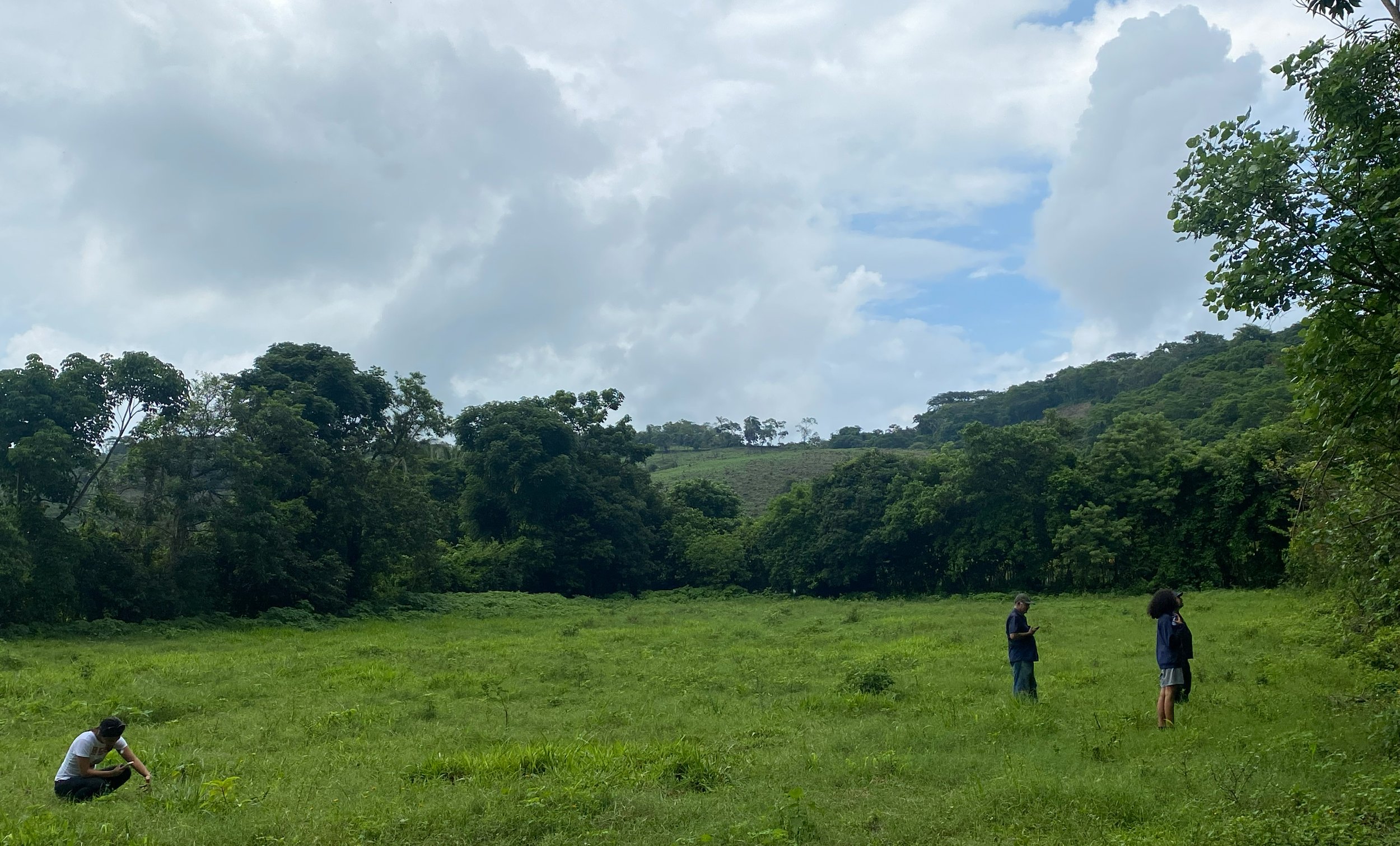
My uncle’s land in El Salvador.
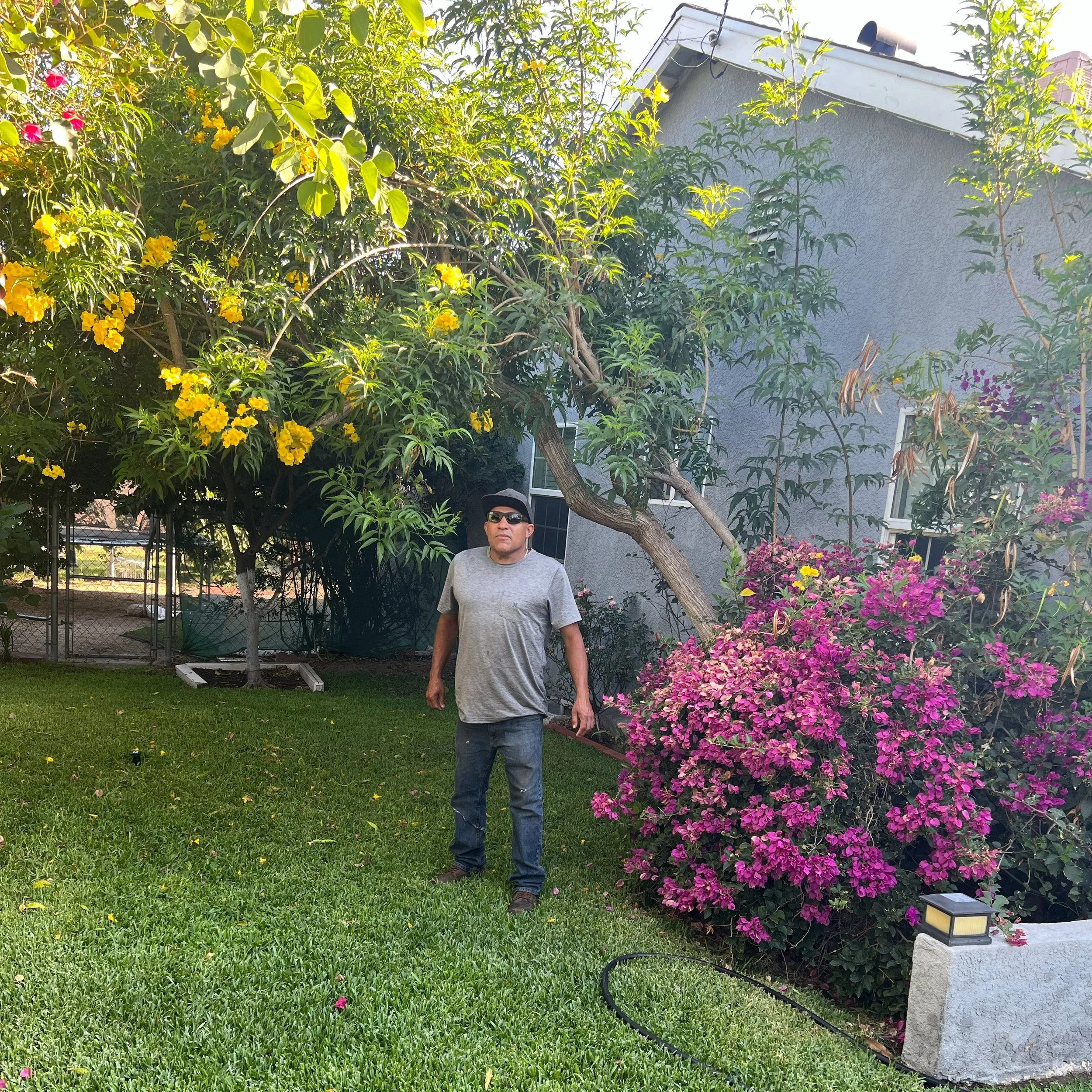
My dad and his beautiful garden.
Persistent stereotyping of outdoor recreation as a white pastime erases the stories of other communities, including Latinos. Enjoying the outdoors comes naturally to everyone, and especially to Latinos. Our ancestral history is intertwined with being a part of nature, and I believe we need to decolonize the mindset that separates us from this truth. Let’s not underestimate Latinos’ contributions to the field of ecology; we have unique experiences and perspectives to offer.
For me personally, it has been a difficult journey of discovery to find my way in conservation. Many times, I felt like I didn’t have any guidance, like I wasn’t fundamentally understood by my peers, or that I did not understand them. The reality of the underrepresentation of Latinos in STEM fields and the barriers that drive it can feel disempowering. I am proud to be a Latina in the world of ecology, and I hope to play my part in ensuring that more Latinos find their place in this field.
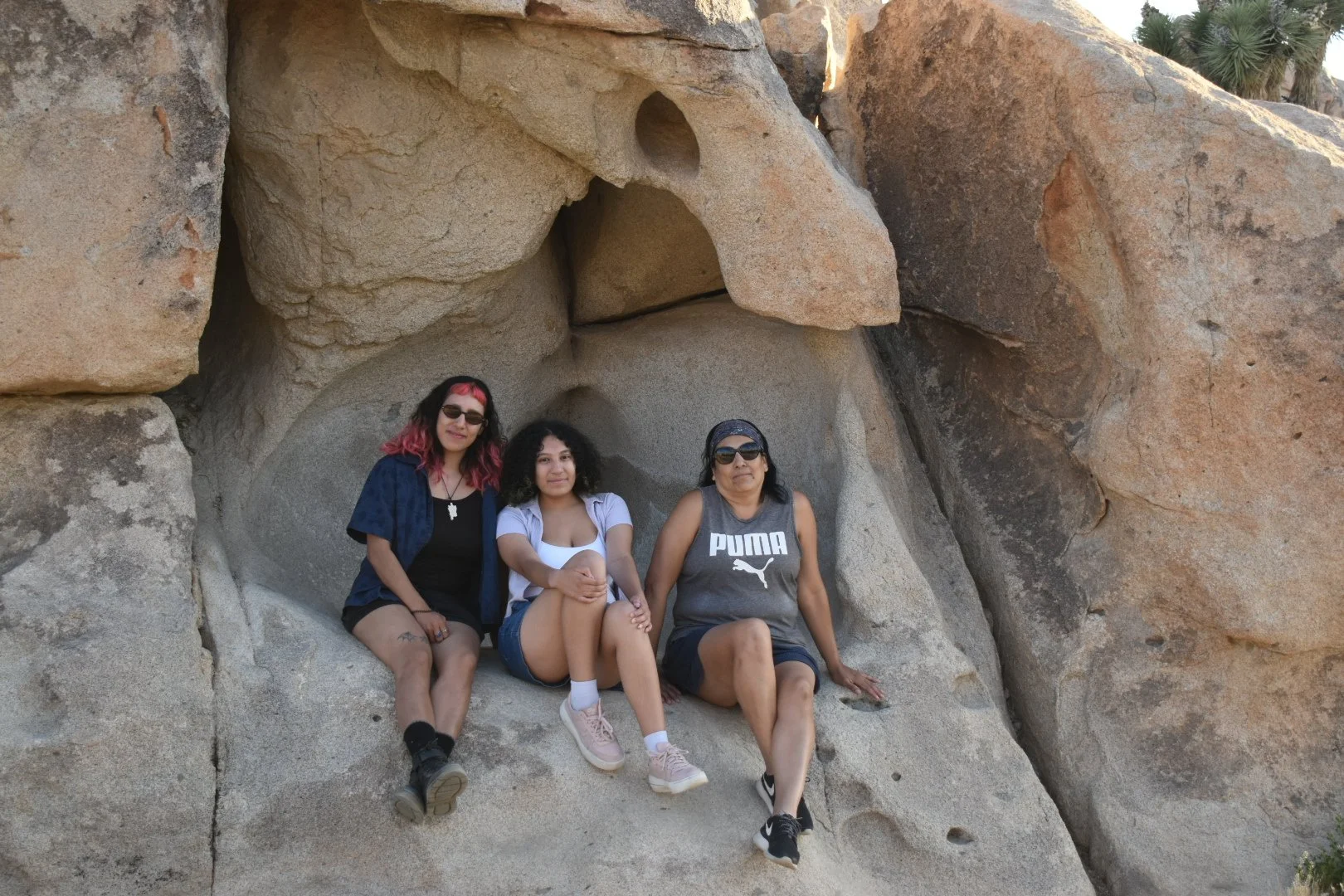
Over the years, I've warmed my family up to the idea of hiking. Here is me, my mom, and my sister at Joshua Tree National Park.
Conservation is just as much about community as it is about nature, so it’s important to listen to the stories and perspectives of all types of people. The conservation movement is stronger when we are united and when the empathy we extend to the natural world is extended to the people who are a part of it.
Happy Hispanic Heritage Month!
More reading