Image 1 of 2
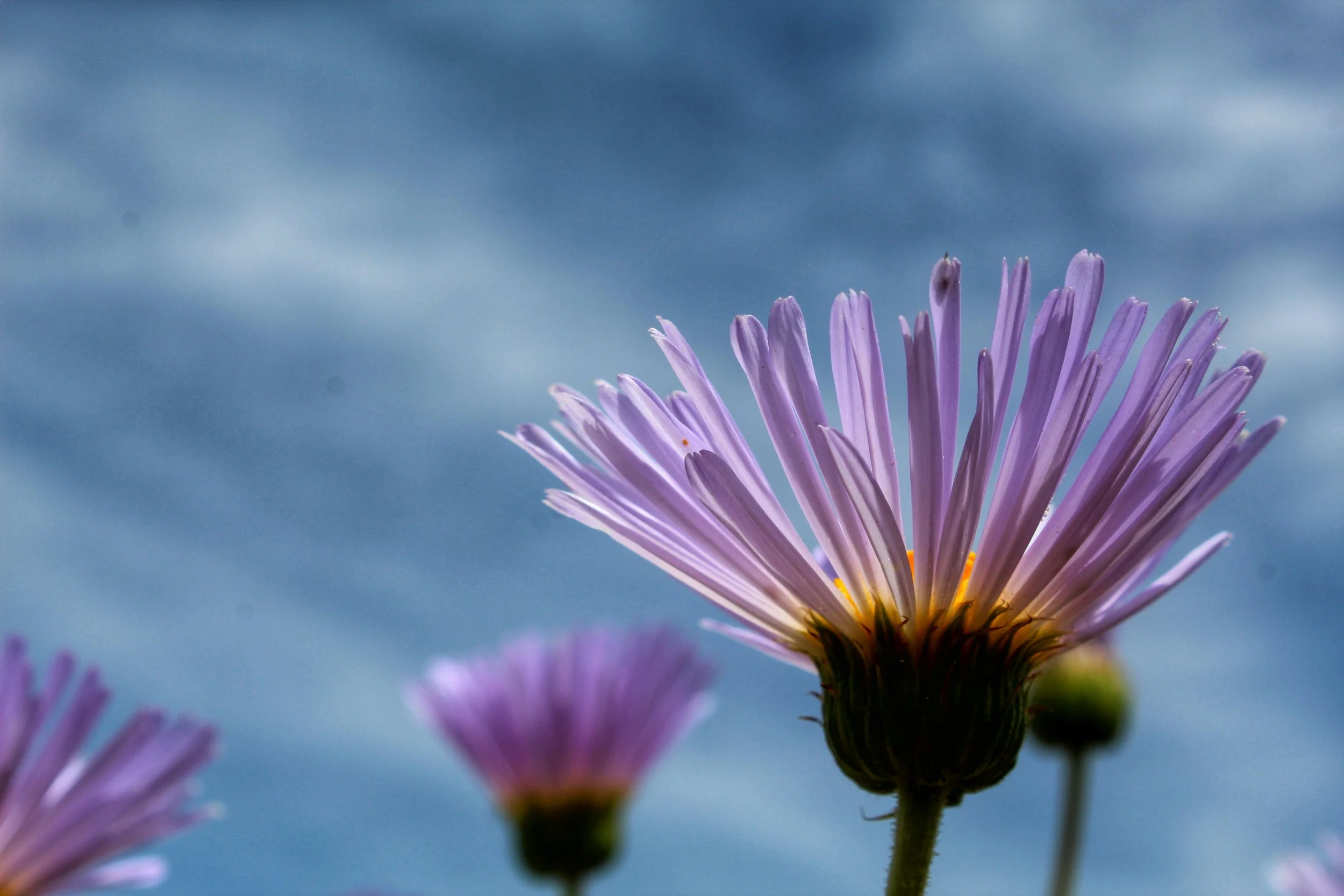 Image 2 of 2
Sold in a 1 gallon container.
Mature size: 1–2.5 feet H x 2-3 feet W
Sun exposure: Full sun
Soil: Well-draining
Water use: Low
Cold hardy to: 10 degrees F
Flowers: Lavender or white from March to June
Native to: California, southwestern Utah, and western Arizona
Elevation: 800–6,500 feet
Mojave aster is a long-lived shrub in the sunflower family. The leaves are soft, hairy, and aromatic. The pale lavender daisy-like flower has a bright yellow center. The flowers are particularly stunning when the thin lavender petals are backlit. Mojave aster grows on rocky desert slopes, canyons, and washes in the creosote bush scrub community. It is summer dormant, losing most or all of its leaves during the hottest months. It leafs out again in winter and blooms in spring.
Mojave aster is an important habitat plant for butterfl ies. It is the food plant for the larvae of Neuomoegen’s checkerspot (Chlosyne neumoegeni), a common desert butterfly. It is also a host plant for some moths and it attracts many other pollinators when in bloom.