 Image 1 of 2
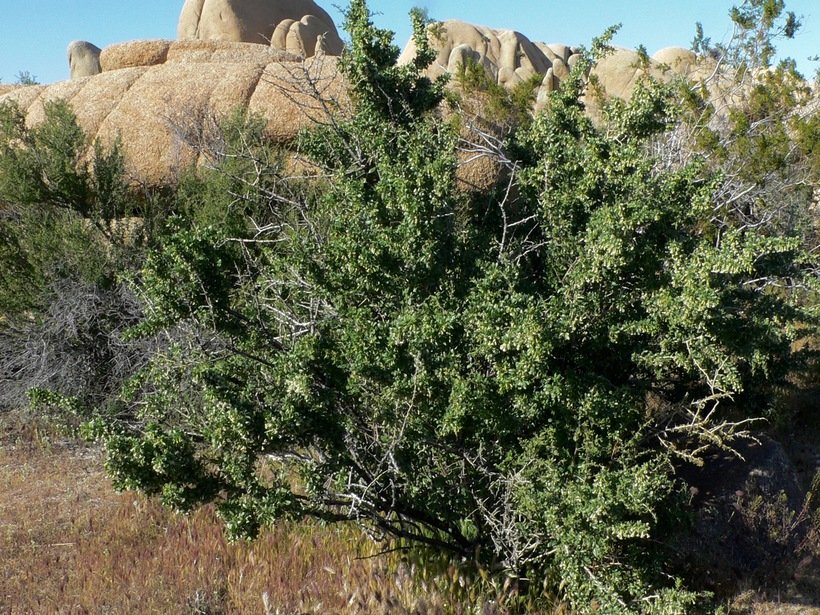 Image 2 of 2
Sold in a D60 container.
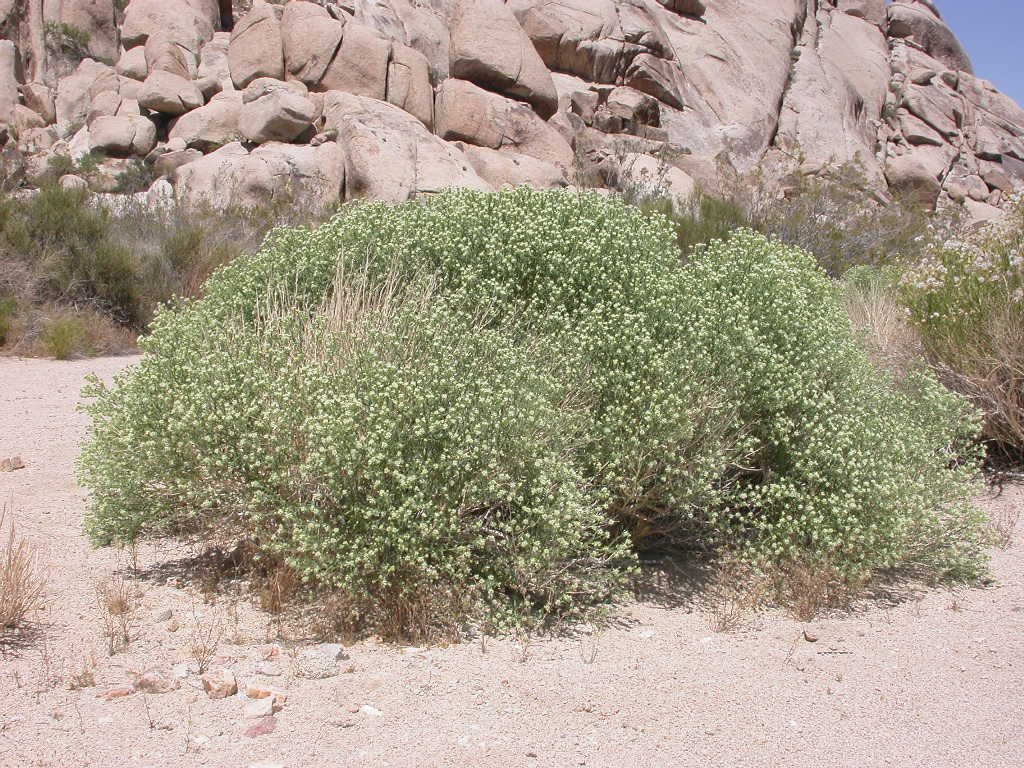
Mature Size: 9 feet H
Sun exposure: Full sun
Soil: Sandy, rocky, decomposed granite
Water Use: Low to very low
Cold Hardy to: 20 degrees F
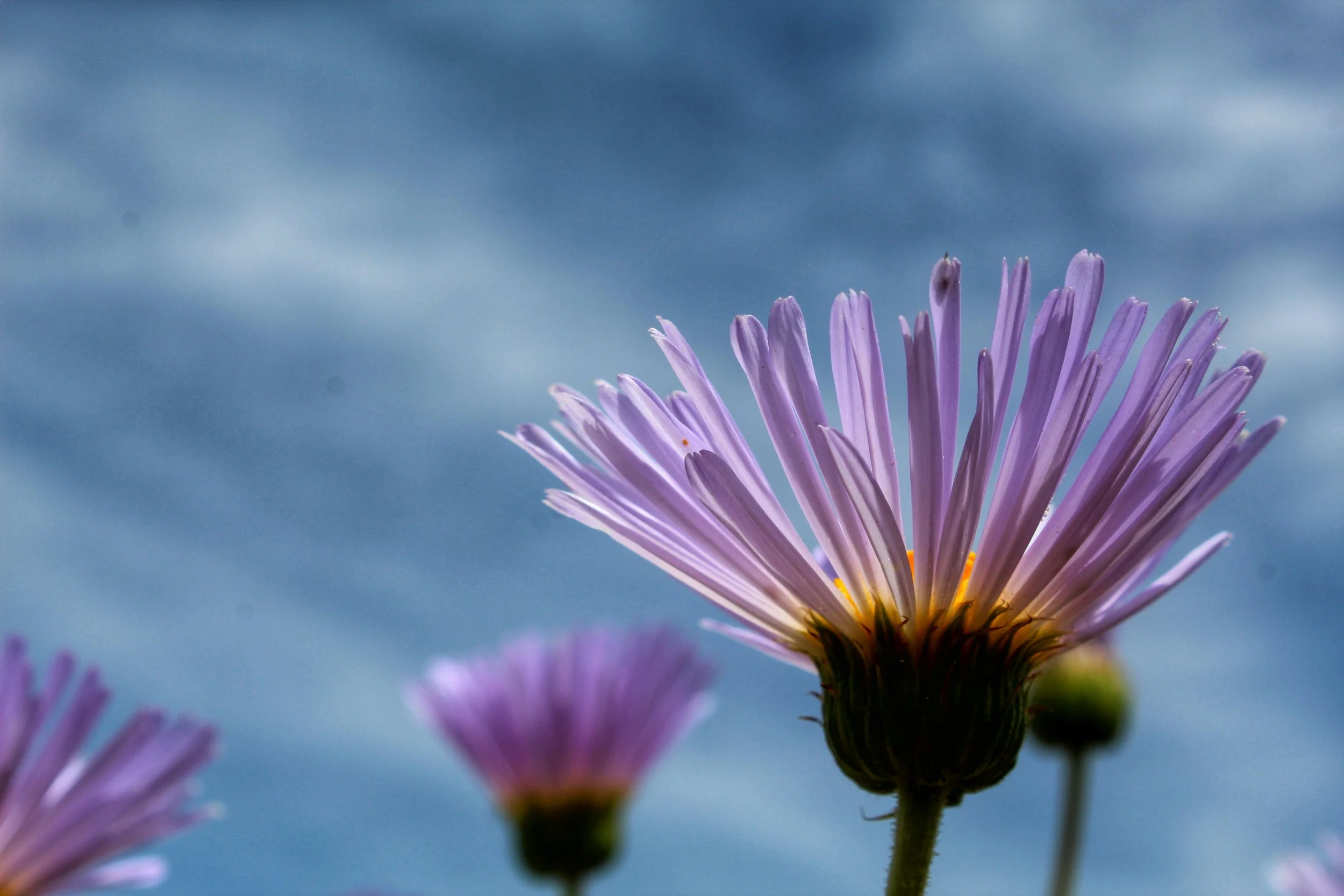
Flowers: Purple, lavender
Elevation: < 2,953 ft.
Native to: Southwestern United State and Northwestern Mexico
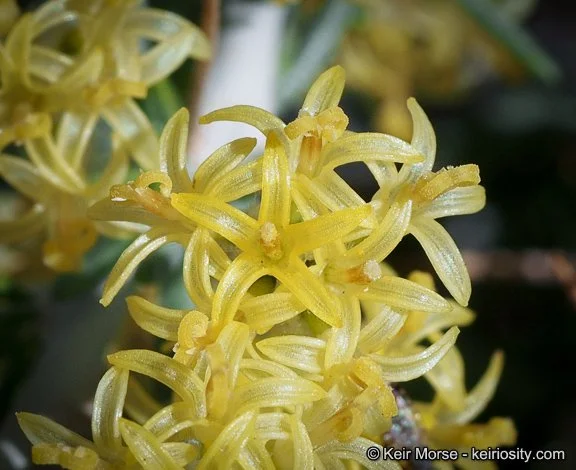
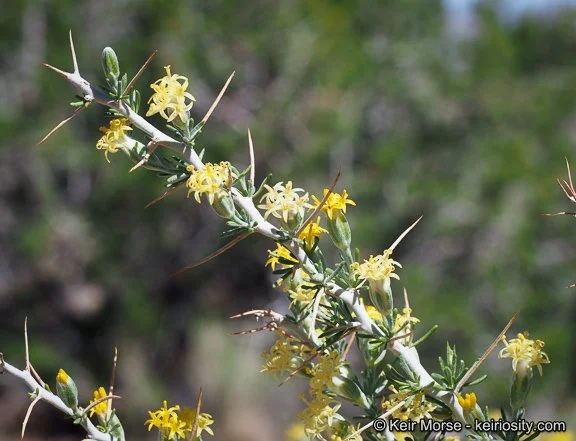
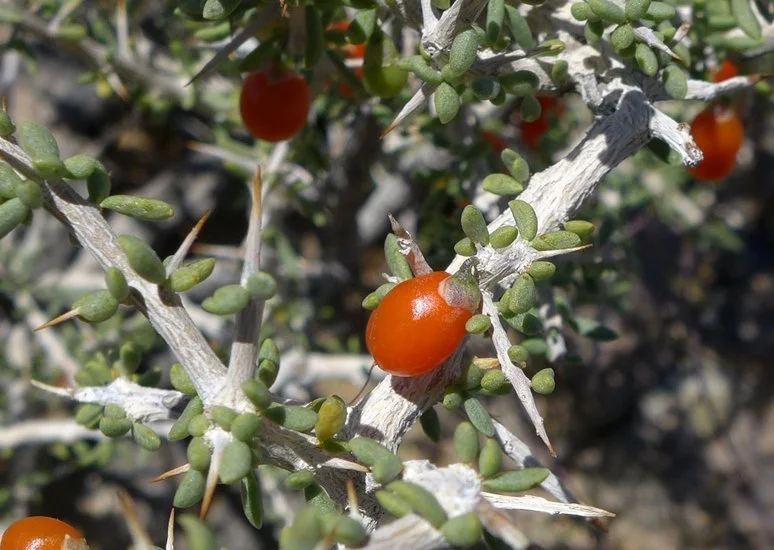
Anderson Thornbush is a robust, densely branched shrub that is in the Nightshade family. Its dense, spiral-shaped and thorny branches provide protection for smaller animals from larger predators. Leaves on the Anderson thornbush are flat, yet thick and succulent-like and shed during periods of drought.
Lavender-colored flowers bloom in Spring, followed by bright red fleshy fruits that serve as an important source of food and hydration for birds. It grows in sandy, gravelly washes and on slopes or mesas.