 Image 1 of 2
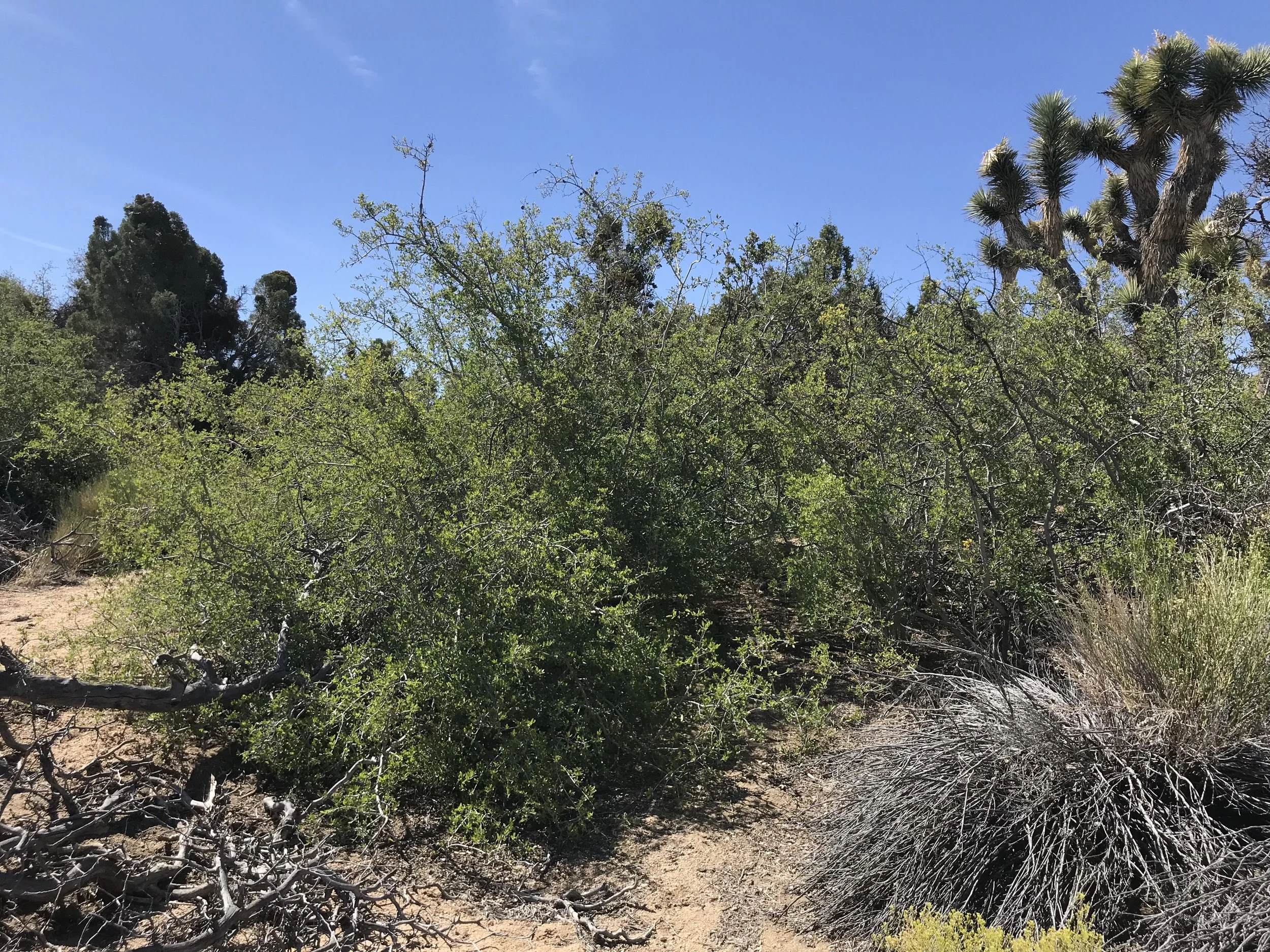 Image 2 of 2
Sold in a 1 gallon container.
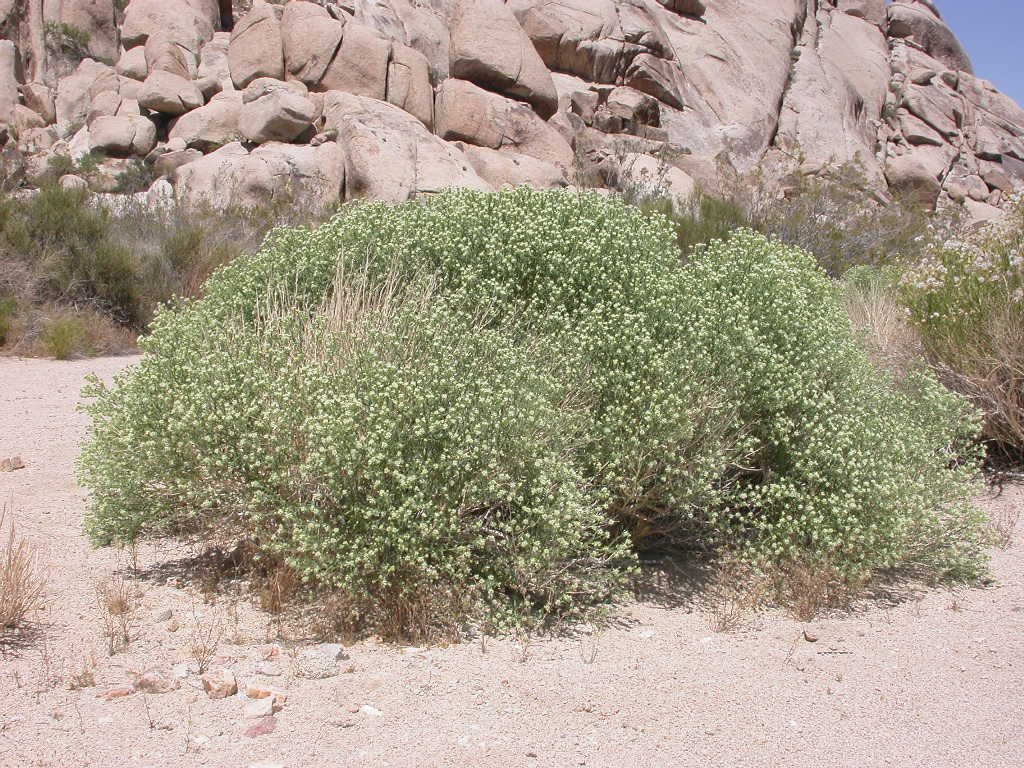
Mature size: 10-16 feet H x 8-12 feet W
Sun exposure: Full sun
Soil: Sandy
Water use: Moderate to regular
Cold hardy to: 10 degrees F
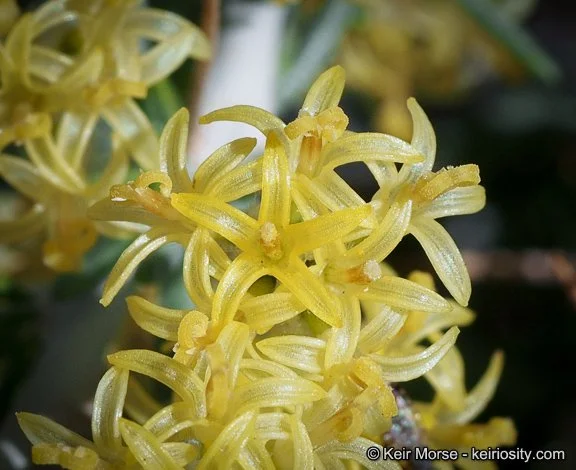
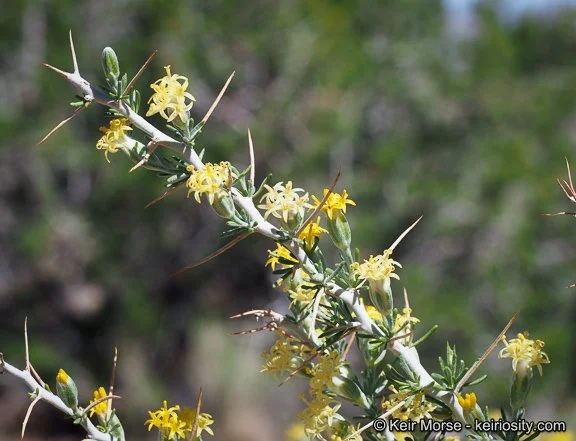
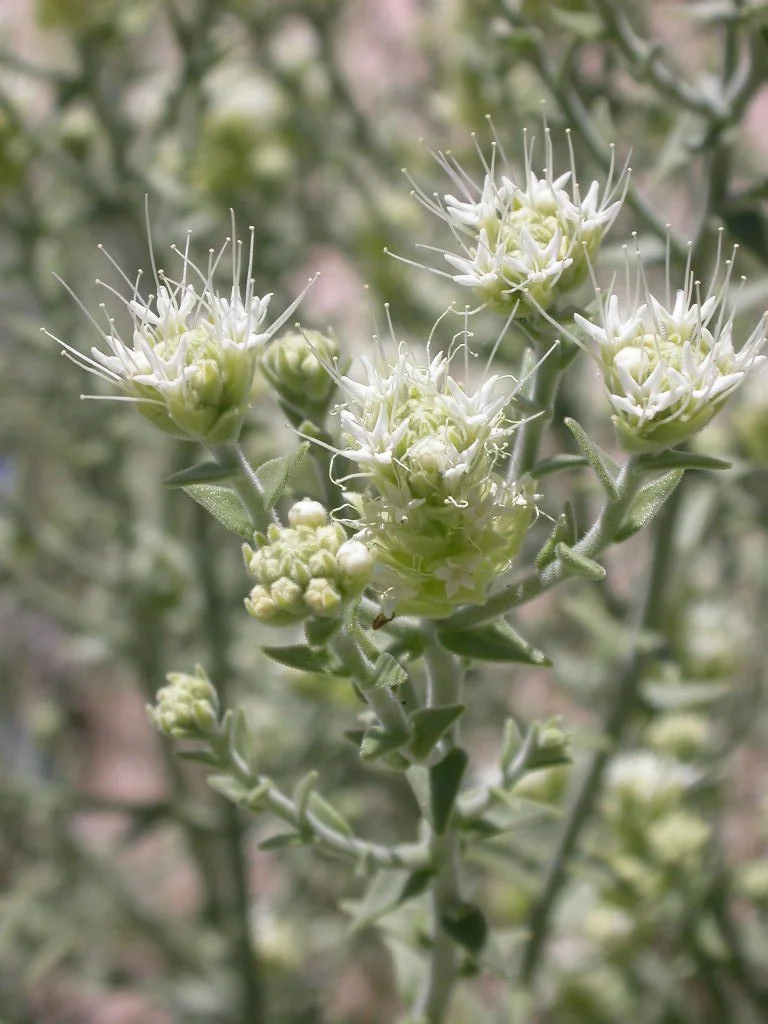
Flowers: Green and yellow in spring
Native to: California, Colorado, Texas, and northern Mexico
Elevation: 325 – 5,900 feet
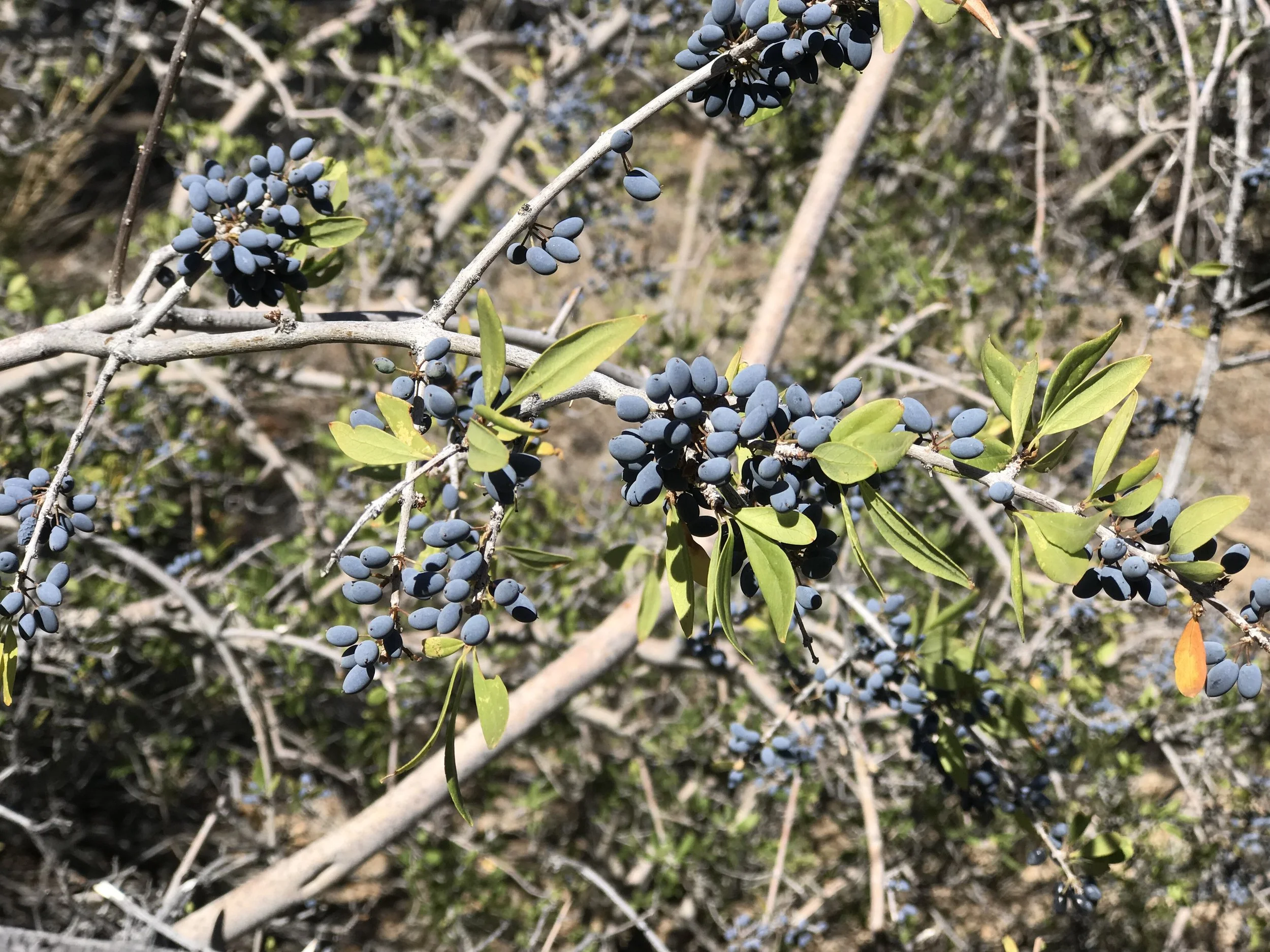
Desert olive is a large deciduous shrub or small tree with bright green deciduous foliage. The mature leaves are leathery and minutely toothed. The leaves turn yellow in the fall before they drop for the winter. The bark is distinctly tan-gray and satin smooth. The male and female flowers occur on separate plants. The female plants bear elliptic purple-black fruit that is highly attractive to native animals.
Desert olive comes with many common names including stretchberry, tanglewood, devil’s elbow, spring goldenglow, spring herald, and Texas forsythia. Its natural habitat includes desert streambanks, canyons, and washes with sandy or decomposed granite soils throughout the southwest.
In landscape conditions, it is great as an informal hedge. It looks best with regular water.