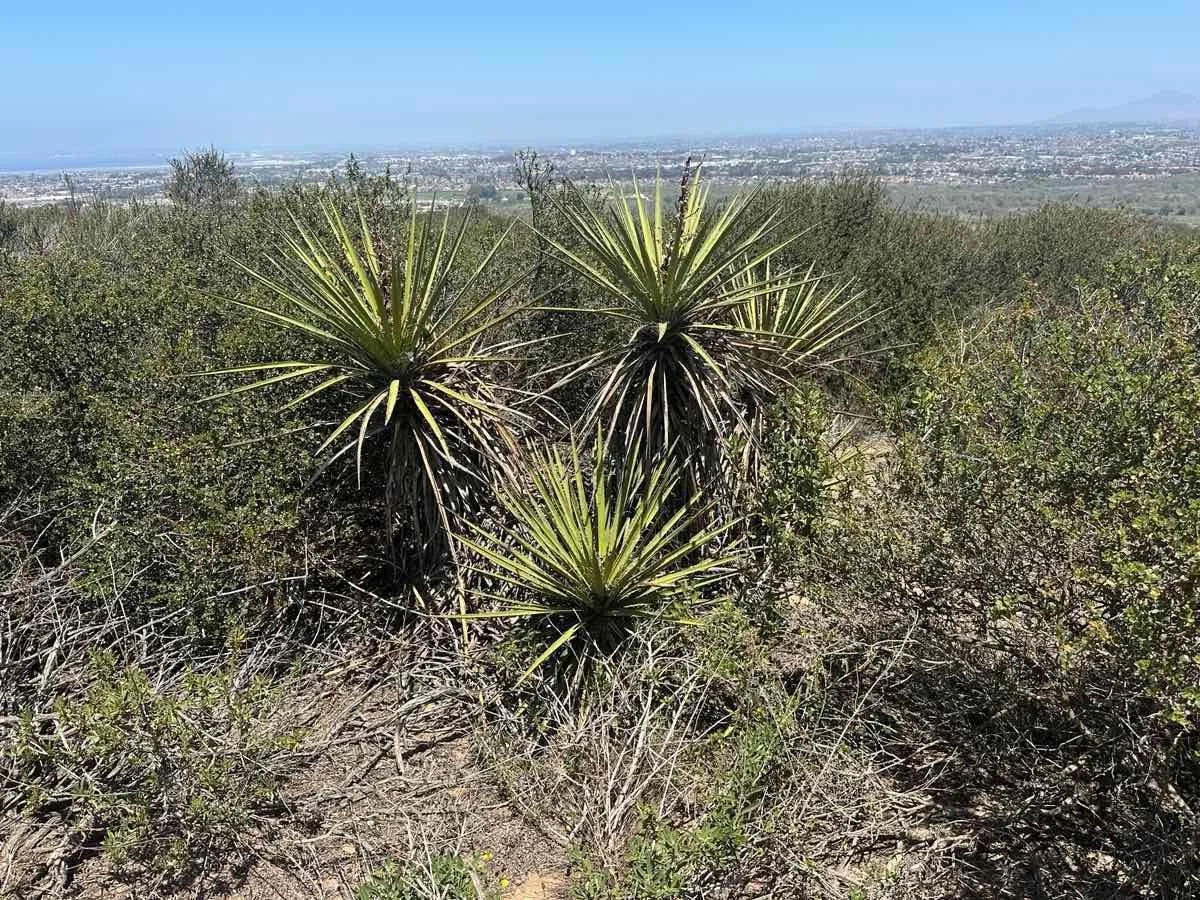
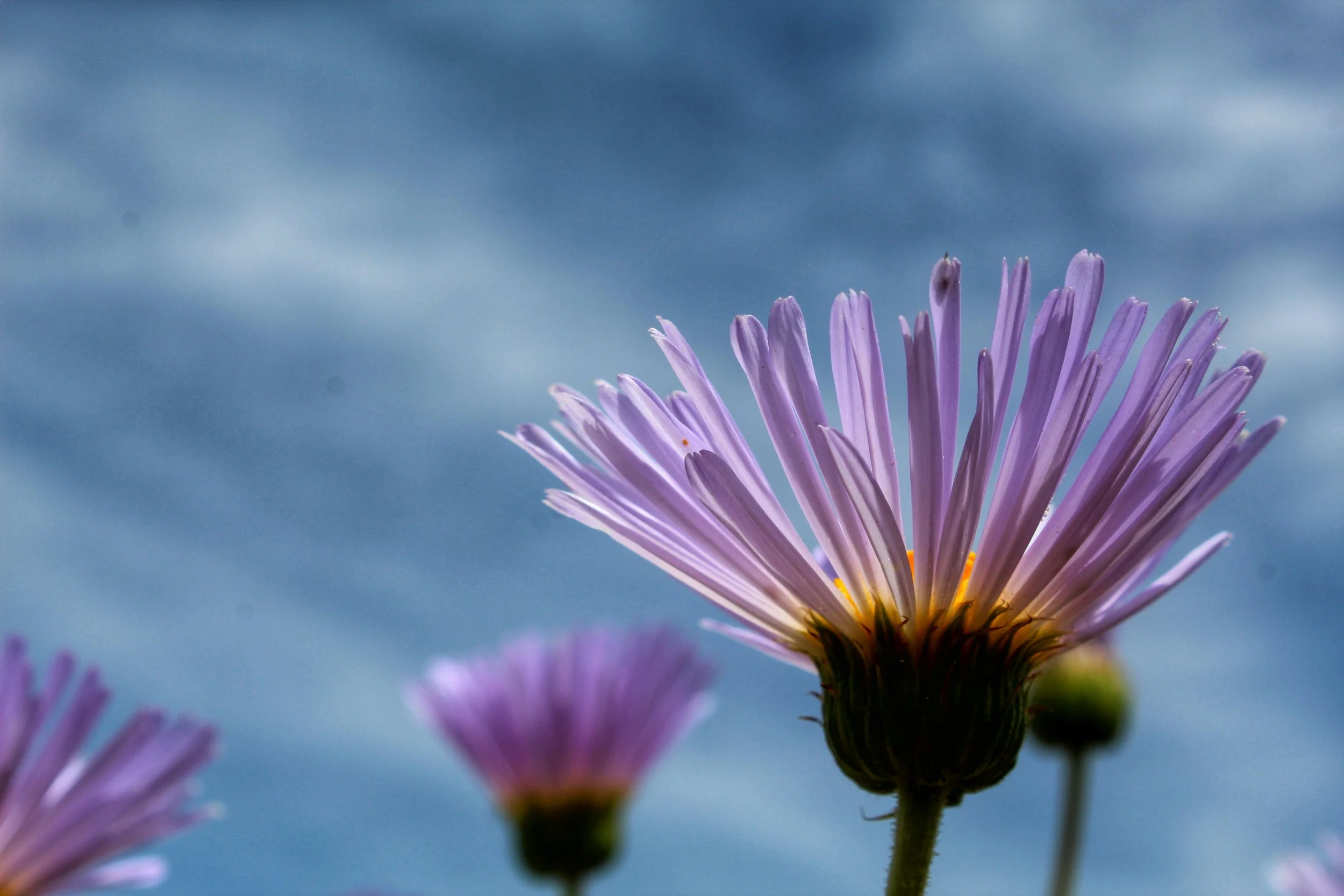
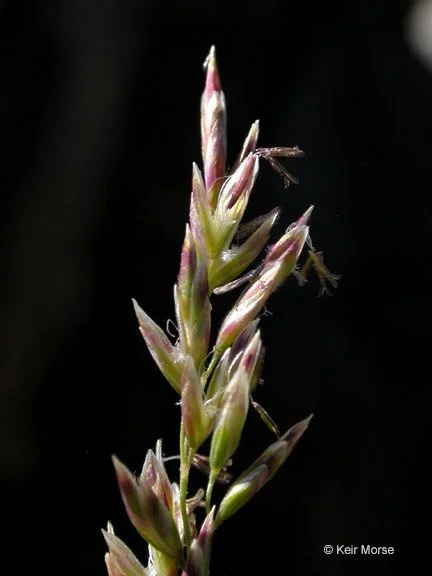
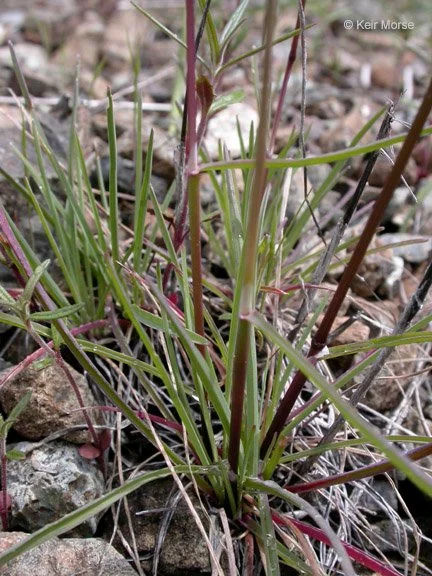
 Image 1 of 3
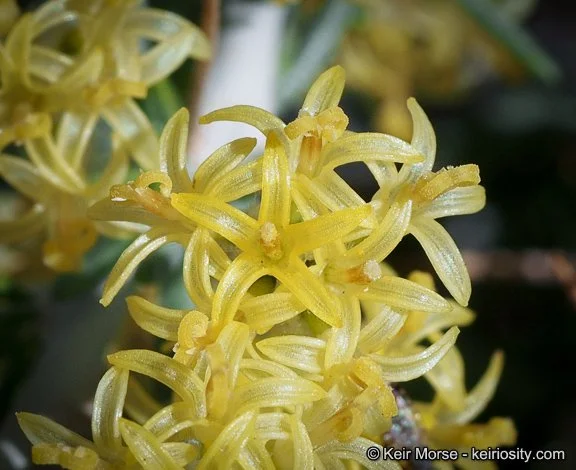 Image 2 of 3
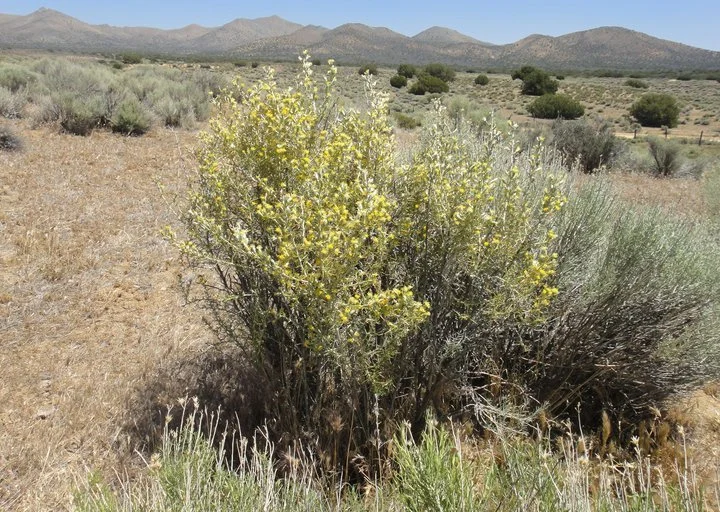 Image 3 of 3
Sold in a 4×6 container.
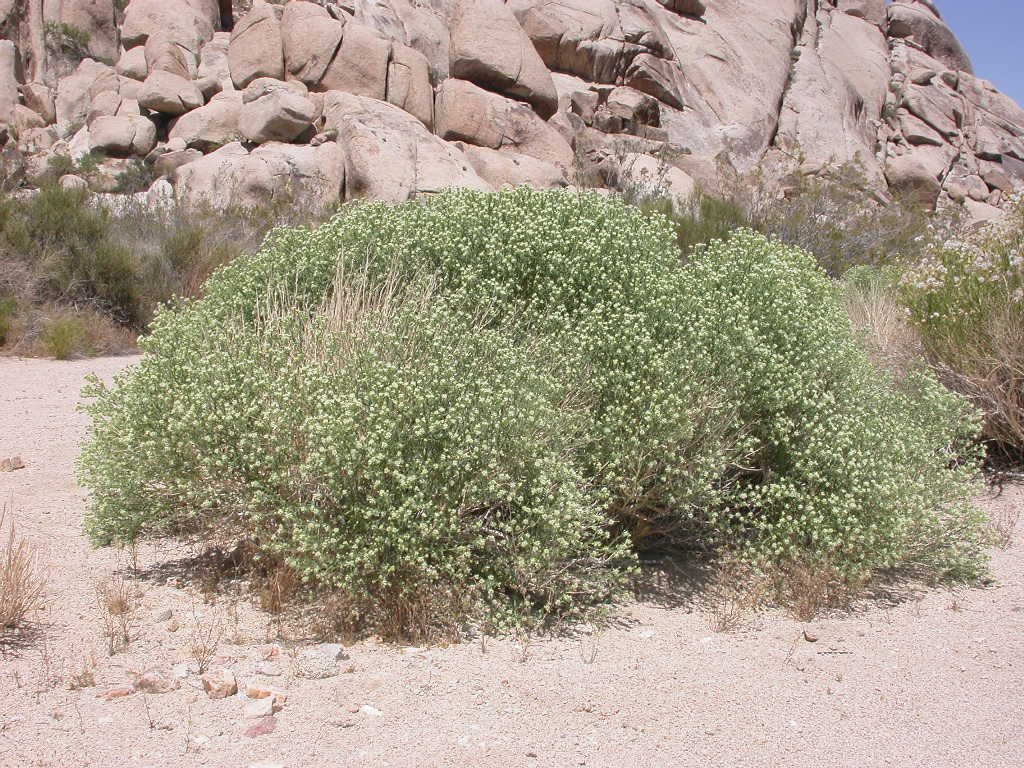
Mature size: 5ft. H x 5 ft. W
Sun exposure: Part to full sun
Soil: Rocky, sandy, gravelly
Water use: Low
Cold hardy to: 0 degrees F
Flowers: Yellow, Green
Native to: California, Arizona, Nevada and Utah
Elevation: 2525 - 7500 feet
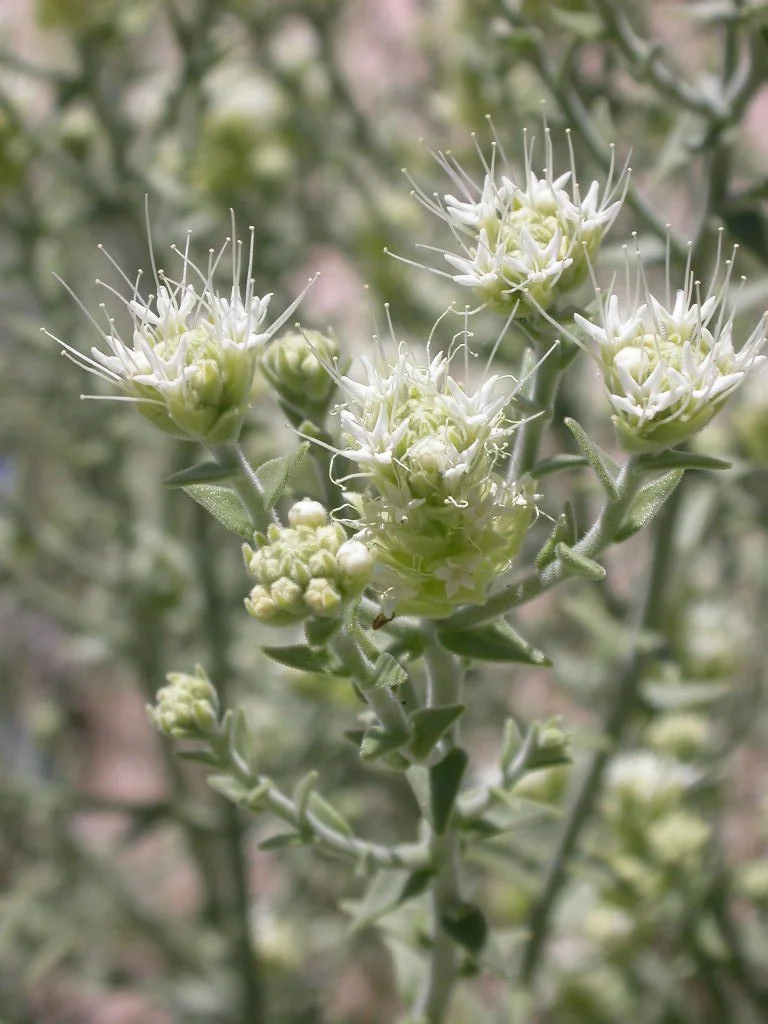
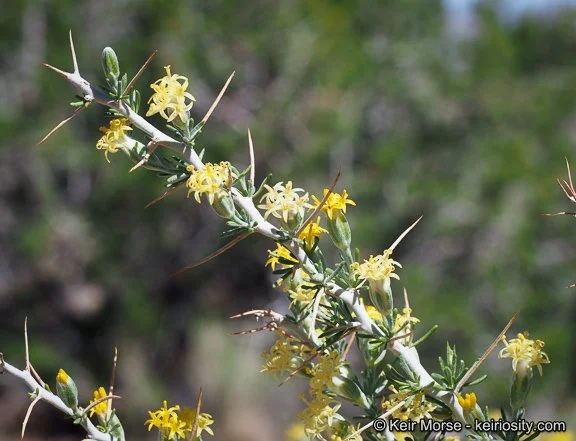
Catclaw horsebrush has gray, pubescent stems with sharp spines. In spring, yellow-green flowers emerge from the leaf axils, followed by fruits bearing a dense, elongated, white pappus, (a characteristic feature of many members of the Aster family).
Catclaw horsebrush can be confused with Mojave cottonthorn due to their similar growth habits and semi-deciduous appearances. With catclaw horsebrush, flowers arise from the axils of the spines, whereas in Mojave cottonthorn, they occur at the ends of the stems.