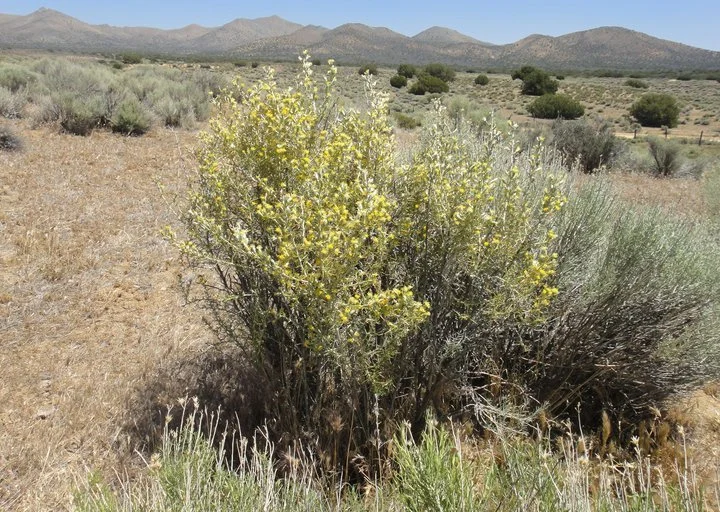
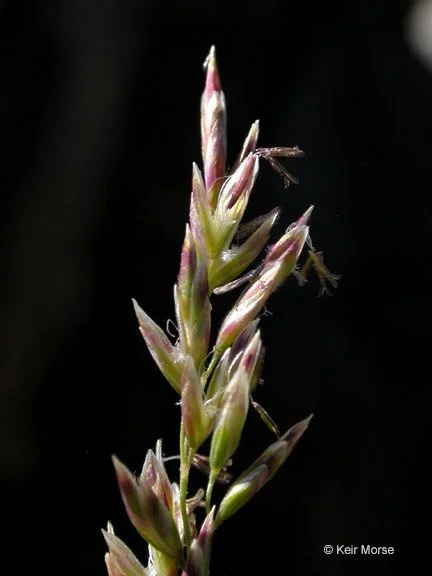
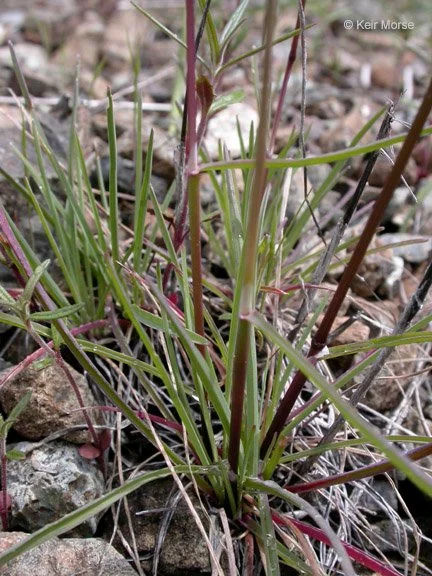
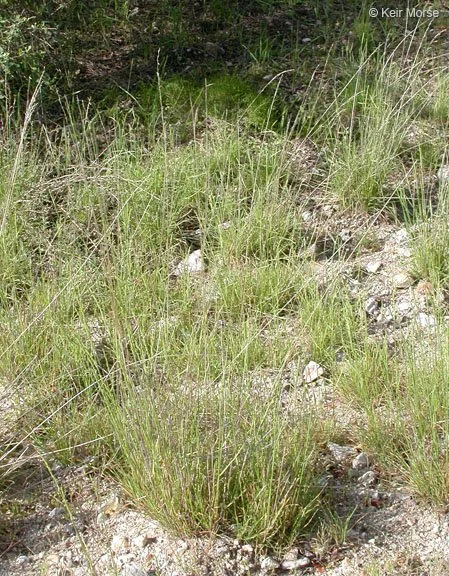
 Image 1 of 2
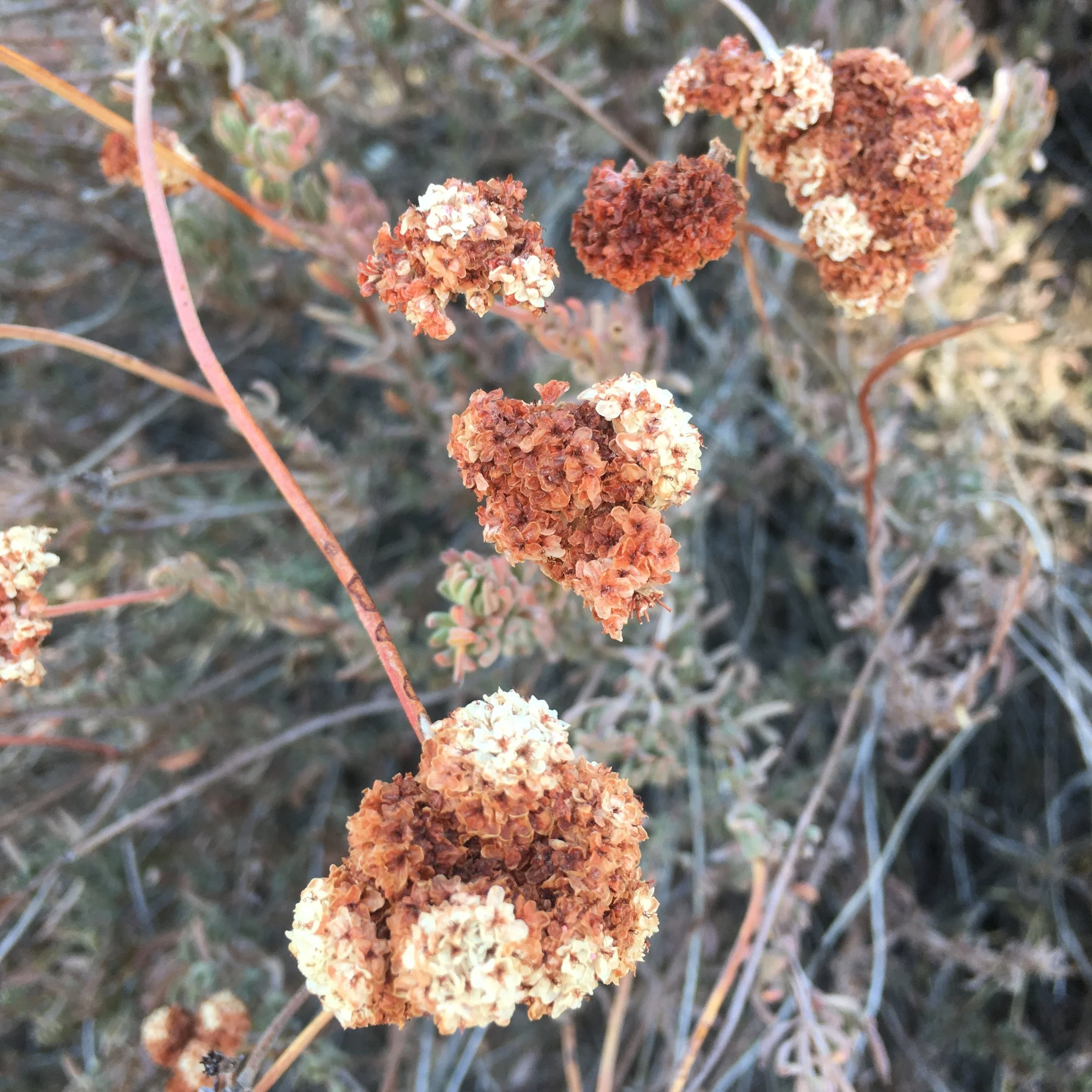 Image 2 of 2
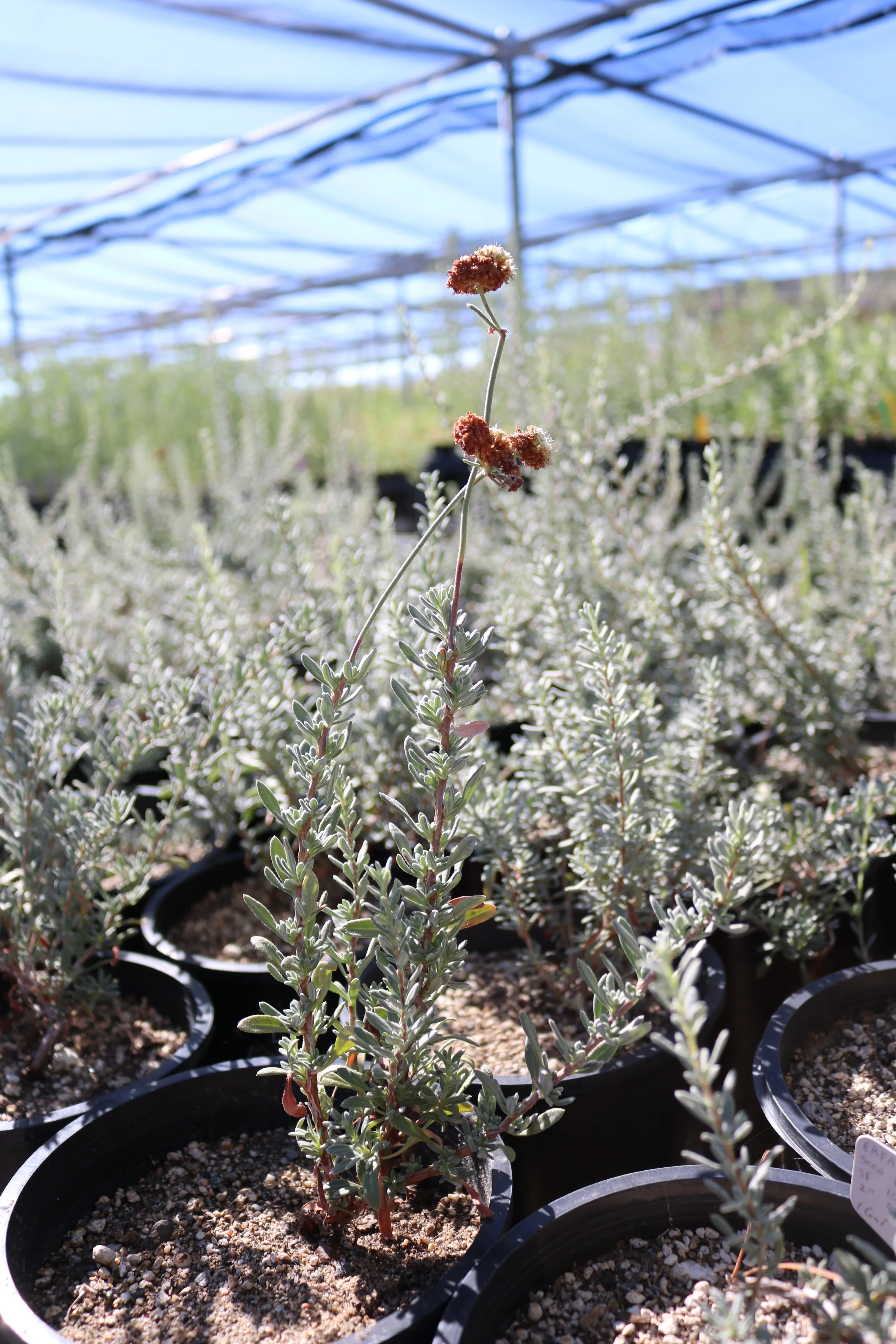
Sold in a 4×6 or 1 gallon container.
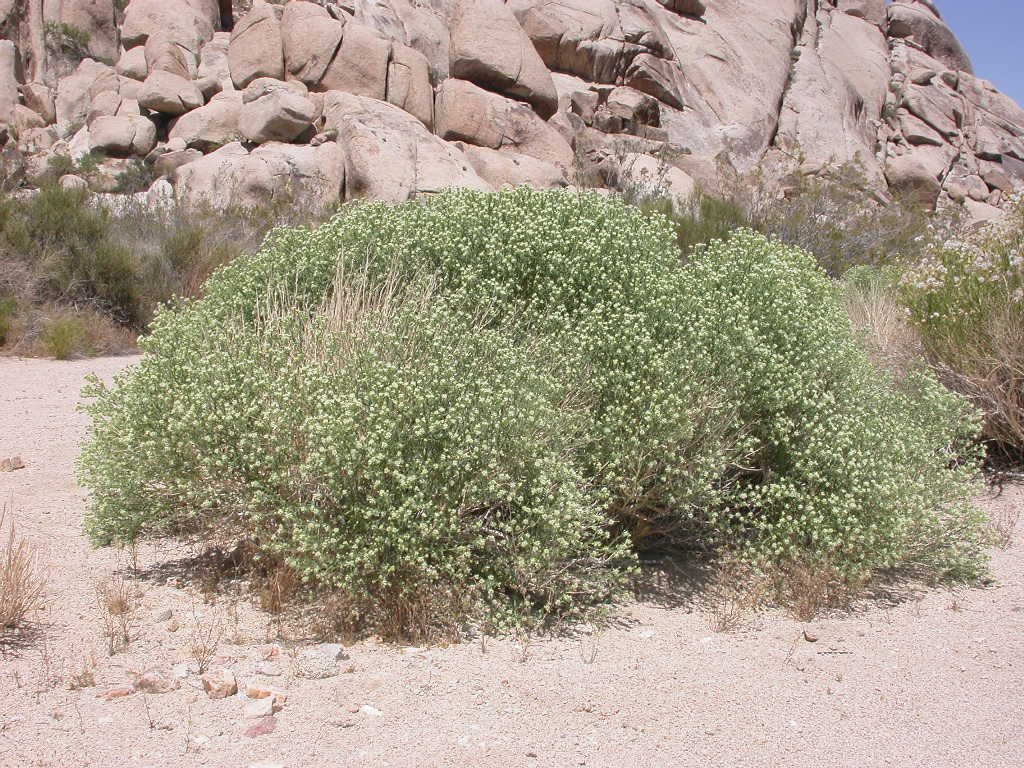
Mature size: 1-3 feet H x 2-4 feet W
Sun exposure: Full sun
Soil: Well-draining
Water use: Very low
Cold hardy to: 10 degrees F
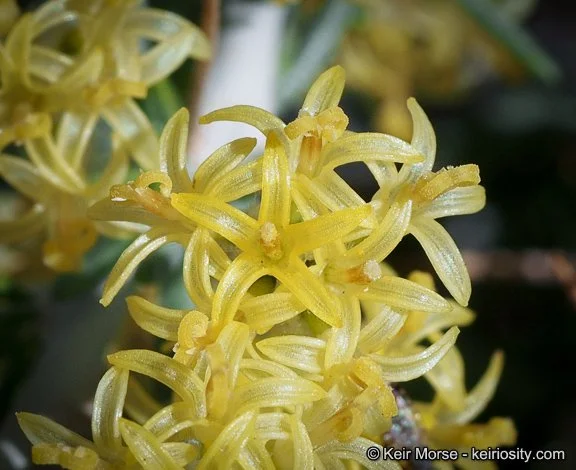
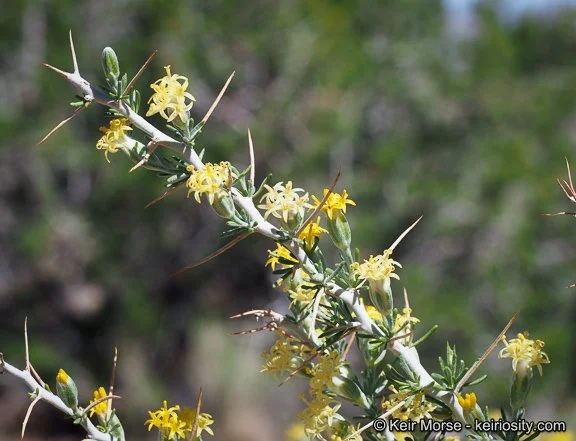
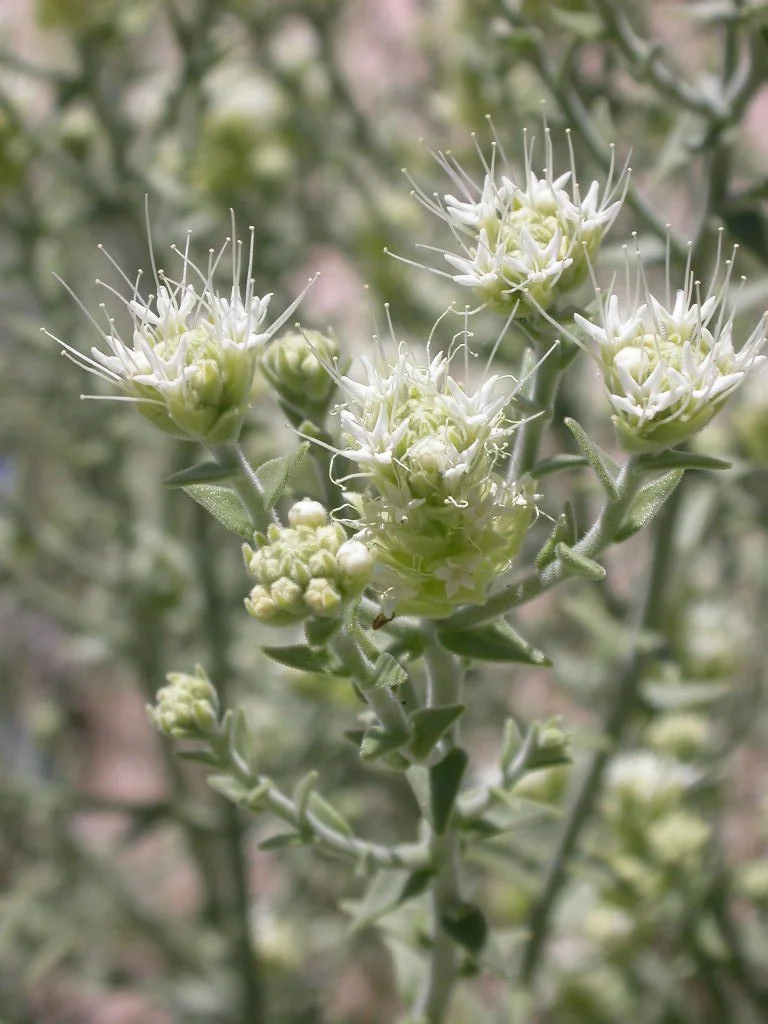
Flowers: White fl owers in spring to rust colored seeds clusters in summer and fall
Native to: Arizona, California, Nevada & Utah
Elevation: 900 - 8,200 feet
California buckwheat (also known as eastern Mojave buckwheat) is a wonderful flowering plant that is an important food source for many butterfly species. This fast growing shrub is excellent for erosion control and habitat planting as it also attracts birds and insects. Buckwheat can be dead-headed, but don’t prune it back into old, dormant wood or the plant may not recover.
Lightly head back in late fall after flowering for denser growth. Buckwheat is native to dry slopes and washes in sagebrush scrub, Joshua tree and pinyon-juniper woodland plant communities from the Mojave Desert to Inyo County to the Sonoran Desert.
There are many different varieties of buckwheat throughout California. It is best to choose species that are native to your local area to avoid hybridization with wild populations.