
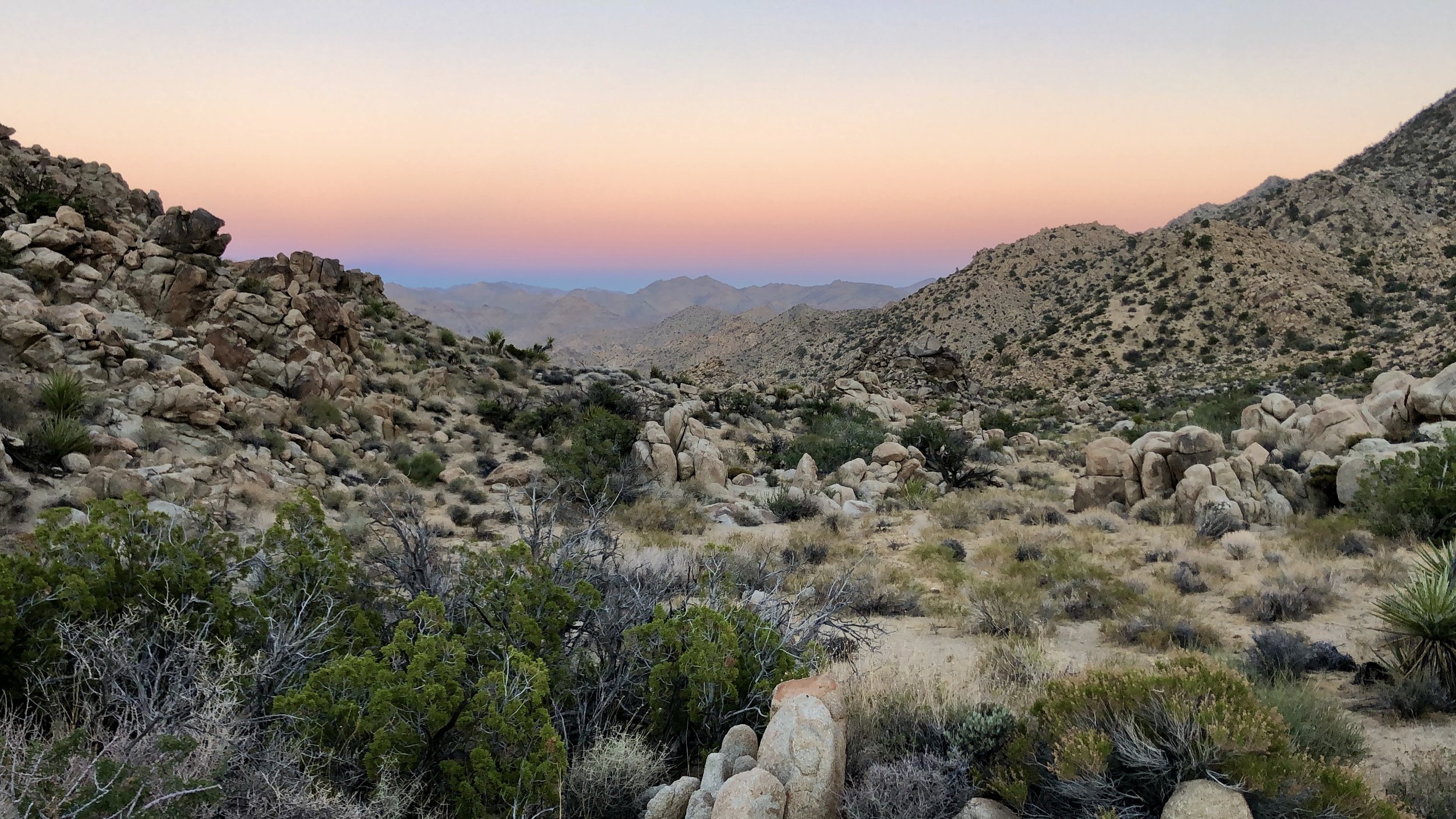

Targeted conservation for the desert tortoise
Desert tortoises are one of the oldest extant species in the United States, having resided in the Mojave Desert for an estimated 15 to 20 million years. In the past century, changes to their habitat from the ongoing threats of urbanization, off-highway vehicle activity, predation, large-scale renewable energy projects, wildfires, and proliferation of invasive species have caused a significant population decline. In 2023 MDLT began work on a three-year restoration project within critical Mojave desert tortoise (Gopherus agassizii) habitat in the Superior-Cronese region near Barstow, California, thanks to generous funding from the National Fish and Wildlife Foundation. This unique project is part of a larger initiative, the Desert Tortoise Recovery Partnership.
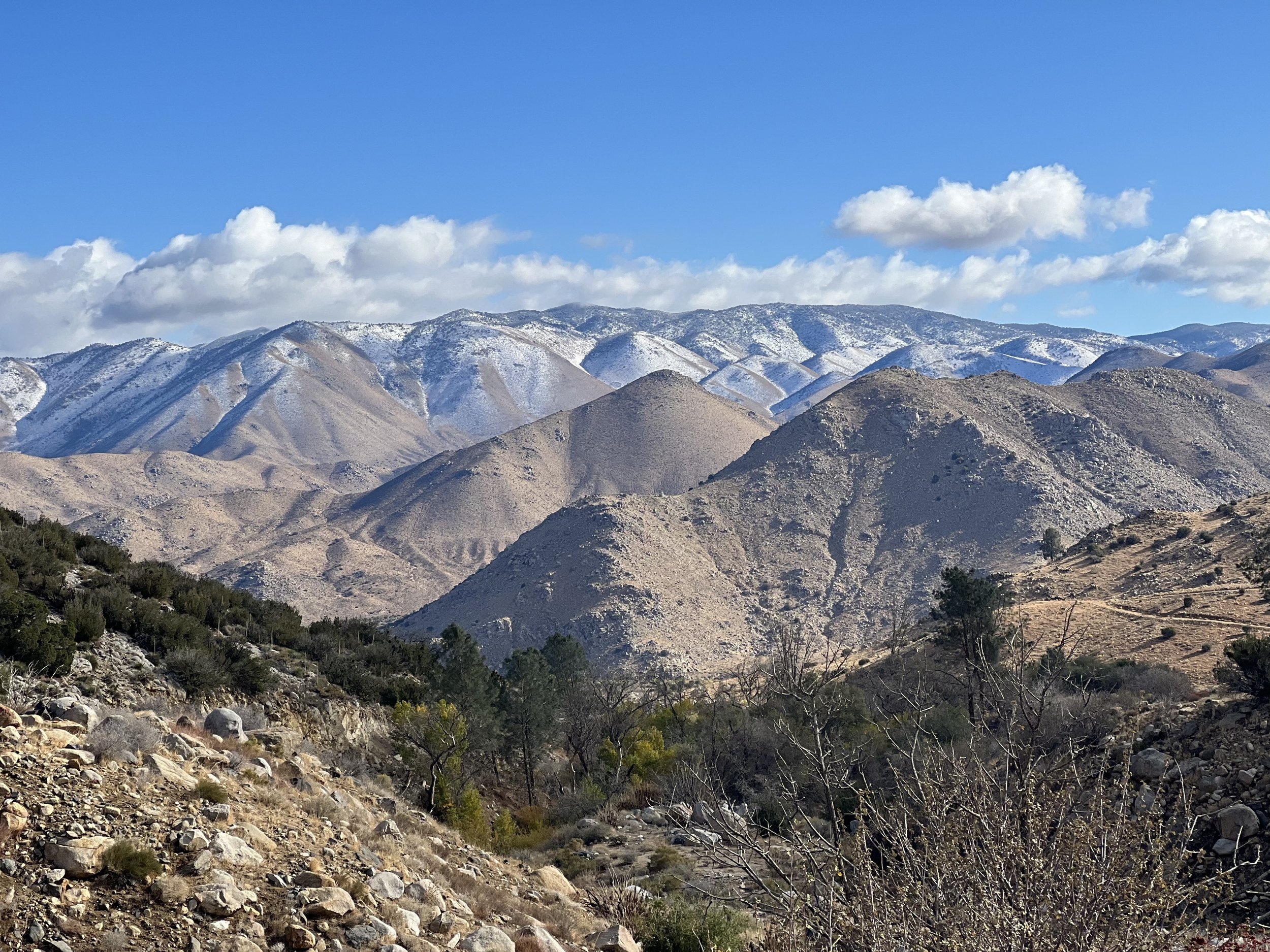
Protecting springs in the driest desert of North America
In the driest desert in North America, seeps and springs percolate in the nooks and crannies where mountain ranges meet. The Mojave Desert Land Trust stewards and protects several springs that have served as vital watering holes and homelands for animals and humans alike. Take an interactive look inside these Desert Springs properties in our new storymap.

Caliente Creek: community-centered conservation
Tucked in between multiple mountain ranges hundreds of miles from MDLT headquarters, Caliente Creek may seem far removed from the iconic Joshua trees, creosote, and ocotillo of California’s deserts. But Caliente Creek is a connective thread that ties together plant and animal communities from across California. The Sierra Nevada, Mojave Desert, San Joaquin Valley, and Southern California ecosystems all converge here.
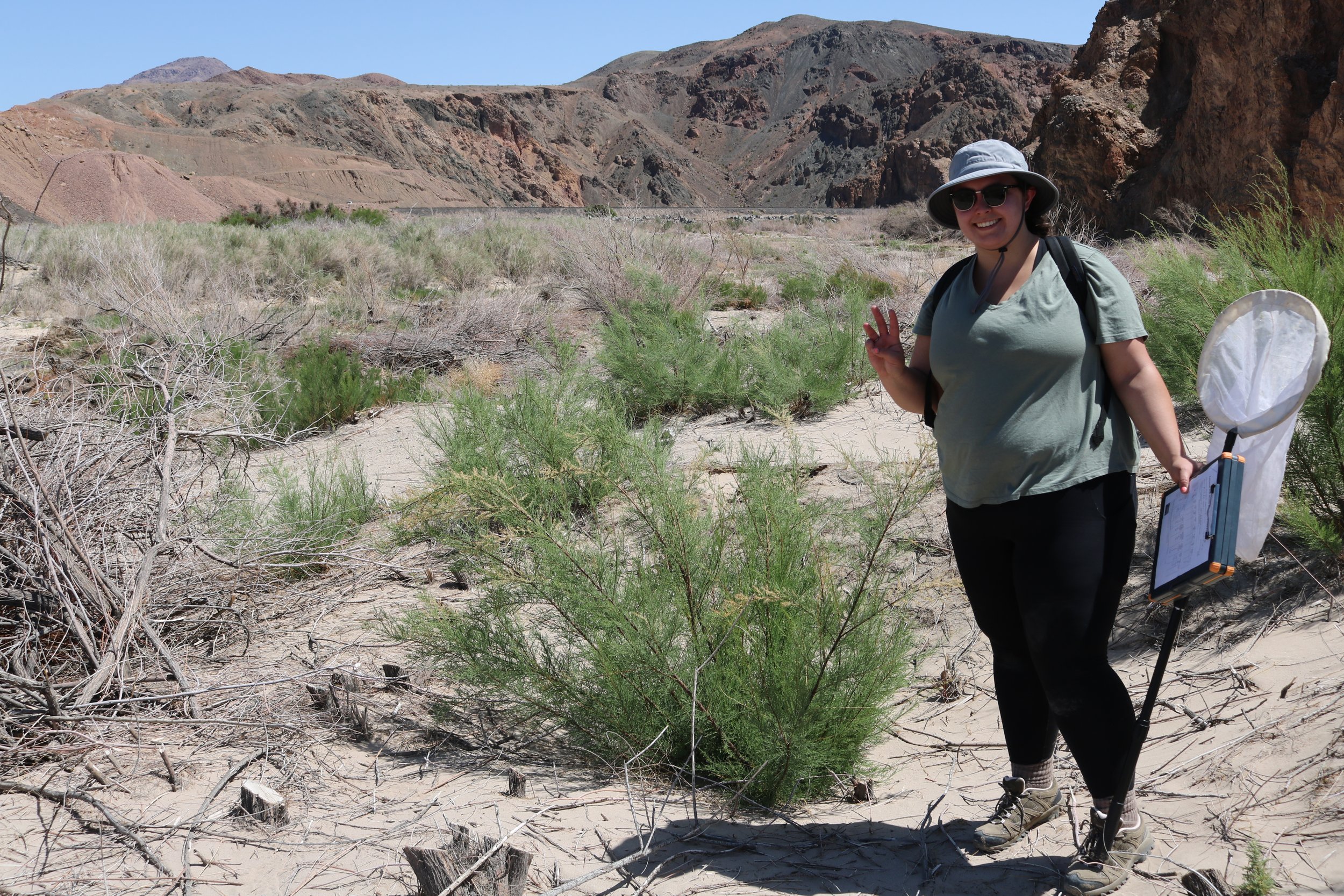
Data highlights tamarisk beetle populations within Mojave Trails National Monument
Over four years, interns with the Women In Science Discovering Our Mojave program returned to five data points within Mojave Trails National Monument to study the presence of the tamarisk beetle (Diorhabda spp.), introduced as a biocontrol against invasive tamarisk trees. Data collected illustrates that the tamarisk populations have changed dramatically during that time.
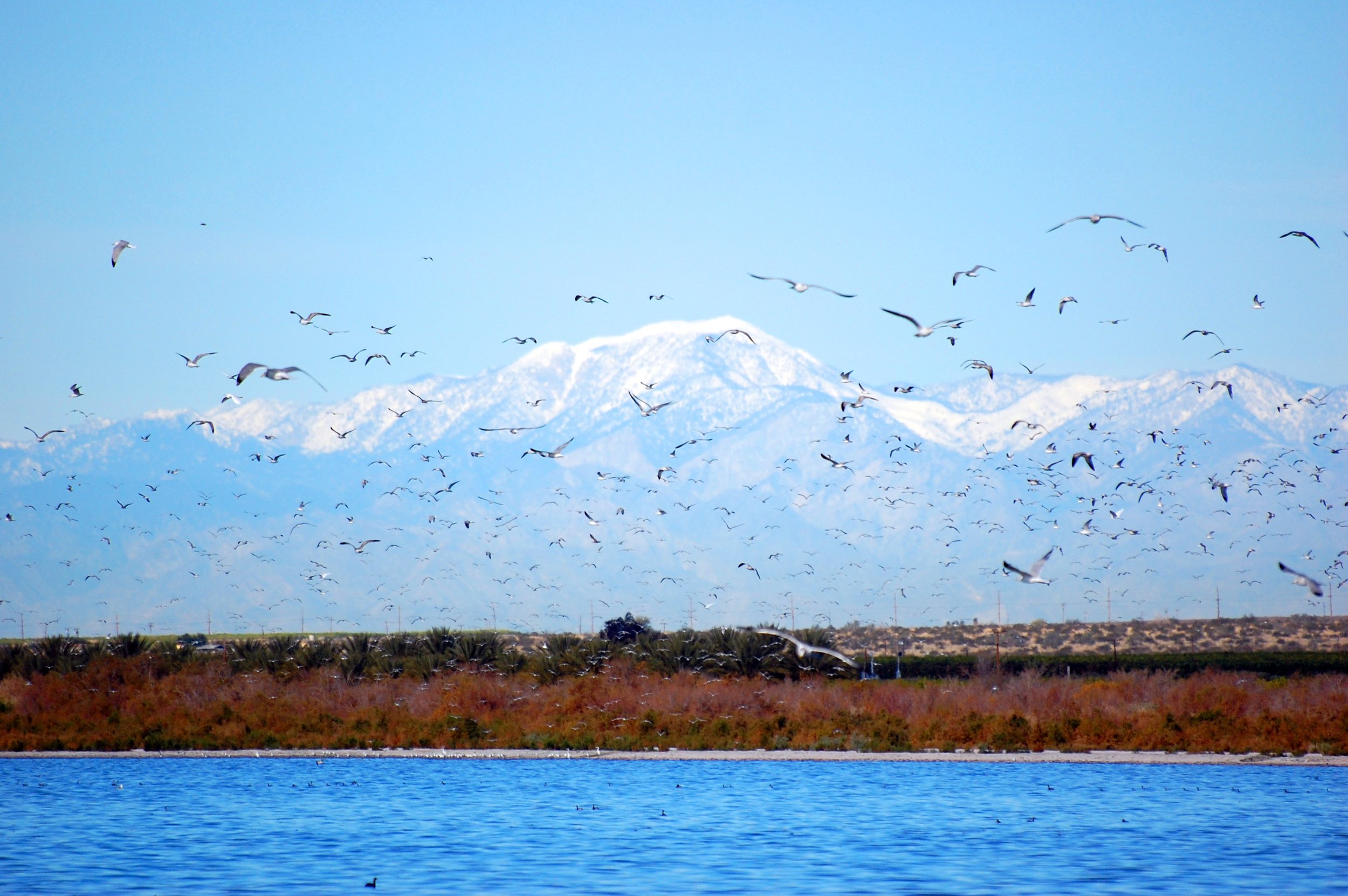
Protecting the Pacific Flyway
The Pacific Flyway is a flight path for migratory birds that originates in Alaska and ends in Patagonia, South America, passing through California along the way. It is a valuable route for birdlife, shown through the volume of birds passing through each year - around one billion altogether!
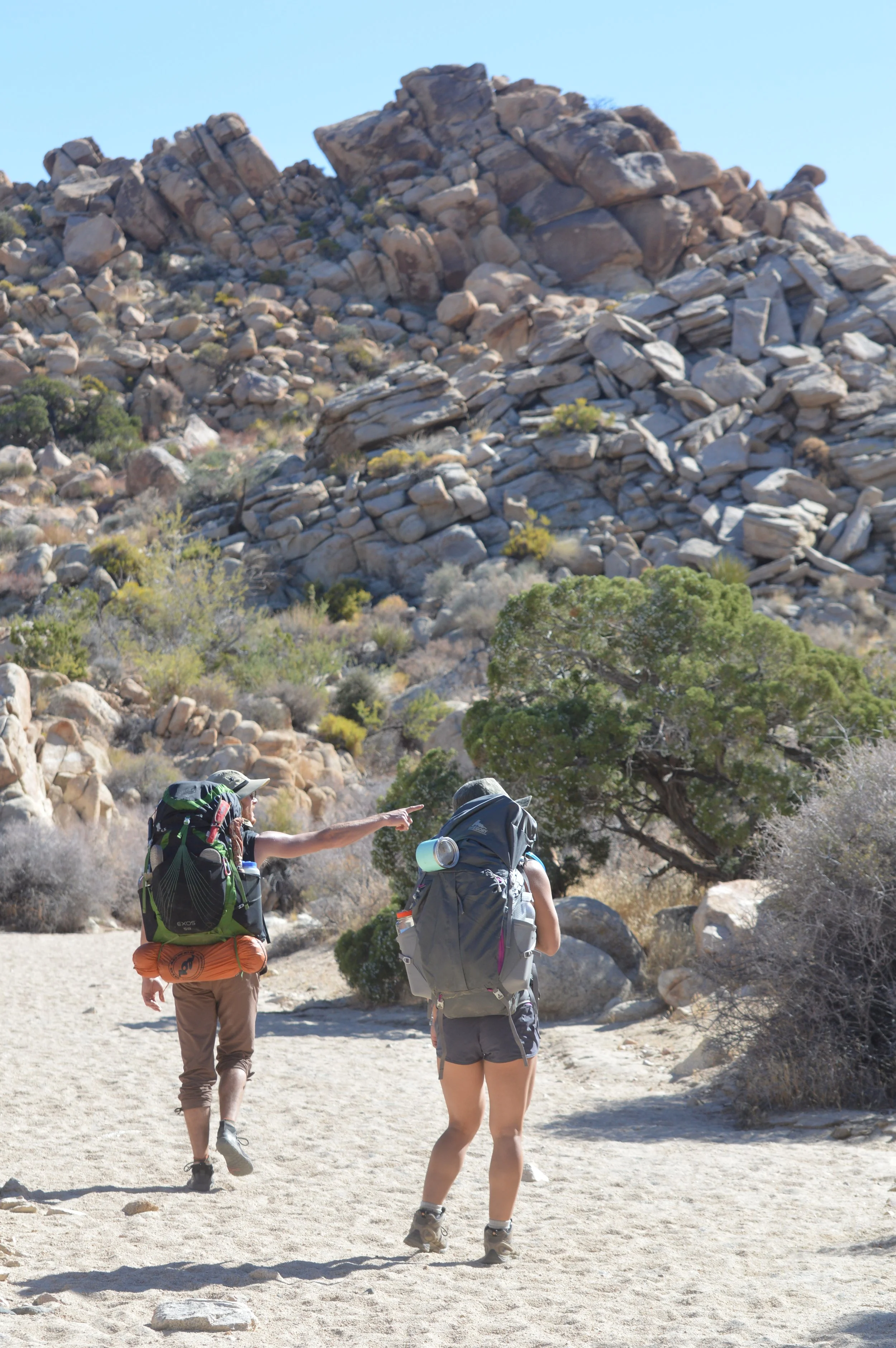
Visiting Joshua Tree: a desert dweller’s guide
About three million people visit Joshua Tree National Park each year, and it’s the eighth-most visited U.S. national park overall. If you’re one of the many curious explorers coming to Joshua Tree this popular fall, winter, or spring season, it’s smart to first familiarize yourself with the sensitive desert landscape.
As a nonprofit located in Joshua Tree — and stewards and experts of the California desert ecosystem — Mojave Desert Land Trust recommends the following for a safe and sustainable trip.
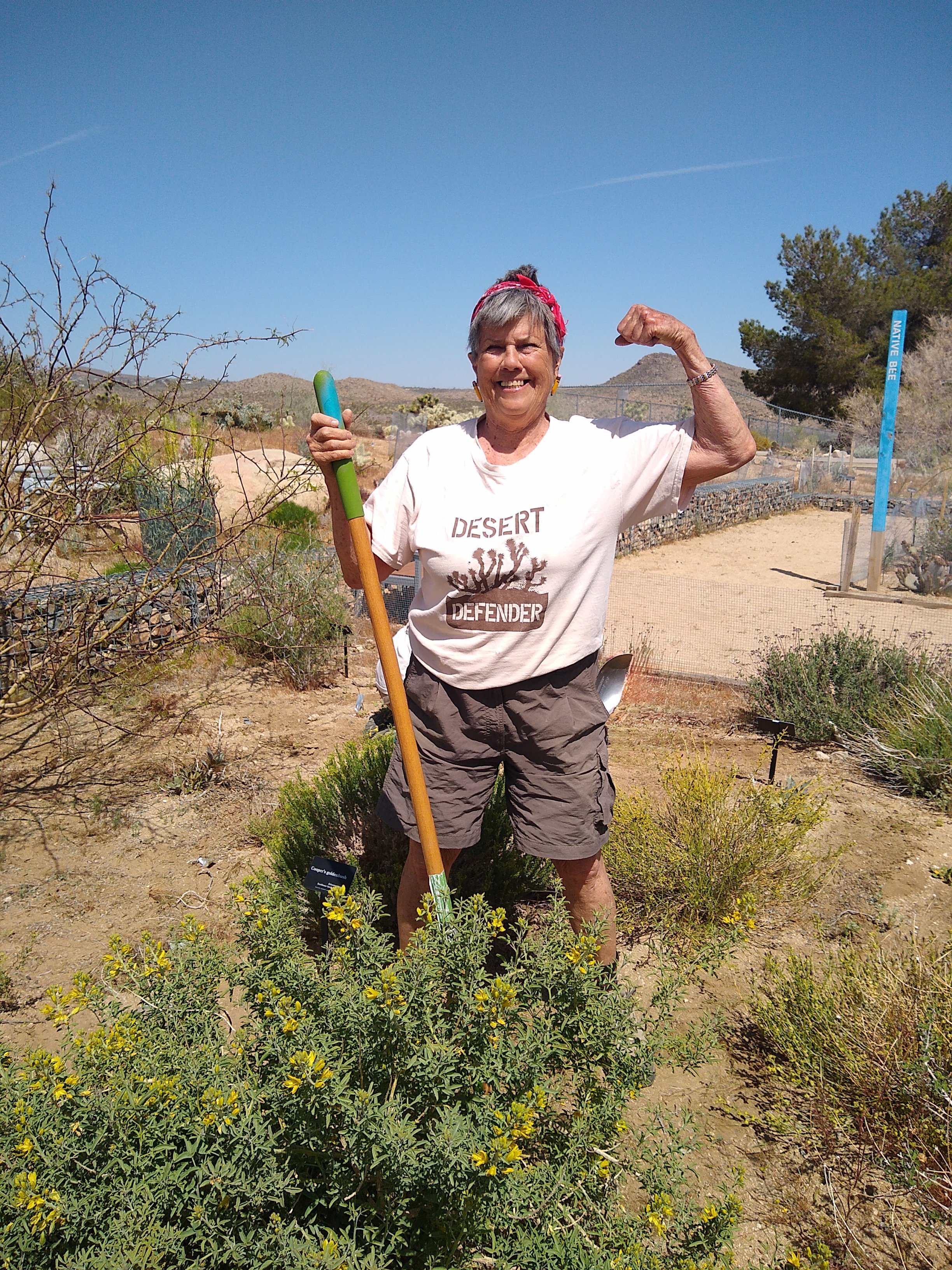
Why I’m donating my estate
Donor Relations Manager Kellie Flint sat down with volunteer and donor Patty Domay to find out how she fell in love with the desert and why she's decided to join the Mojave Desert Land Trust's planned giving society, the Desert Stars.