Data highlights tamarisk beetle populations within Mojave Trails National Monument
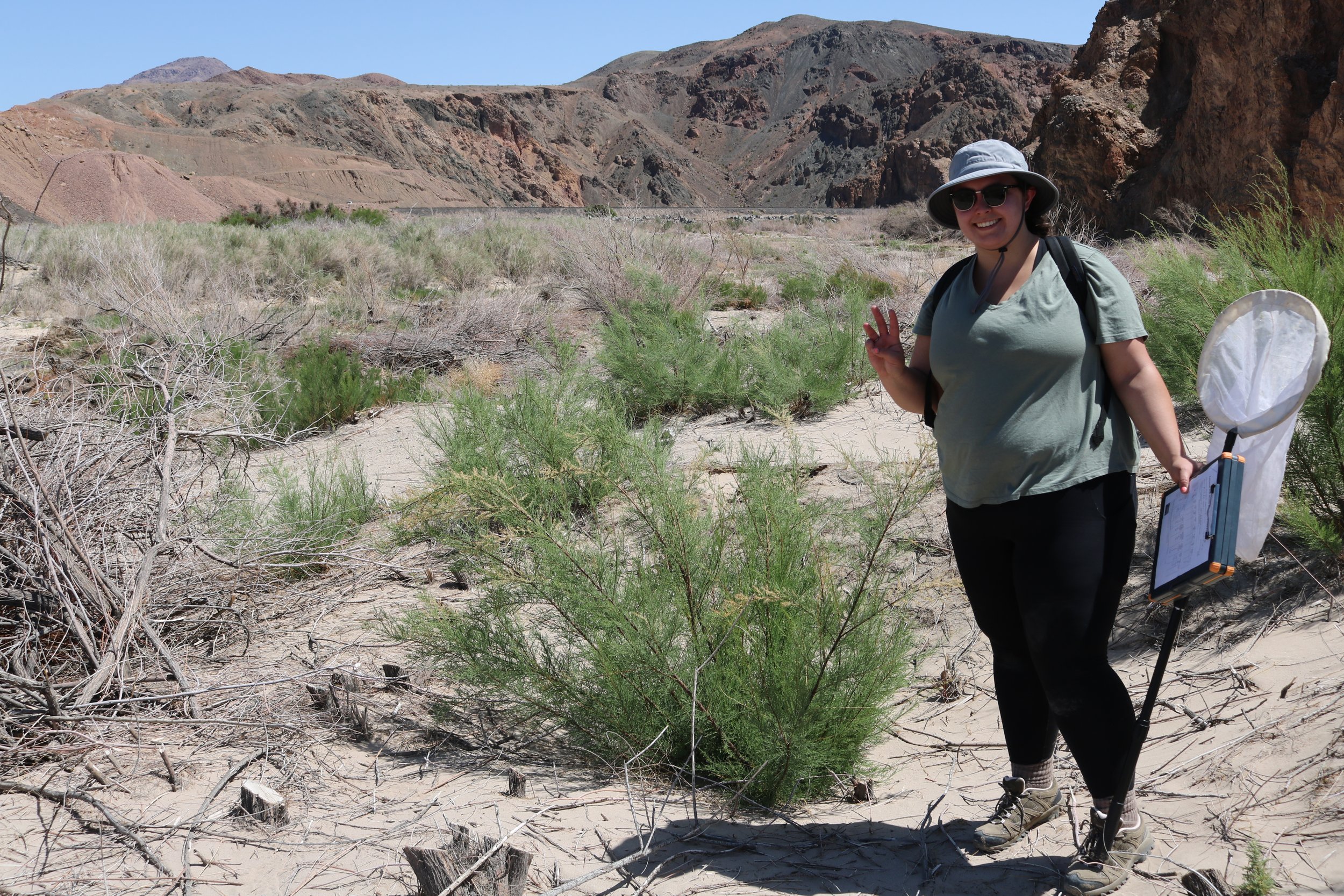
Over four years, interns with the Women In Science Discovering Our Mojave program returned to five data points within Mojave Trails National Monument to study the presence of the tamarisk beetle (Diorhabda spp.), introduced as a biocontrol against invasive tamarisk trees. Data collected illustrates that the tamarisk populations have changed dramatically during that time.
Protecting the Pacific Flyway
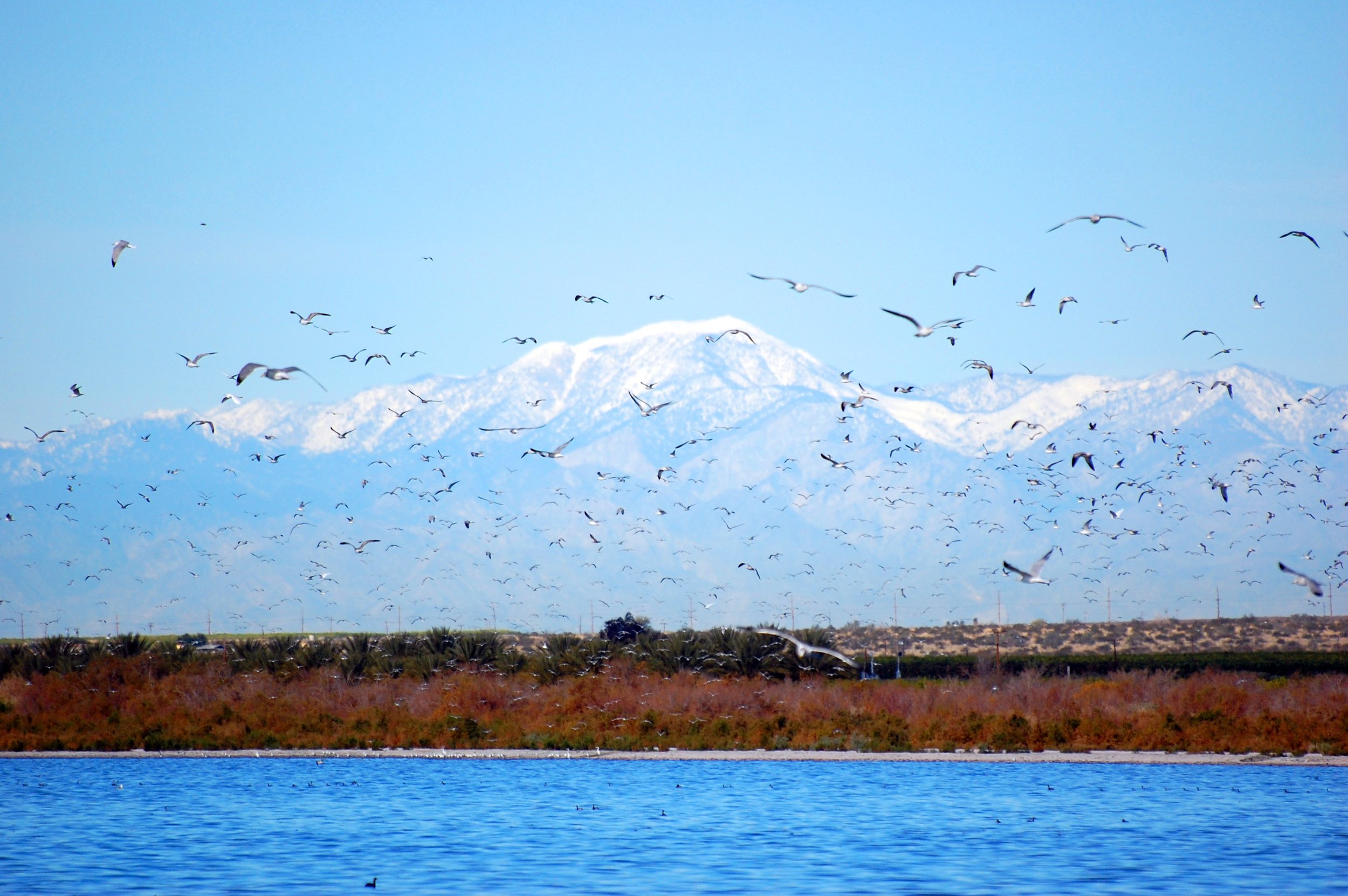
The Pacific Flyway is a flight path for migratory birds that originates in Alaska and ends in Patagonia, South America, passing through California along the way. It is a valuable route for birdlife, shown through the volume of birds passing through each year - around one billion altogether!
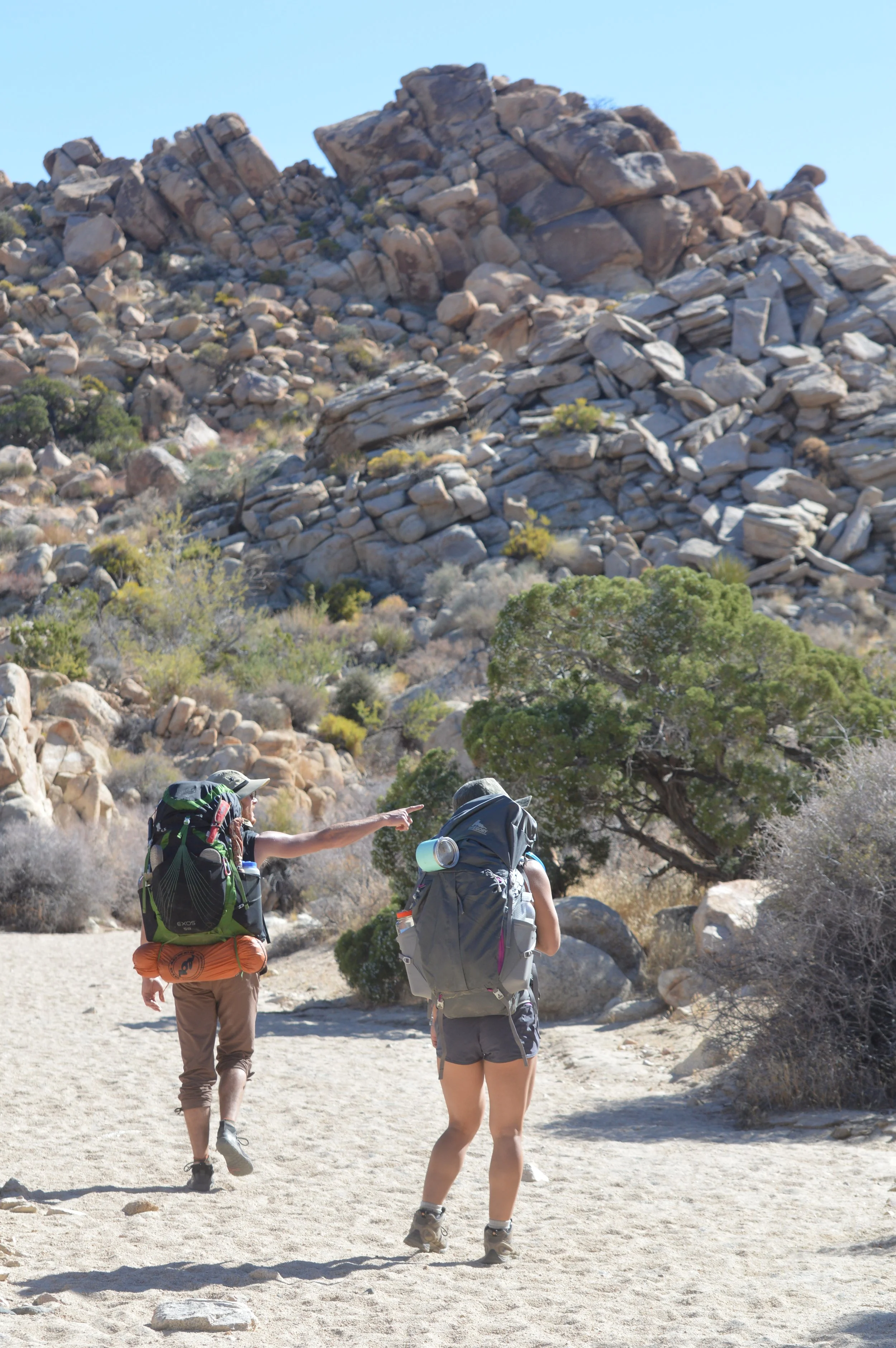
Visiting Joshua Tree: a desert dweller’s guide
About three million people visit Joshua Tree National Park each year, and it’s the eighth-most visited U.S. national park overall. If you’re one of the many curious explorers coming to Joshua Tree this popular fall, winter, or spring season, it’s smart to first familiarize yourself with the sensitive desert landscape.
As a nonprofit located in Joshua Tree — and stewards and experts of the California desert ecosystem — Mojave Desert Land Trust recommends the following for a safe and sustainable trip.
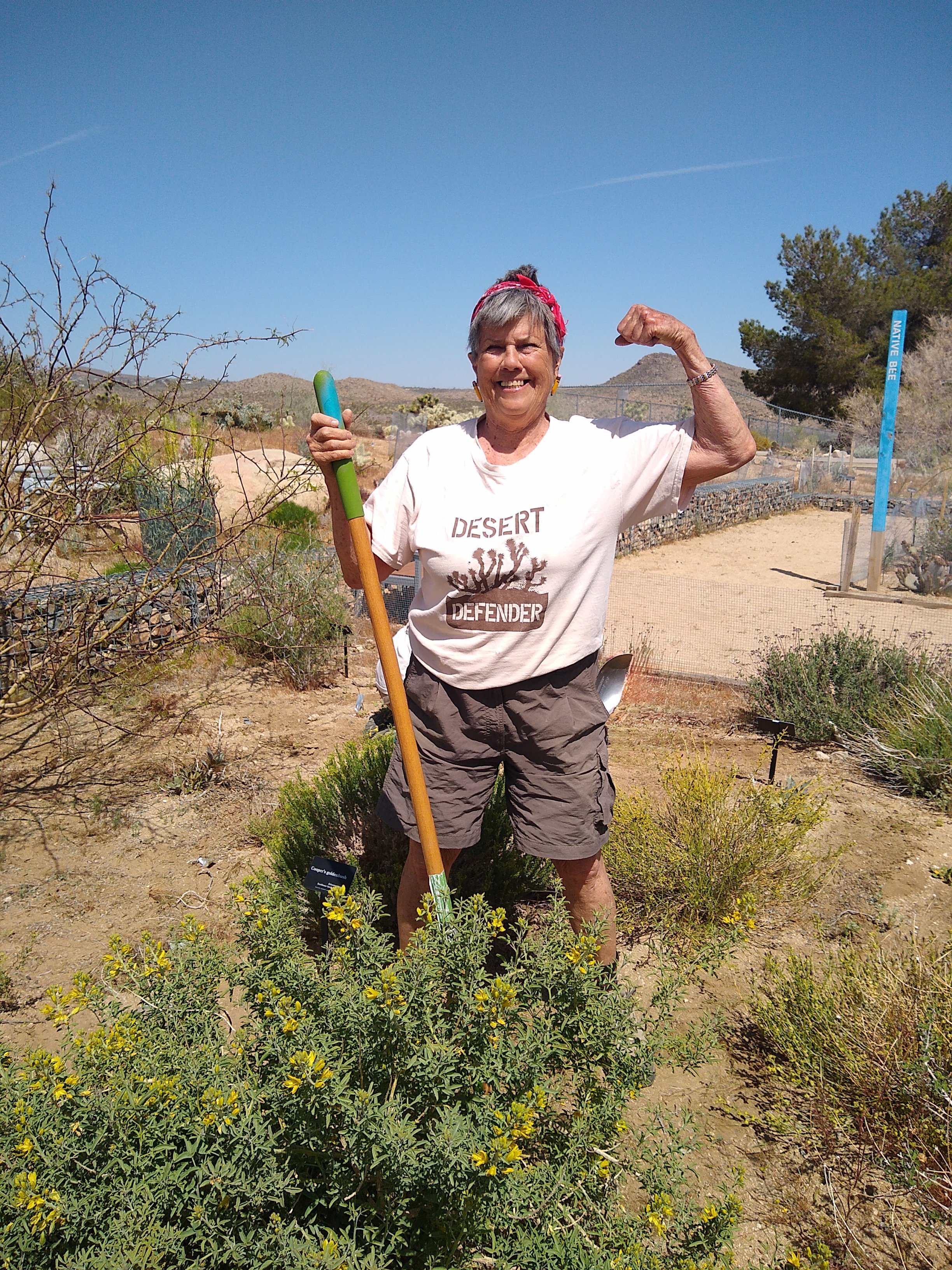
Why I’m donating my estate
Donor Relations Manager Kellie Flint sat down with volunteer and donor Patty Domay to find out how she fell in love with the desert and why she's decided to join the Mojave Desert Land Trust's planned giving society, the Desert Stars.

We get by with a little help from our friends
We get by with a little help from our friends – AmeriCorps, that is. Twice in 2023, AmeriCorps National Civilian Conservation Corps (NCCC teams) assisted the Mojave Desert Land Trust with crucial habitat restoration and construction projects for our plant conservation department. Under wide desert skies, the volunteers – some fresh out of high school – aided some of MDLT’s most vital projects and properties, ranging from the remote Desert Springs in Kern County to our very own front door in Joshua Tree.
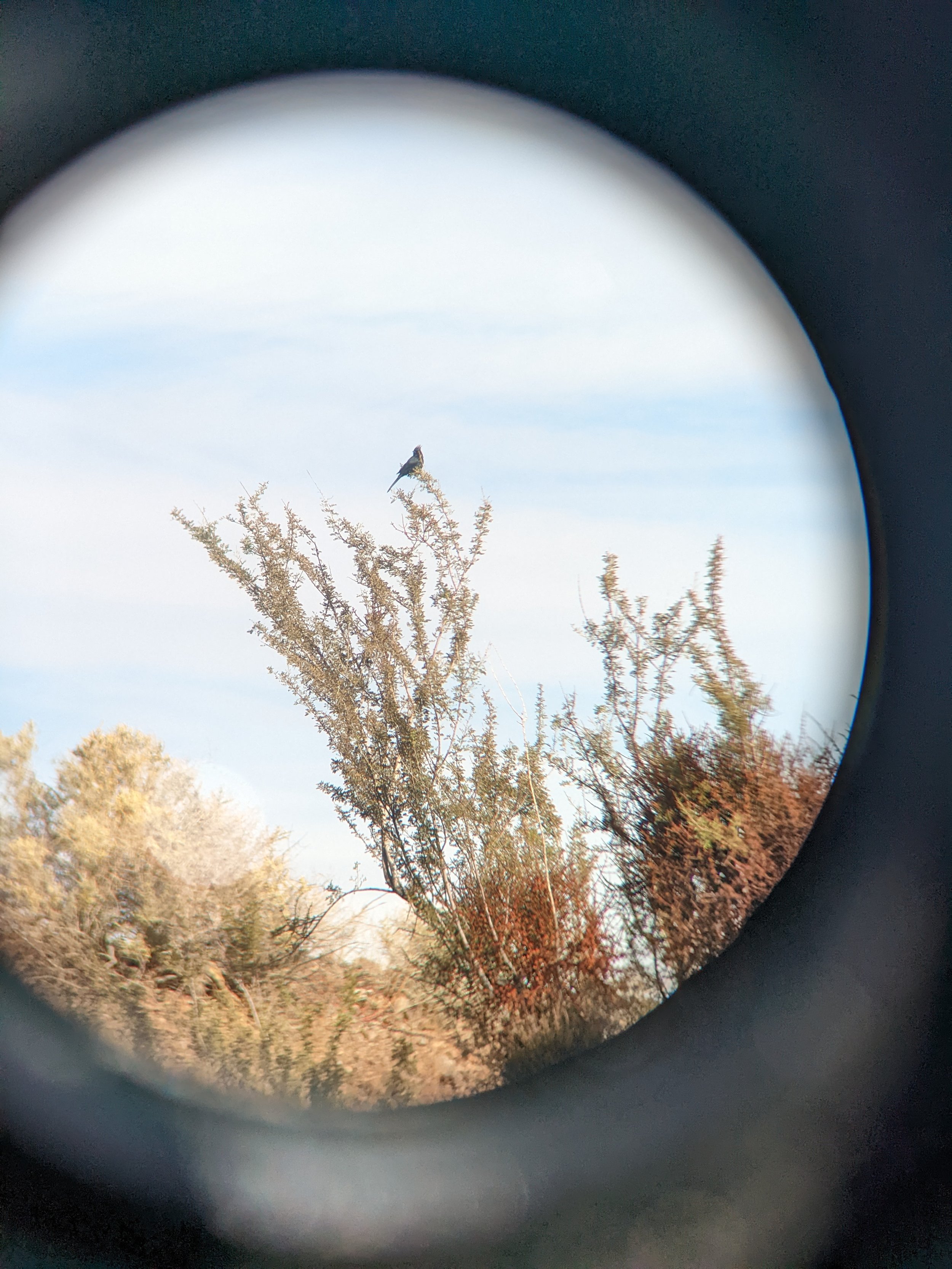
Data provides rare insights into Mojave summer birds, bees
New data collected by interns offers rare insights into the summer bird populations at two oases in the Mojave Desert. Interns with the Women In Science Discovering Our Mojave (WISDOM) program visited Arrowweed and Bonanza springs over a six-month period to study birds and bumble bees. The community science data collected by the interns is the first of its kind at these two oases.
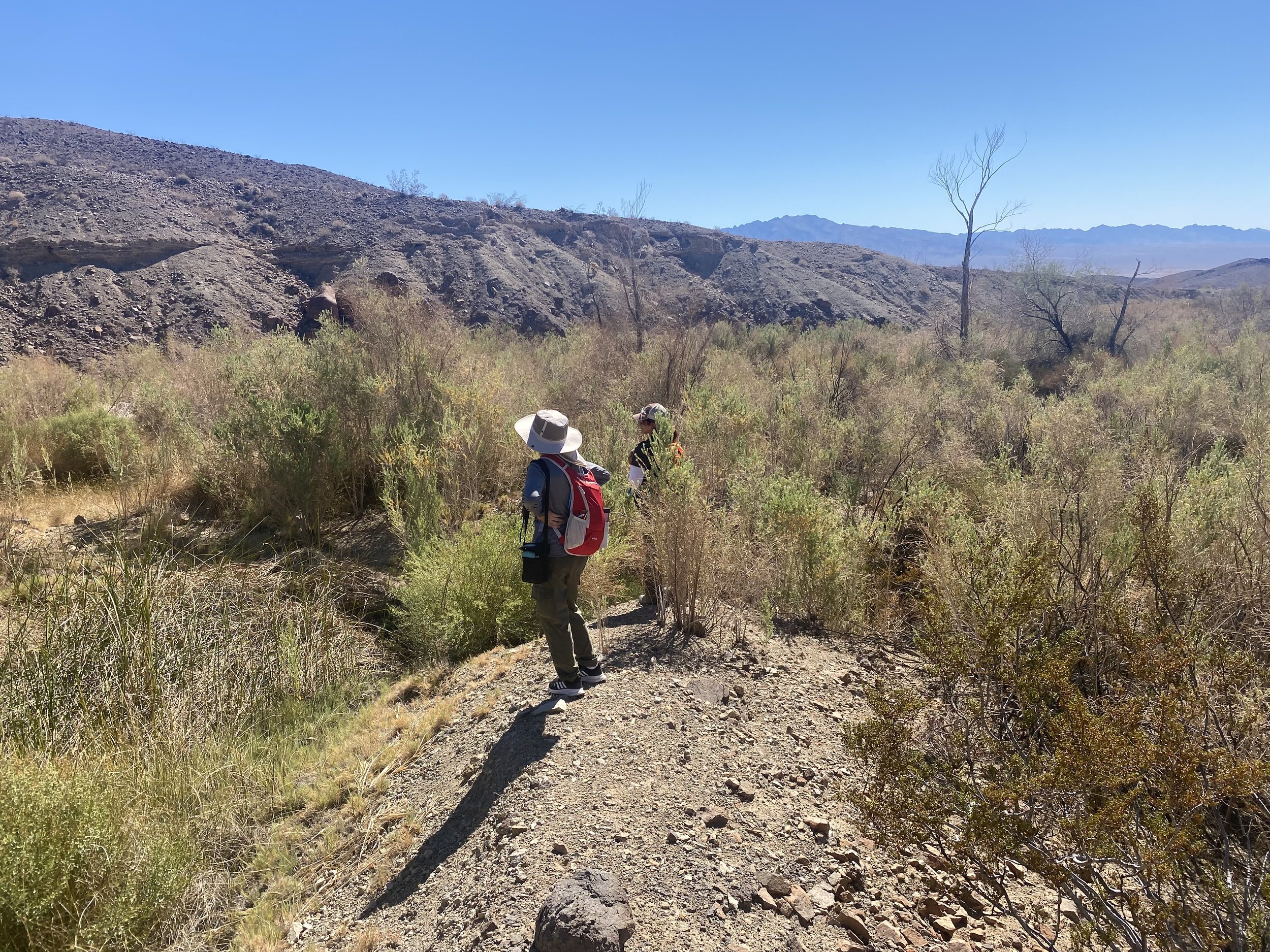
Understanding a Mojave Desert oasis
Bonanza Spring is the largest freshwater spring in the southeastern Mojave Desert. From its 2,105 feet elevation in the low foothills of the Clipper Mountains, the spring’s freshwater is derived from a groundwater basin source. Women In Science Discovering Our Mojave (WISDOM) interns studied avian and bumble bee populations at Bonanza Spring in Mojave Trails National Monument between September 2022 and February 2023. This article explores the spring’s flora and fauna, and data collected by the interns.