
2025 ANNUAL REPORT
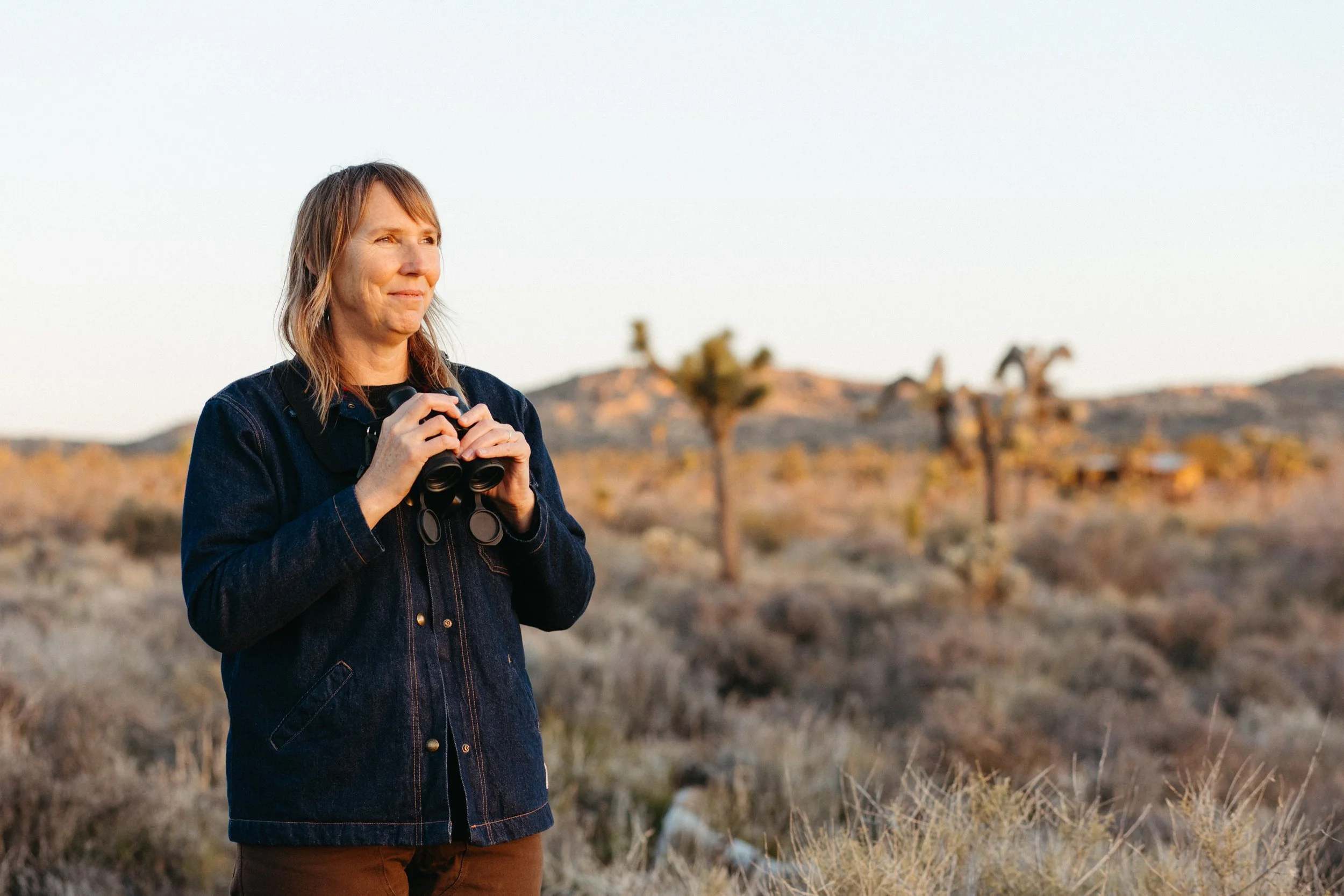
Dear Friends,
This year marked a defining moment for our organization and for the environment we work to protect. In a time of profound uncertainty, we choose hope, clarity, and vision. In our 19th year, we updated our mission statement to reaffirm our commitment to desert conservation while expanding our vision to meet this moment and the future we’re striving to secure.
“We protect the California desert as a living, interconnected landscape where people and nature thrive together.”
Our mission now more explicitly centers landscape-scale conservation and affirms what we have long known: people are part of nature, not separate from it.
These landscapes are vast, interconnected systems that stretch beyond boundaries. Protecting them requires bold, strategic action at scale. This year, we developed a suite of Conservation Priority Zones to guide proactive protection for decades to come. We also launched a program to deepen partnerships with tribal communities that are rooted in respect and shared stewardship.
Yet this was also a year of unprecedented challenge. With nearly 80% of the California desert managed by the federal government, proposals to undermine national parks, national monuments, and Bureau of Land Management lands posed a direct threat to the landscapes we cherish. We responded alongside a statewide coalition by organizing, informing, and rallying support. Together, we helped ensure our public lands were not sold for development. In a year of uncertainty, collective action made a difference.
Even amid these challenges, we achieved historic progress. We permanently protected more than 6,000 acres of desert landscapes. We made over 100 seed collections for conservation and grew 10,245 plants to restore our home ecosystem.
As we start our 20th year as a land trust, I’m reflecting on how far we’ve come—from a small group of volunteer community members fighting to protect the natural Joshua Tree landscapes, to a team of 37 impassioned and dedicated staff working to support an extraordinary ecosystem that spans a quarter of our state. This is what our new era looks like: brave, collaborative, and grounded in science and community.
Pressures on the desert are real and growing. But so is our resolve. Your support fuels the protection of landscapes, the defense of public lands, and the partnerships that ensure enduring conservation. Join us in achieving this new mission and step fully into this new era of fierce hope and bold action.
Together, we will not only defend the California desert, we will shape its future.
With gratitude and determination,
Kelly Herbinson
Executive Director

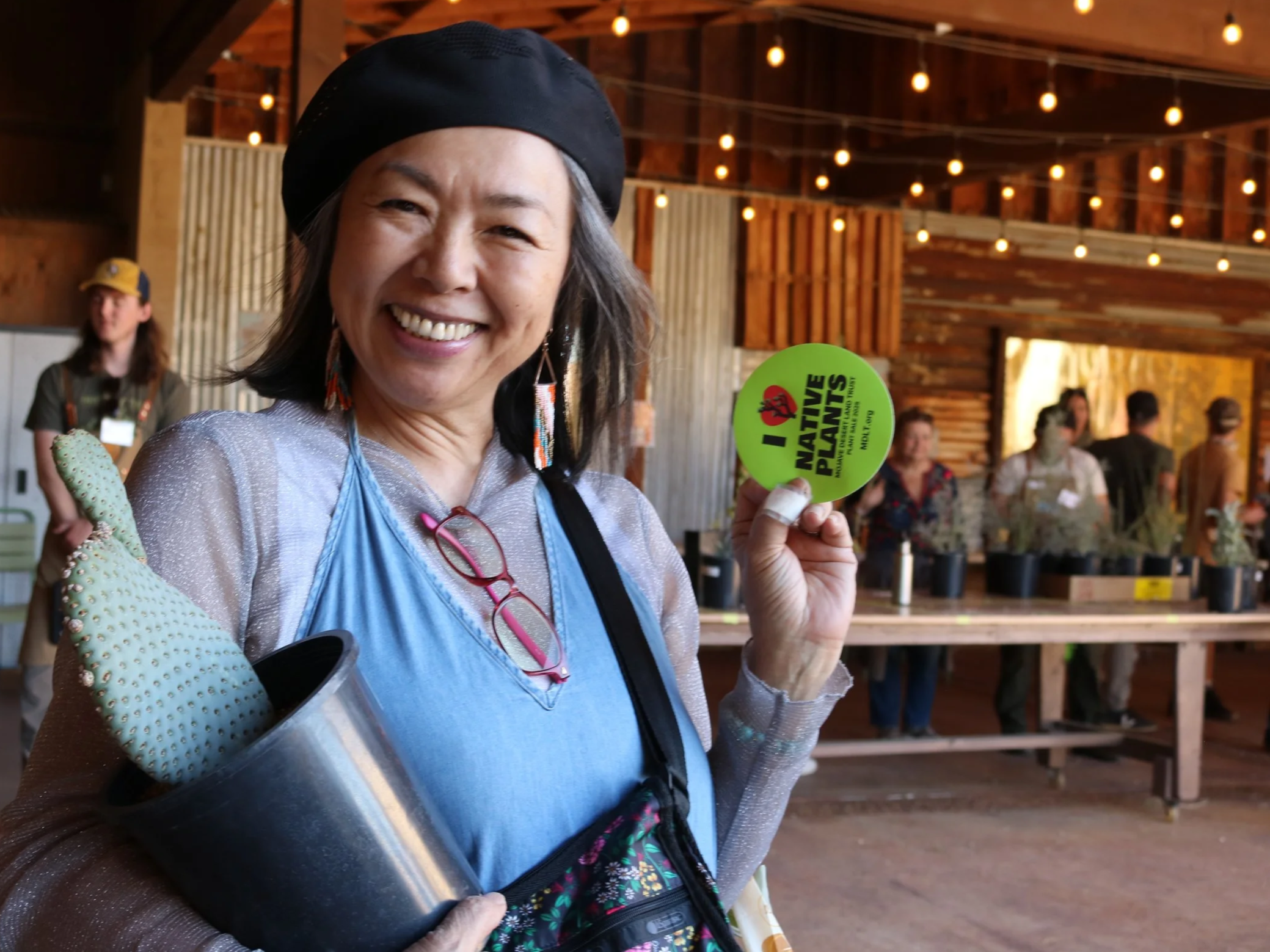
Your support helps us keep going.
2025 conservation snapshot
-

6,066 acres protected
-
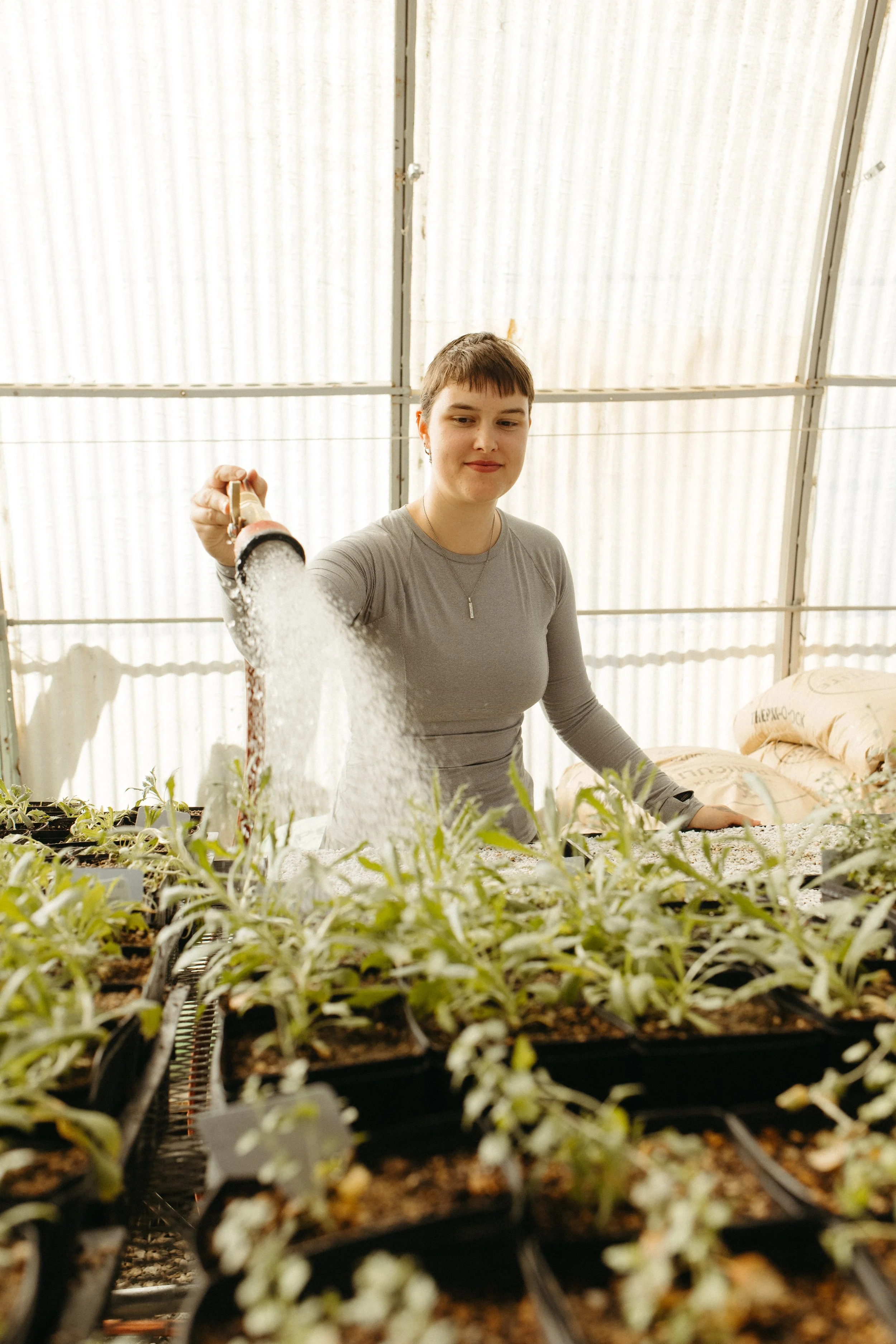
10,245 native plants grown
-
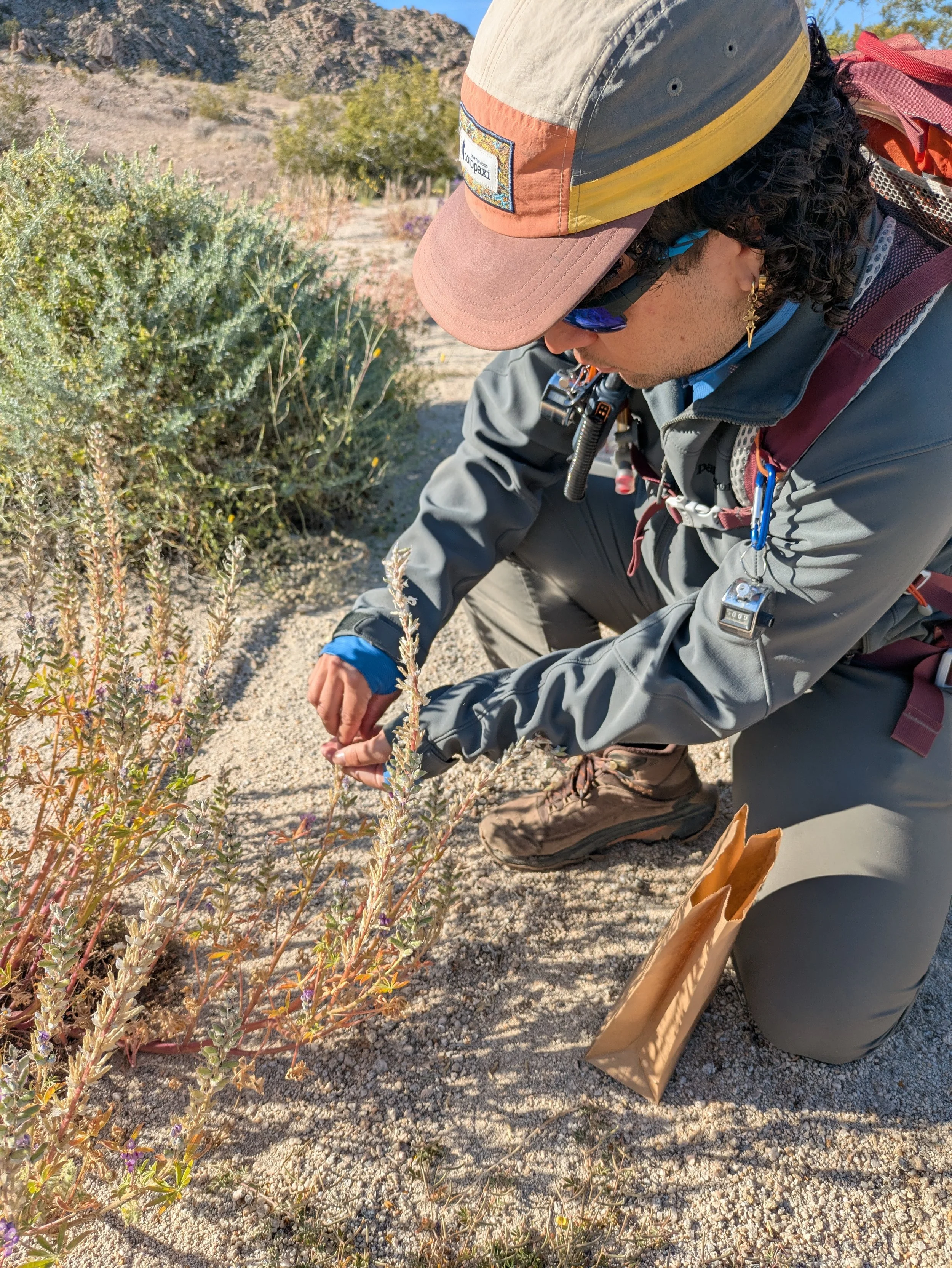
65 new taxa added to the Mojave Desert Seed Bank
-
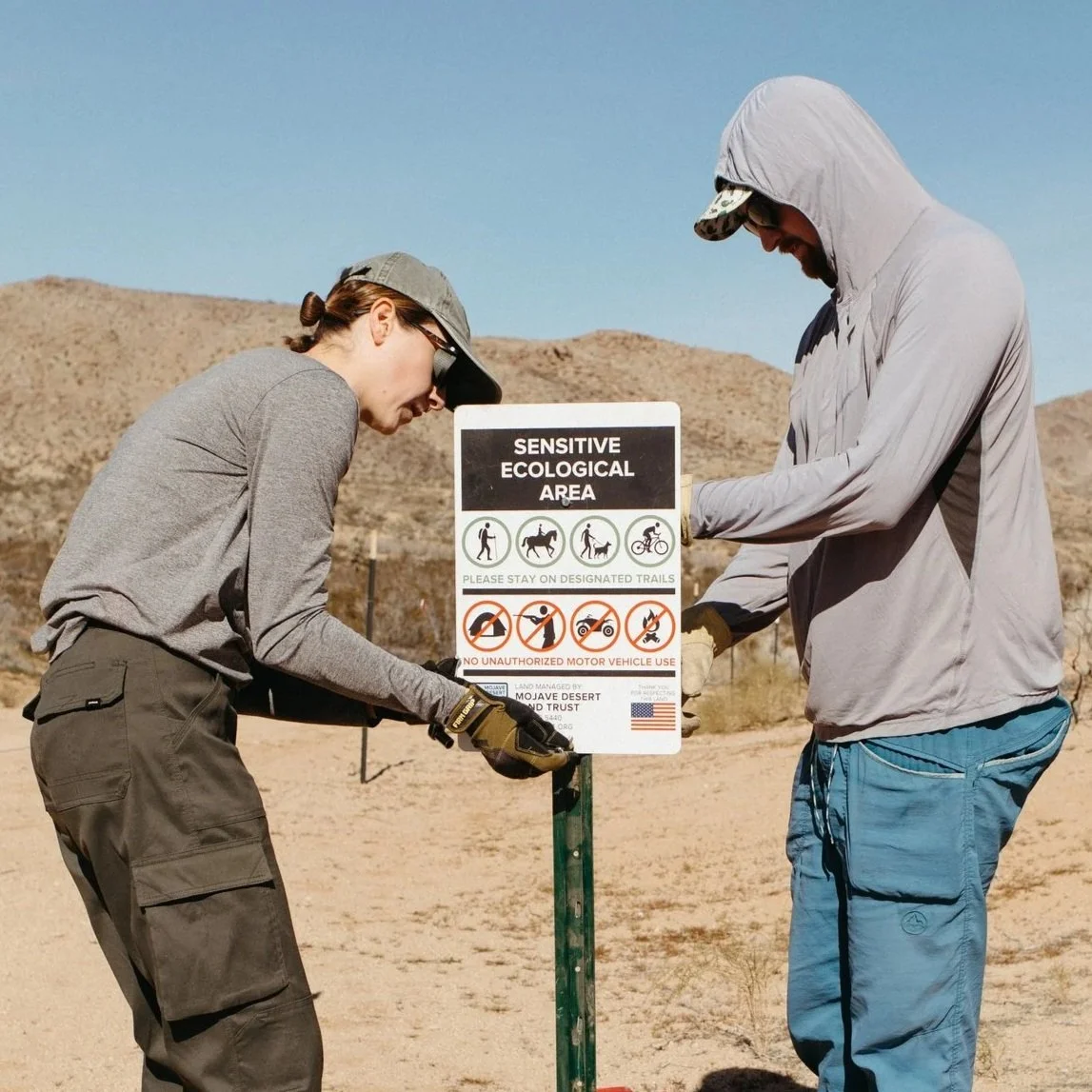
27,200 square feet of habitat restored
-
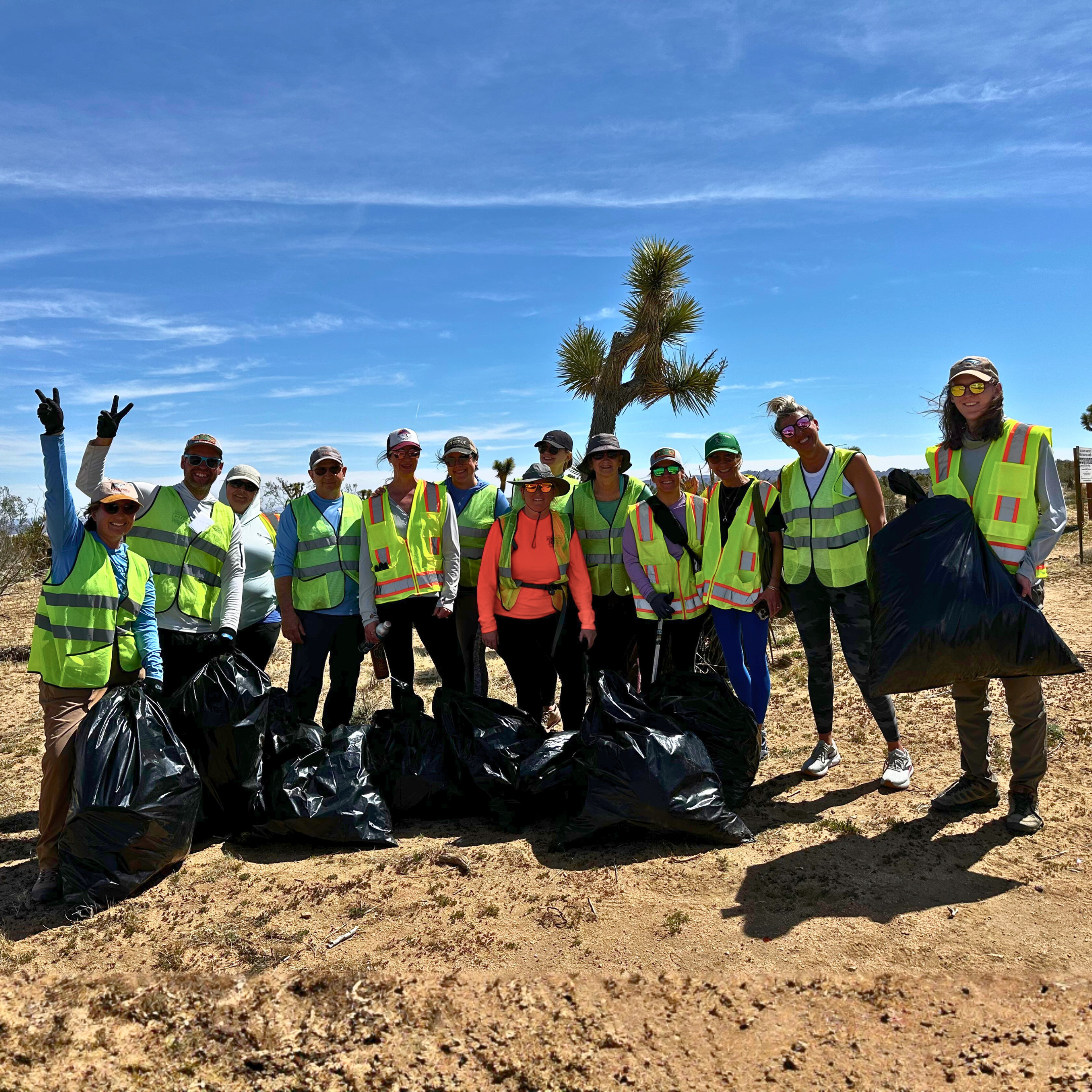
3,760 pounds of trash removed from desert lands
-
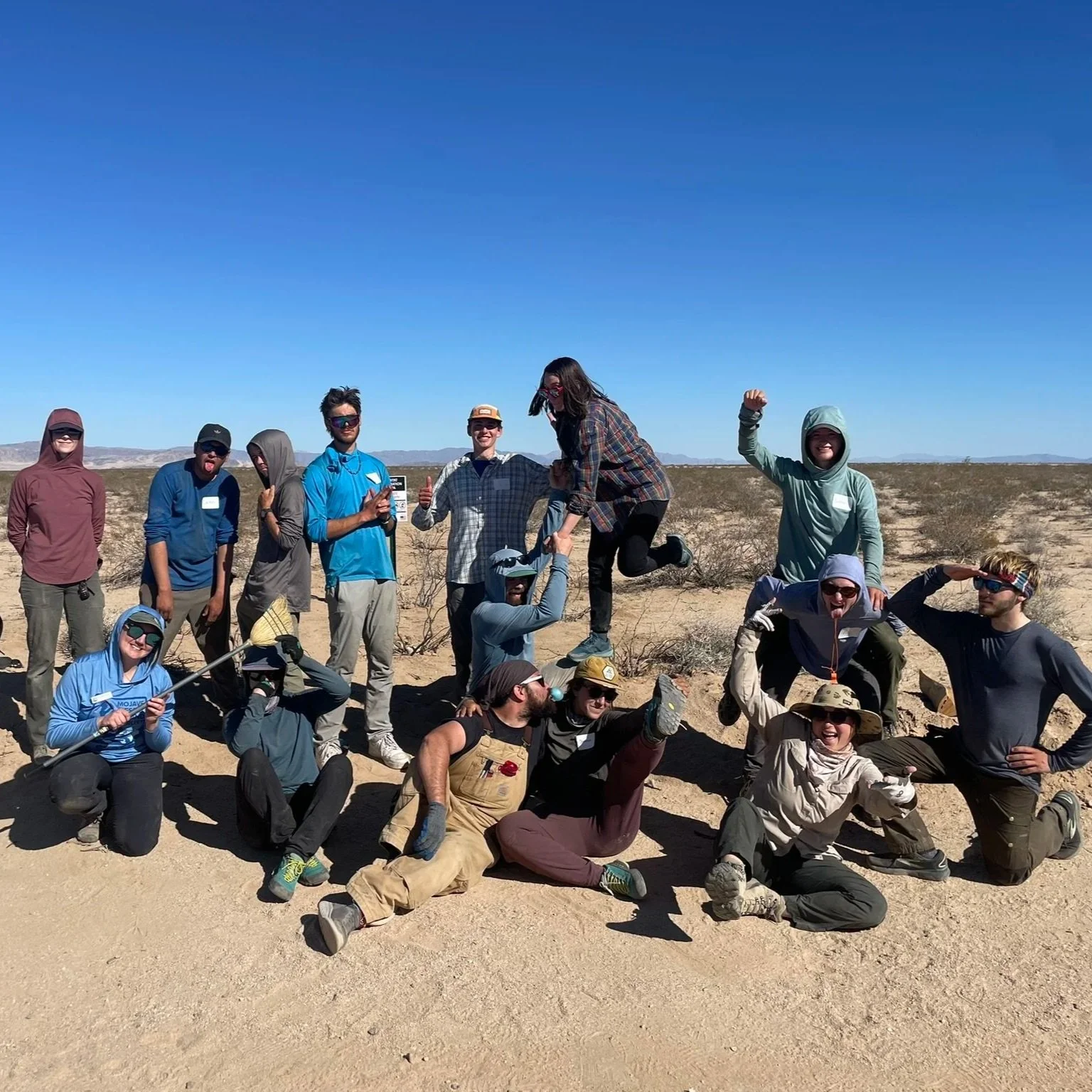
4,791 hours of volunteer support
Like any ecosystem, healthy desert landscapes function through relationships—interactions between plants, wildlife, soils and the natural processes that sustain them. The biodiversity metrics in this report represent more than numbers; they reflect the restoration and protection of those relationships across the Mojave and Colorado Deserts.
In 2025, MDLT conserved over 6,000 acres of land, bringing the total protected since 2006 to well over 132,000 acres. Each acre helps maintain intact habitat where native plants stabilize soils, store carbon, and provide food and shelter for wildlife.
Restoration actions backed by conservation science also strengthen the desert’s capacity to recover from disturbance. Last year alone, MDLT grew 10,245 native plants for restoration and community use and added 65 new taxa to its seed bank, safeguarding the genetic diversity needed for future rehabilitation.
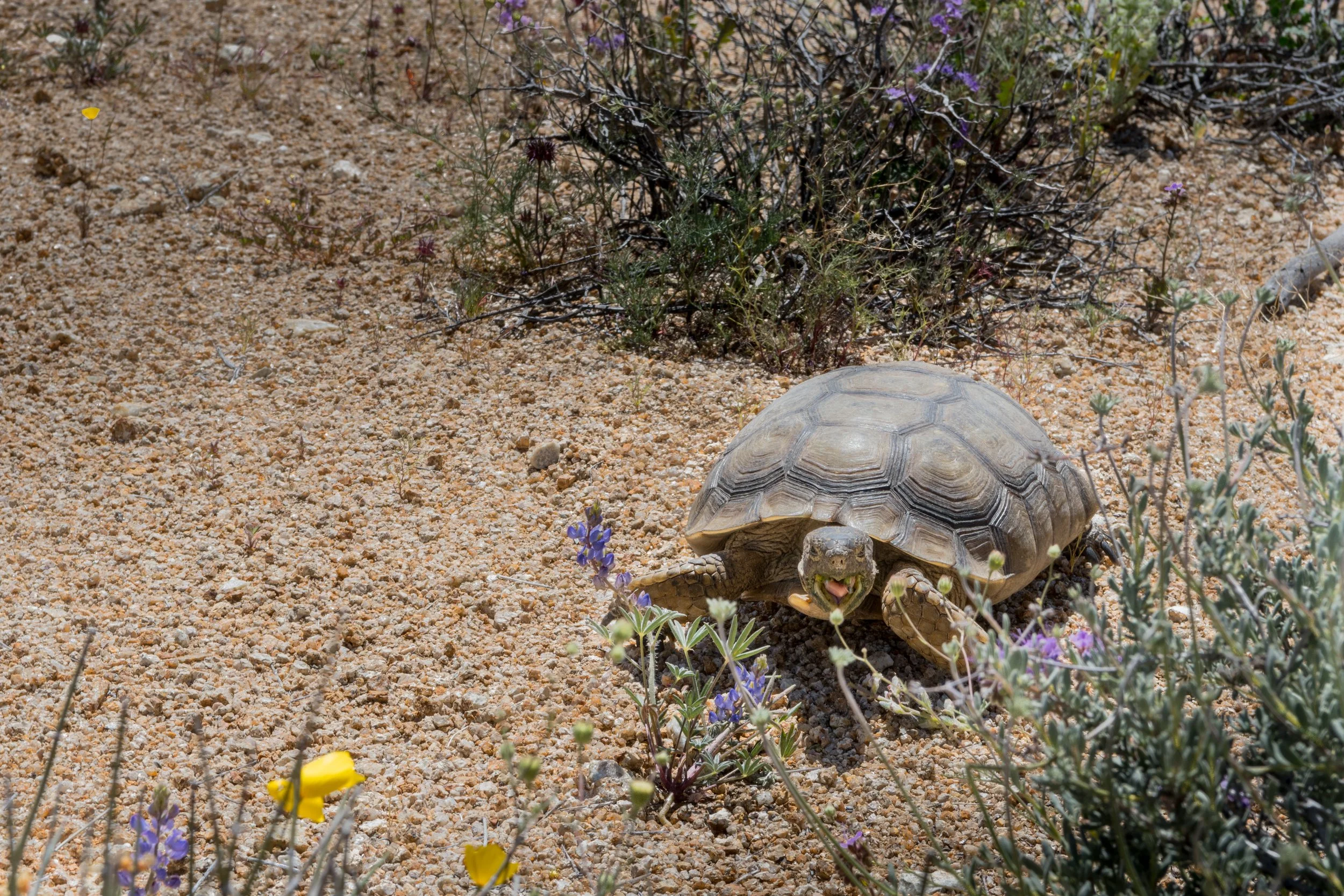
On-the-ground stewardship further restores ecosystem processes. In 2025, MDLT staff and volunteers conducted 12 desert tortoise population surveys, removed 3,760 pounds of trash from sensitive lands, and repaired more than 27,000 square feet of damaged habitat across our protected lands. Together, these efforts support ecological functions like pollination, soil stability, wildlife movement, and habitat regeneration—each of which help keep southern California's desert ecosystems resilient in our rapidly changing world.

Canyon washes, open desert scrub, and Joshua tree woodlands are among the 8,500 acres stewarded by the Mojave Desert Land Trust in the Morongo Basin region alone. These preserves include popular trails and support wildlife corridors between Joshua Tree National Park and other public lands. Our stewardship teams regularly return to these properties to monitor and restore habitat. Here’s what we tackled in the first half of 2025.
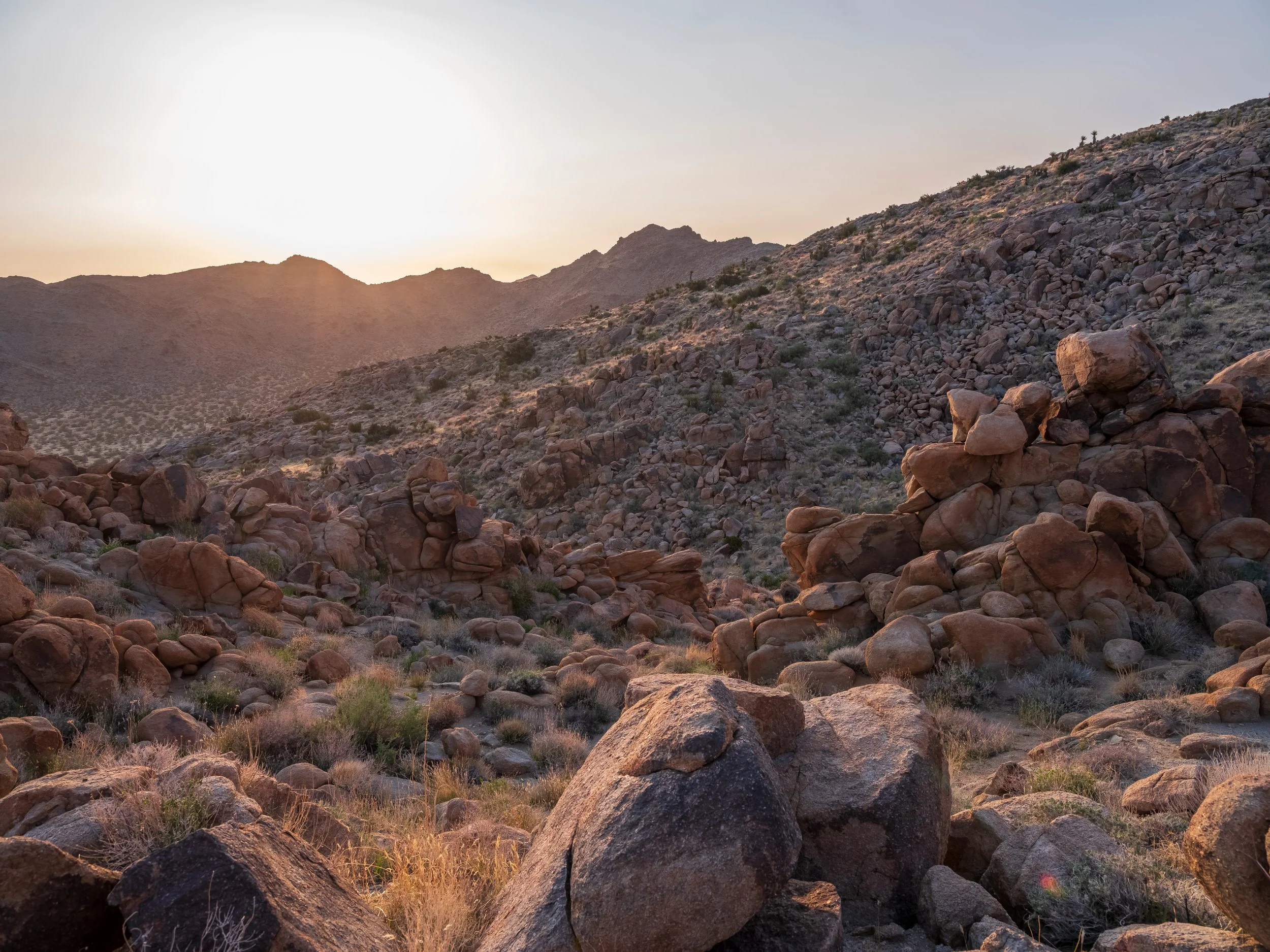
132,347 acres of ecologically significant land protected since 2006.
Read about the 6,066 acres MDLT conserved in 2025.
Once acquired, land is stewarded by MDLT or eventually passed back to federal agencies using the Land and Water Conservation Fund. In 2025 MDLT transferred 74 acres in Mojave National Preserve to the National Park Service. Another 370 acres in Mojave Trails National Monument and officially designated wilderness were conveyed to the Bureau of Land Management. MDLT plays an important role in conserving public lands by acquiring parcels from willing sellers and conveying them over to our federal partners. Through acquisition, stewardship, and conveyance, privately owned parcels scattered across the open desert are permanently protected in perpetuity as part of our nation’s public lands. Since our founding in 2006, MDLT has transferred more tracts of land to the National Park system than any nonprofit organization in the country.
Building up the cornerstone of the ecosystem
Our Mojave Desert Seed Bank celebrated a banner year, adding 101 collections representing 94 different species to our repository. Of these, 65 species are new to the seed bank and 11 are ranked as rare by the California Native Plant Society. Each new taxa broadens the biodiversity conserved and the number of species available for research and future restoration.
Bolstered by a massive volunteer effort, our Plant Conservation Programs are an investment in the California desert and the communities that call this region home. Forty-two volunteers donated their time to our seed bank in 2025, surveying MDLT lands, collecting seeds, and carefully processing over two dozen collections by hand for long-term storage. In our nursery, 58 volunteers helped us maintain our Mojave Desert Discovery Garden and grow native plants for restoration and community use.
Our team grew 10,245 plants in 2025. Many of these made their way into the community during our annual native plant sale; the rest were destined for restoration projects, including 3,300 plants for Joshua Tree National Park. Joshua trees, creosote bush, desert globemallow, and big galleta grass were nurtured for future post-fire restoration within the park and on other public lands throughout the Mojave Desert. Collaboration is a hallmark of such projects, with MDLT sharing their expertise growing desert natives.
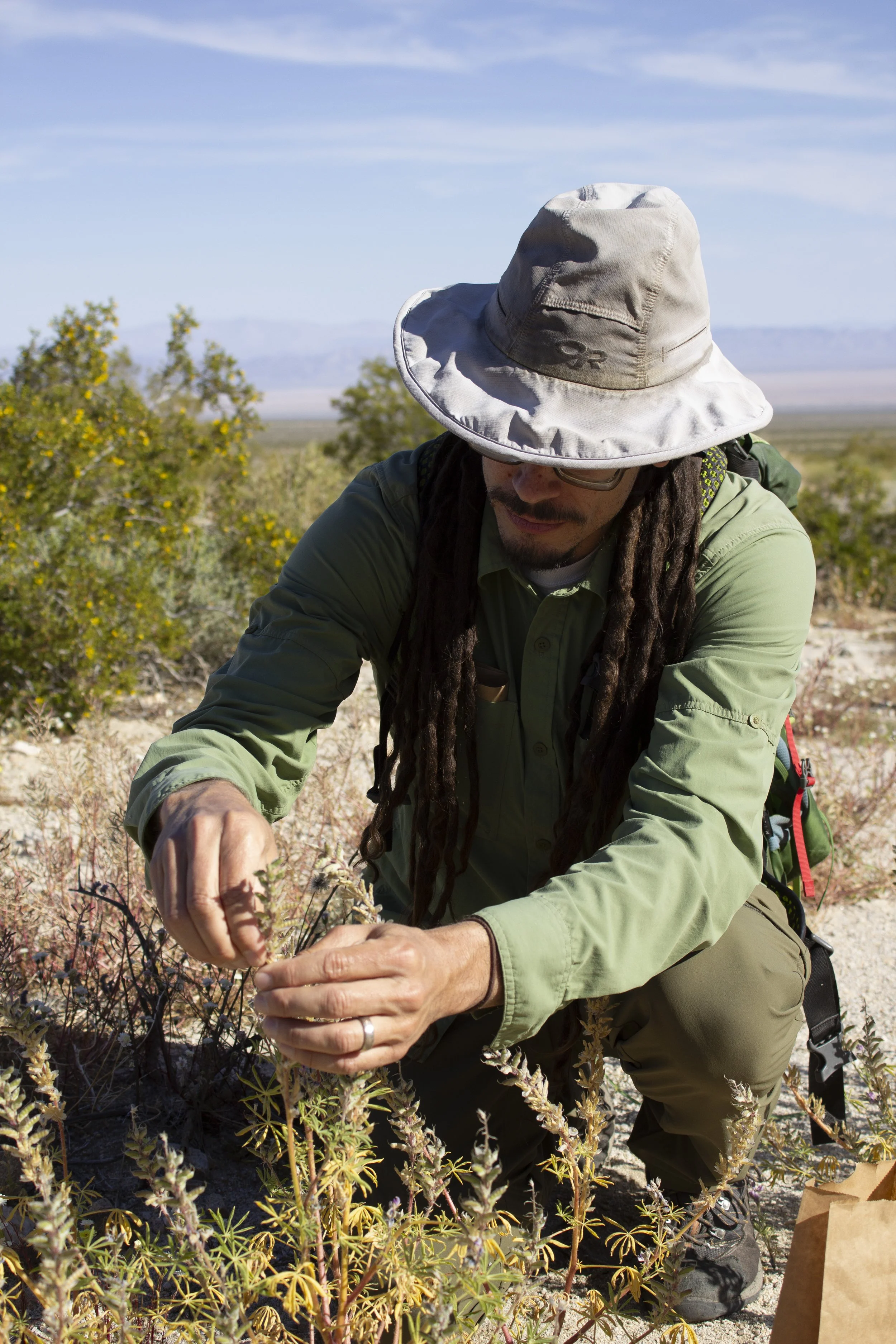
Habitat restoration at work
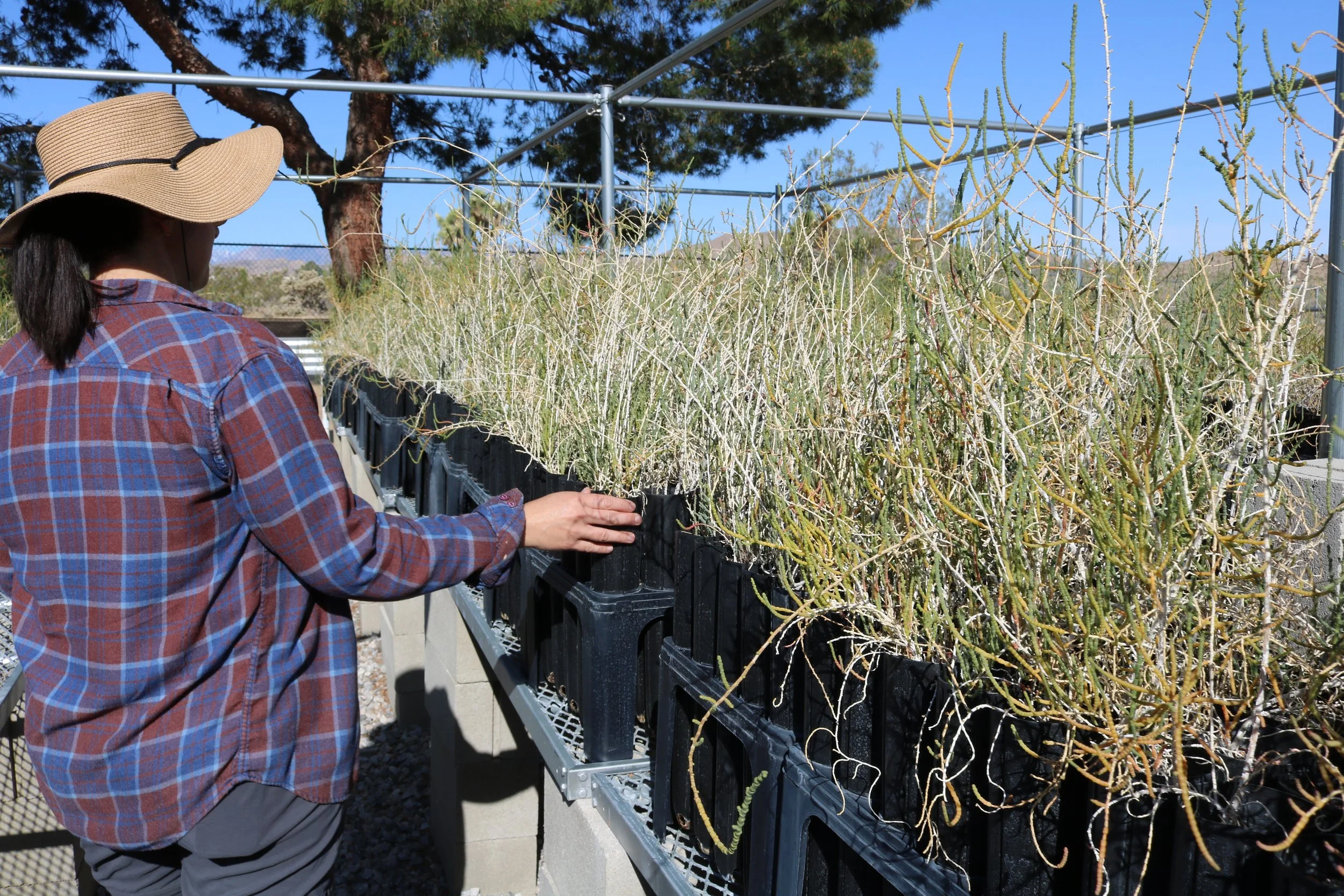
Did you know: Iodine bush is one of the most salt-tolerant plants in North America? It’s one of seven species of salt-loving plants our nursery grew for a habitat restoration project at the Salton Sea, where declining water inflows have led to poor air quality that impacts public health and threatens fish and migratory birds. Over two years, our plant conservation team grew 18,000 halophytic native plants, irrigating them with salt water to better prepare them for their new environment of saline soils.
A rallying cry for public lands
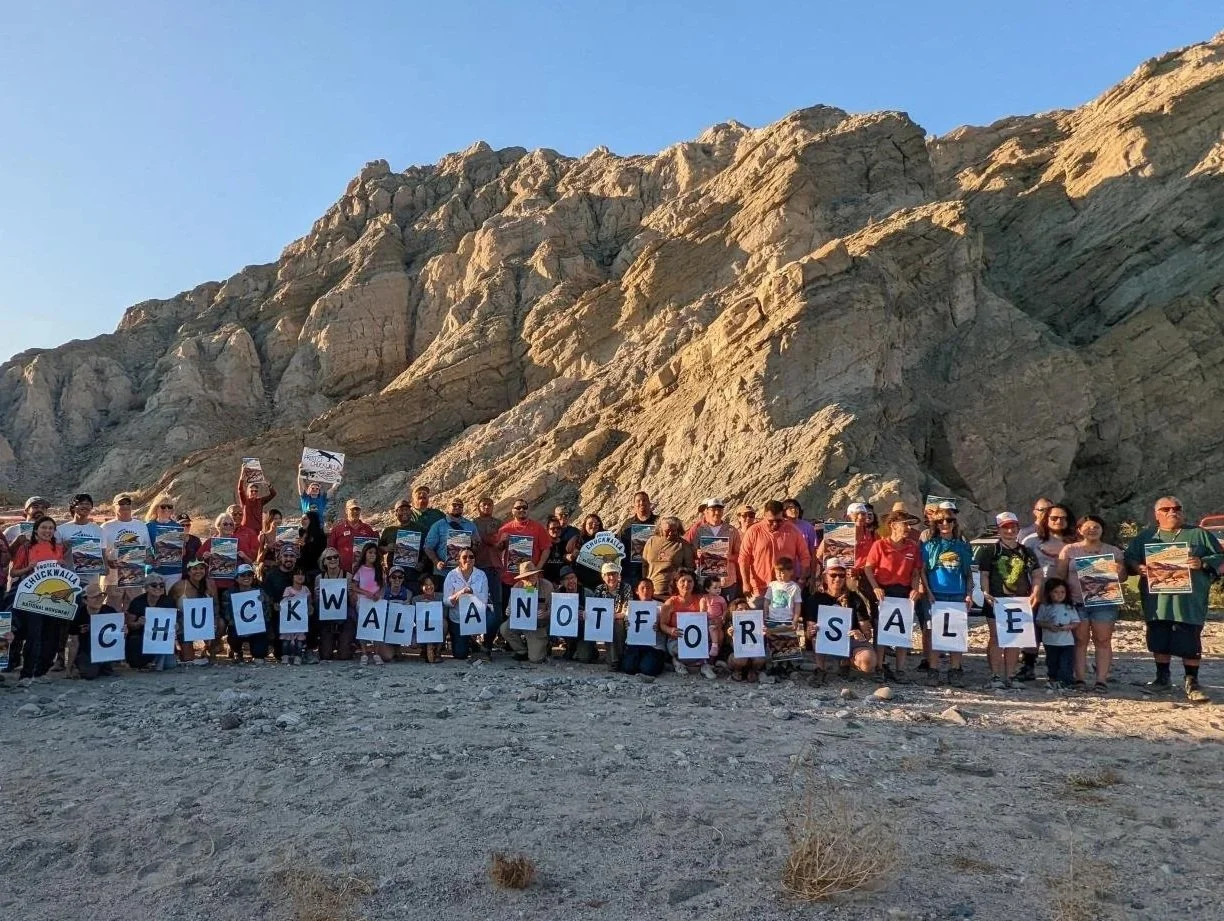
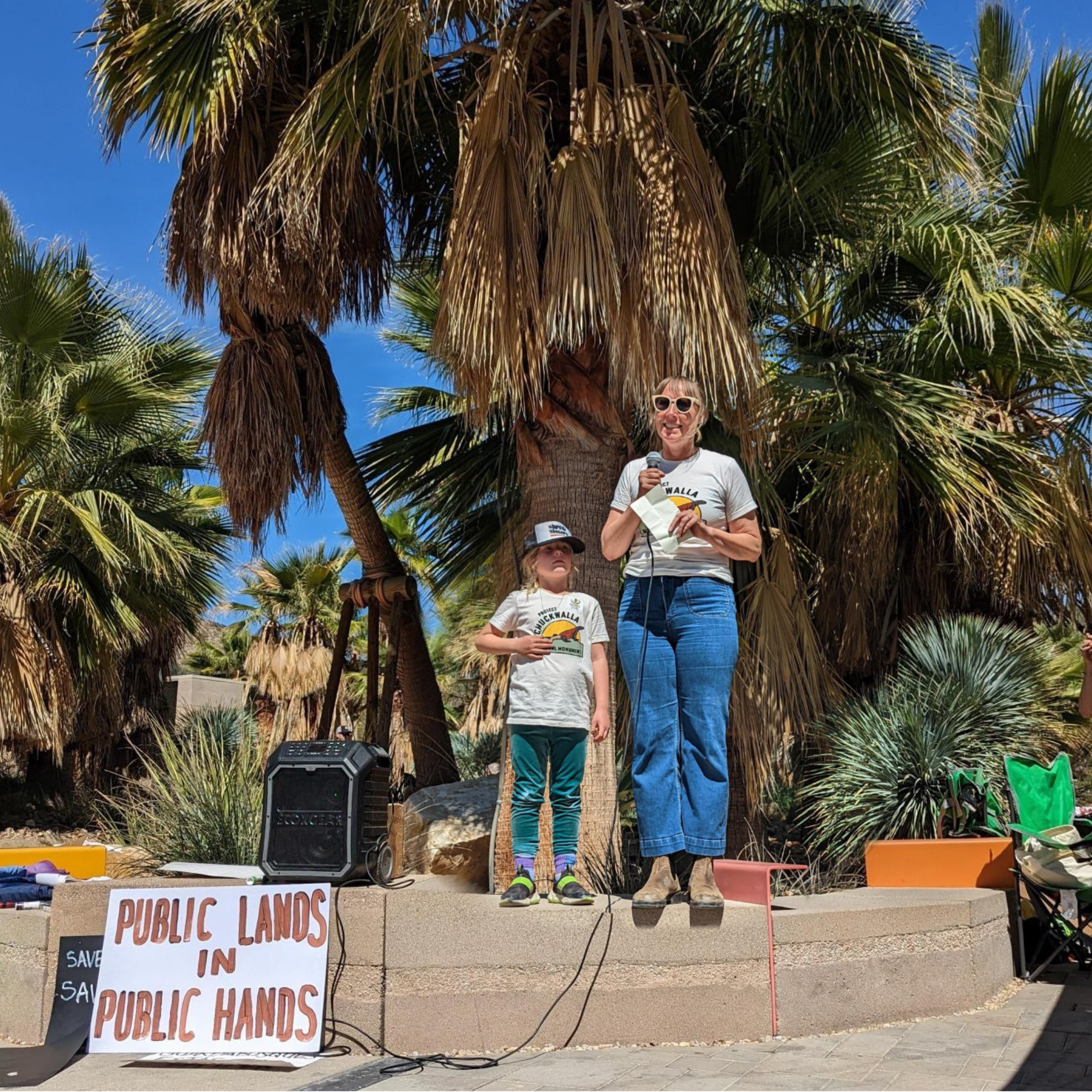
Desert communities gathered at the White House in January 2025 to witness the historic designation of 624,000 acres of the Colorado Desert as the new Chuckwalla National Monument. MDLT was one of the leaders of a grassroots coalition of organizations and tribal representatives that worked for over five years to build the movement that secured support from residents, businesses, community groups, and elected officials. This celebration of our collective achievement soon served as a launch pad for an unprecedented year of rallying support for public lands.
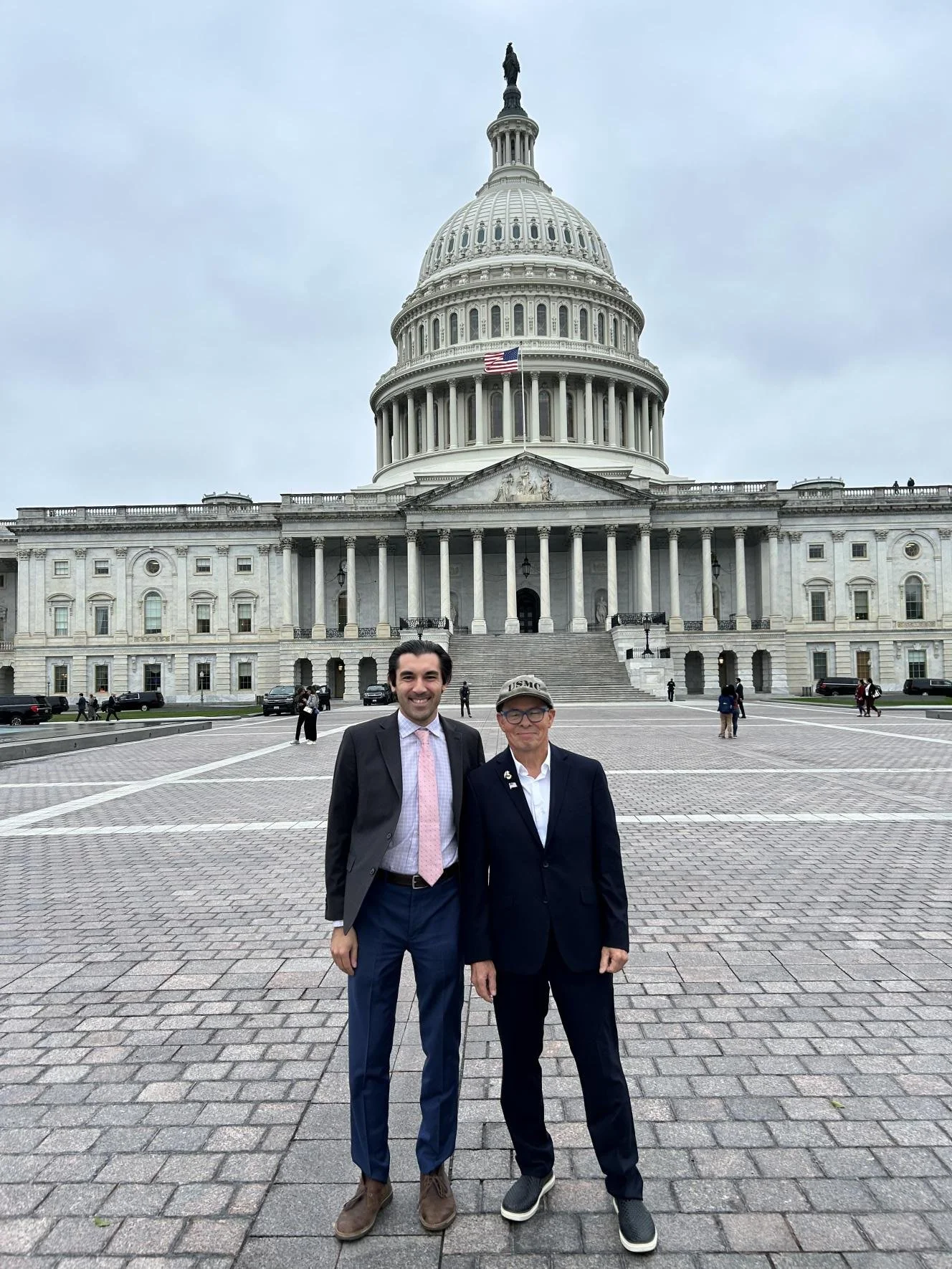
Our staff broke down complex policy issues and created a network of public lands defenders to speak directly to decision-makers. Thousands of our supporters urged their representatives to take action against successive federal efforts to dismantle environmental protections. Together, we faced down an onerous attempt to sell off more than 250 million acres of public lands nationally. In our desert communities, veterans were among the first to rise up and passionately defend California’s remarkable conservation lands locally and in Washington, D.C.
Throughout the year, MDLT worked across the aisle to build bridges and deliver bipartisan support for our public lands. We fostered relationships with state and federal offices that pushed back against conservation rollbacks and established partnerships with Congressional offices that resulted in their membership of the Public Lands Caucus. Our balanced and nonpartisan approach to policy inspired desert advocates from all strata to make their voices heard.
Tracking survival of the western Joshua tree
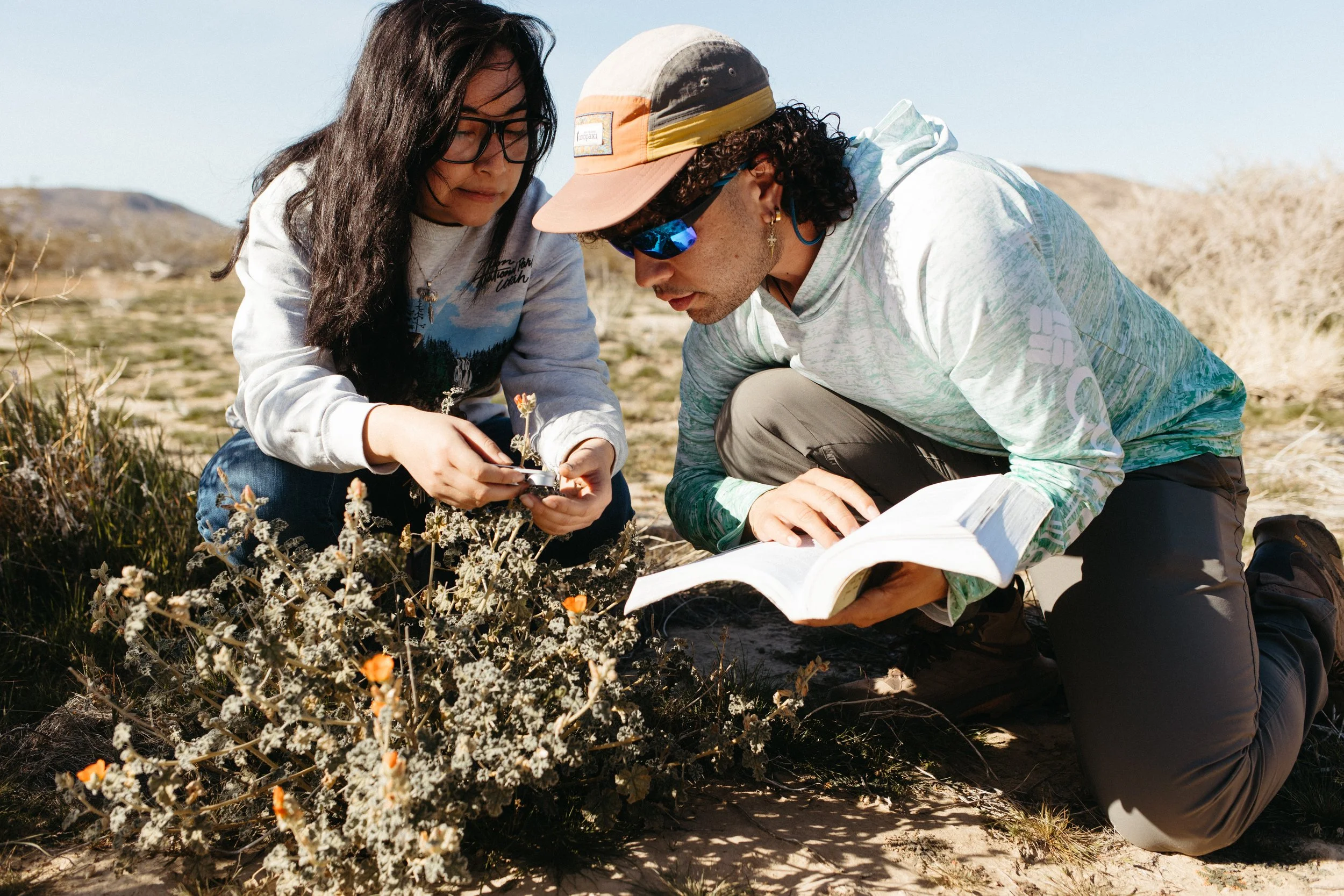
The first comprehensive demographic study of western Joshua trees was launched to better understand where the species is thriving and where it appears most at-risk across the California desert. In 2025, field botanists visited over 200 study plots throughout the species’ range to record baseline data such as height, trunk damage, reproduction, and mortality. Coordinated by MDLT and designed by the U.S. Geological Survey, the study will provide baseline population data that will help clarify the tree’s responses to temperature and precipitation fluctuations in the future. In light of recent devastating fires, it will also help uncover whether the species’ response to wildfire varies by population or geographically.
The western Joshua tree is the first native plant to be legislatively protected in California due to the threat of climate change. On-the-ground data will fill a critical knowledge gap about the current health of western Joshua tree populations and will be used to test models projecting future population trends, and ultimately help communities and land managers make the best-informed decisions to protect the desert ecosystem. By conducting long-term, range-wide monitoring throughout California, we will be able to prioritize areas for conservation and management. This project is funded by the California Wildlife Conservation Board.

Connecting people to the desert
3.8 million people reached through MDLT’s communications channels.
30,000 people took action in 20 advocacy initiatives.
Our outreach program supported activities about native plants, seed banking, climate change, wildlife, recreation, Indigenous knowledge, advocacy, and veteran and LGBTQ community building.
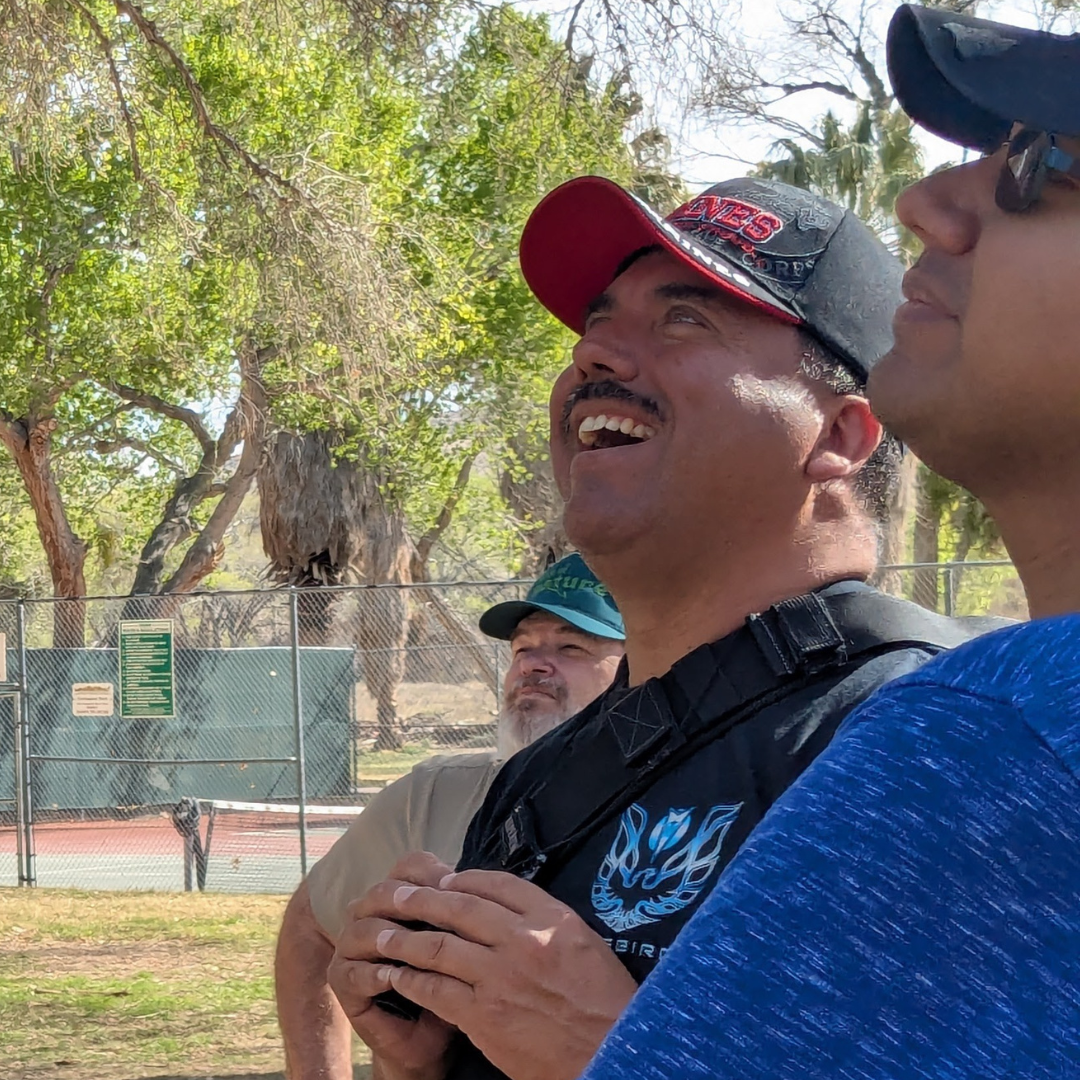
In 2025, MDLT launched its Community Conservation Initiatives department to deepen partnerships with local communities and Tribal partners and ensure that conservation efforts reflect shared values and priorities. Community-centered conservation is central to our mission, and this department aims to expand programs that support and uplift Indigenous communities, engage with local communities to monitor habitat and wildlife health, provide accessible education and outreach on environmental and policy issues, and share local ecological knowledge. In 2025, the department participated in 13 local community and tribal events, connecting with over 500 people in-person and over 200 people virtually.
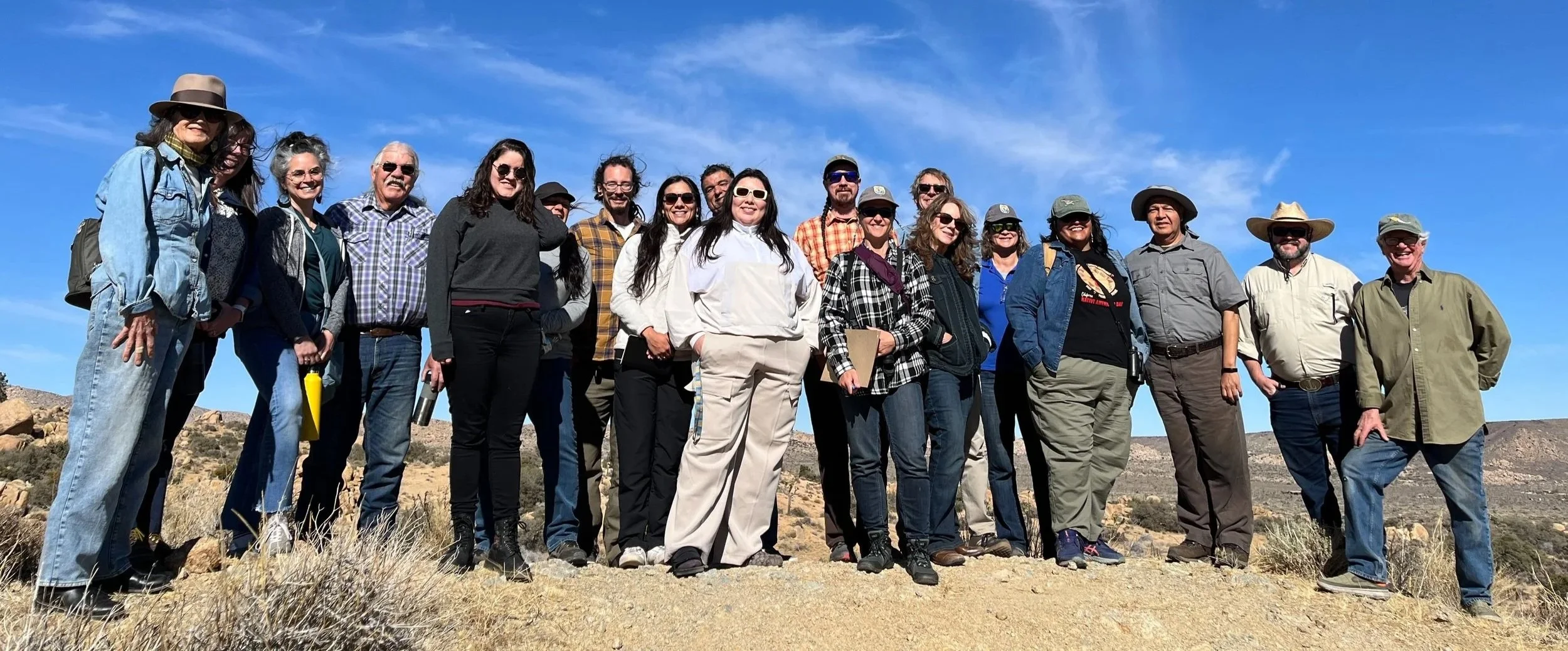
Research uncovers new data about the desert
Eight interns carried out important baseline research about the Mojave Desert, from monthly biodiversity checks in the ‘Grand Canyon of the Mojave’ to dark night sky monitoring in some of the darkest locations in the desert. Over 44 interns have now completed the Women In Science Discovering Our Mojave internship since 2019!

Financial report
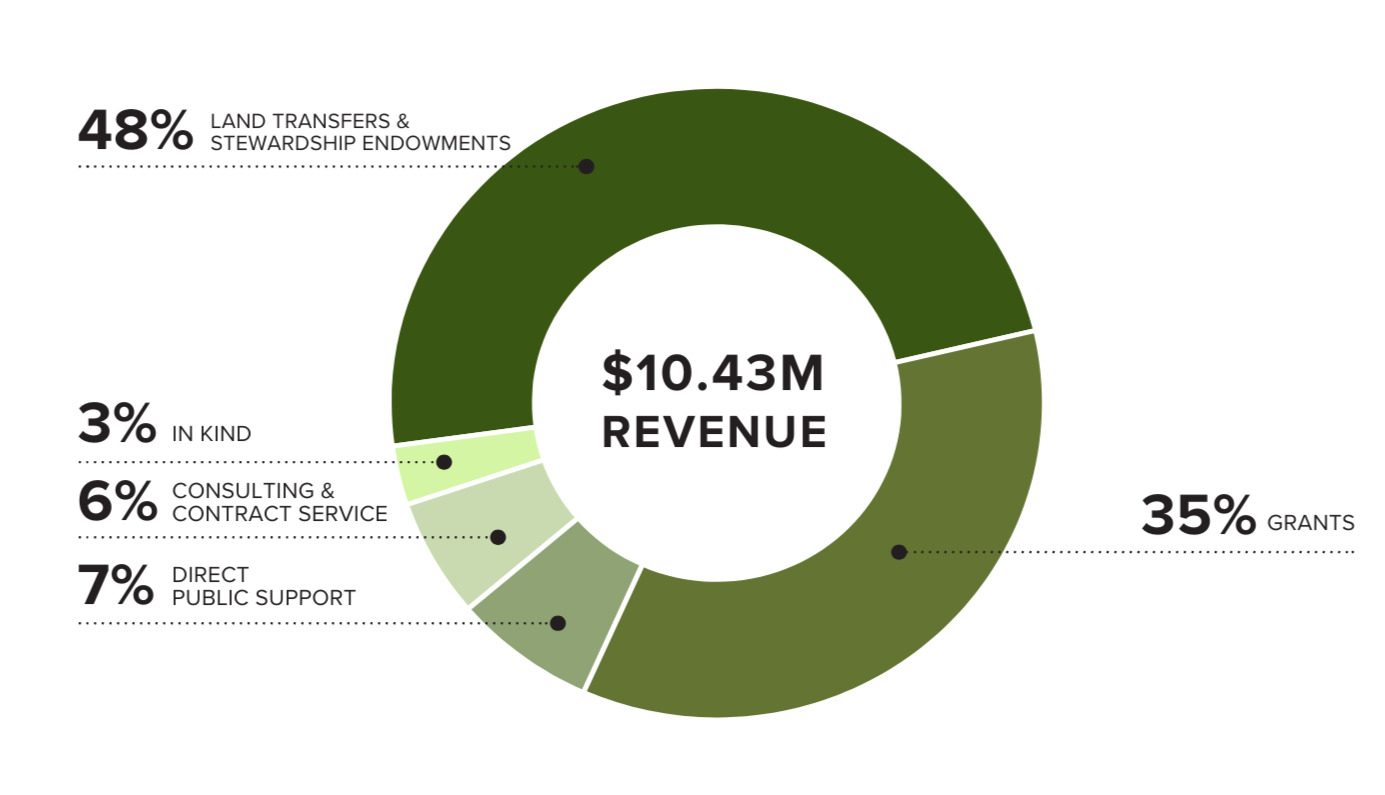
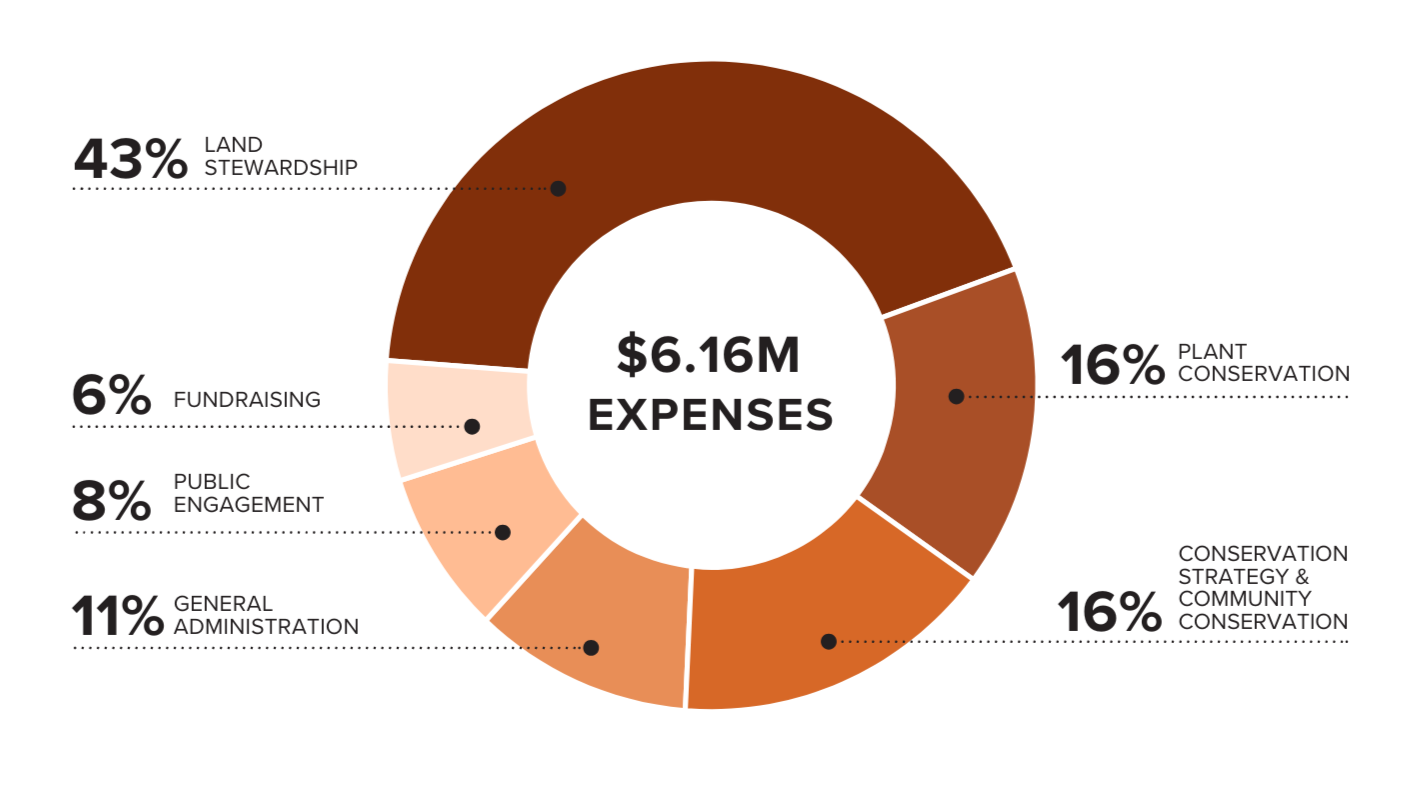
MDLT operates on a July-June fiscal year. The information presented does not align to our tax filings, which is on a calendar year.
Photos: Sarah Sido, Kelly Van Dellen, Krystian Lahage, Ella DeMaria, Chris Wheeler, Jessica Graybill, Elizabeth Brentano, Jessica Dacey, Ironwood Consulting.