
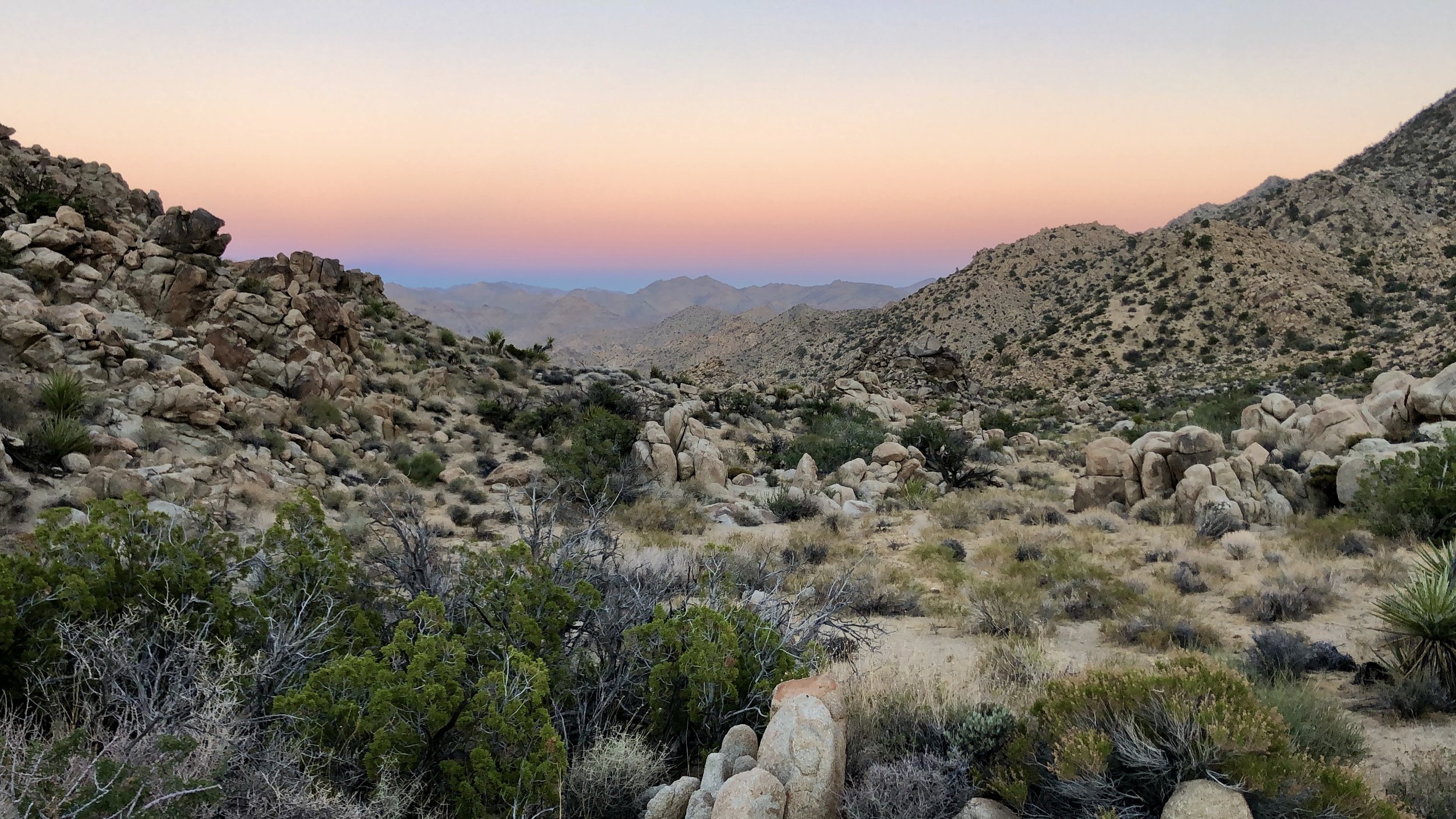

The first plants were people
“Among the Cahuilla, plants were not viewed simply as objects which might or might not be useful to man, but as living beings with whom one could communicate and interact….Plants, like any life form, were therefore treated with respect.”
- Temalpakh, by Lowell John Bean and Katherine Siva Saubel

Know your desert pollinators, and the plants they rely on
Native plants in the Mojave Desert are visited by hummingbirds, bees, and butterflies. These pollinators are vital to our ecosystem. But they need our help.
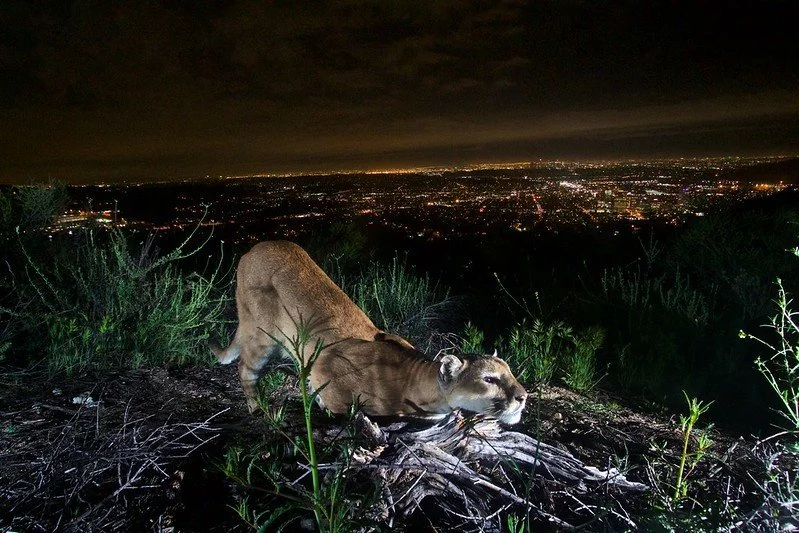
Action alert! California mountain lions in peril
Mountain lions in our deserts and related lions in the south and central coast of California are at risk of extinction. A petition to state list these animals as threatened is being heard by the California Fish and Game Commission.

How nature heals trauma
Our public lands play a pivotal role in the emotional and spiritual recovery for some veterans. In 2005, I returned home from a yearlong deployment to Iraq. And no one ever tells you that coming home is one of the hardest parts of serving. Reintegration back into civilian life — no matter what your job was overseas or stateside — can take a toll on service members both mentally and physically. But many service members and veterans have realized the benefits of the outdoors to help ease that transition.

It’s alive! The hidden microbial communities below our feet
California’s deserts are harbors of biodiversity — filled with blossoming wildflowers, charismatic animals, and imperceptible microorganisms. Walk through a desert and you might see a vast vista of protruding peaks speckled with desert scrub. Look a little closer and you might see pops of color, fragrant forbs scattered across the soil. Easily missed, biocrusts are ecosystem engineers in the soil. Here’s why we need to watch where we step.

Preserving a symbol of the desert
For the past six years MDLT has conducted two annual desert tortoise surveys on some of our lands. The surveys we conduct are meant to determine the tortoise’s presence or absence from the area over consecutive years. This helps MDLT, as well as the California Department of Fish & Wildlife, understand the conditions and health of Gopherus agassizii populations and habitat.

Wildlife cameras pinpoint movement of protected bighorn sheep
MDLT’s Women in Science Discovering our Mojave (WISDOM) project has been analyzing data from seven cameras to better understand the movement of bighorn in one area of Mojave Trails National Monument. The results are now in.