

Women look to the dark skies for data
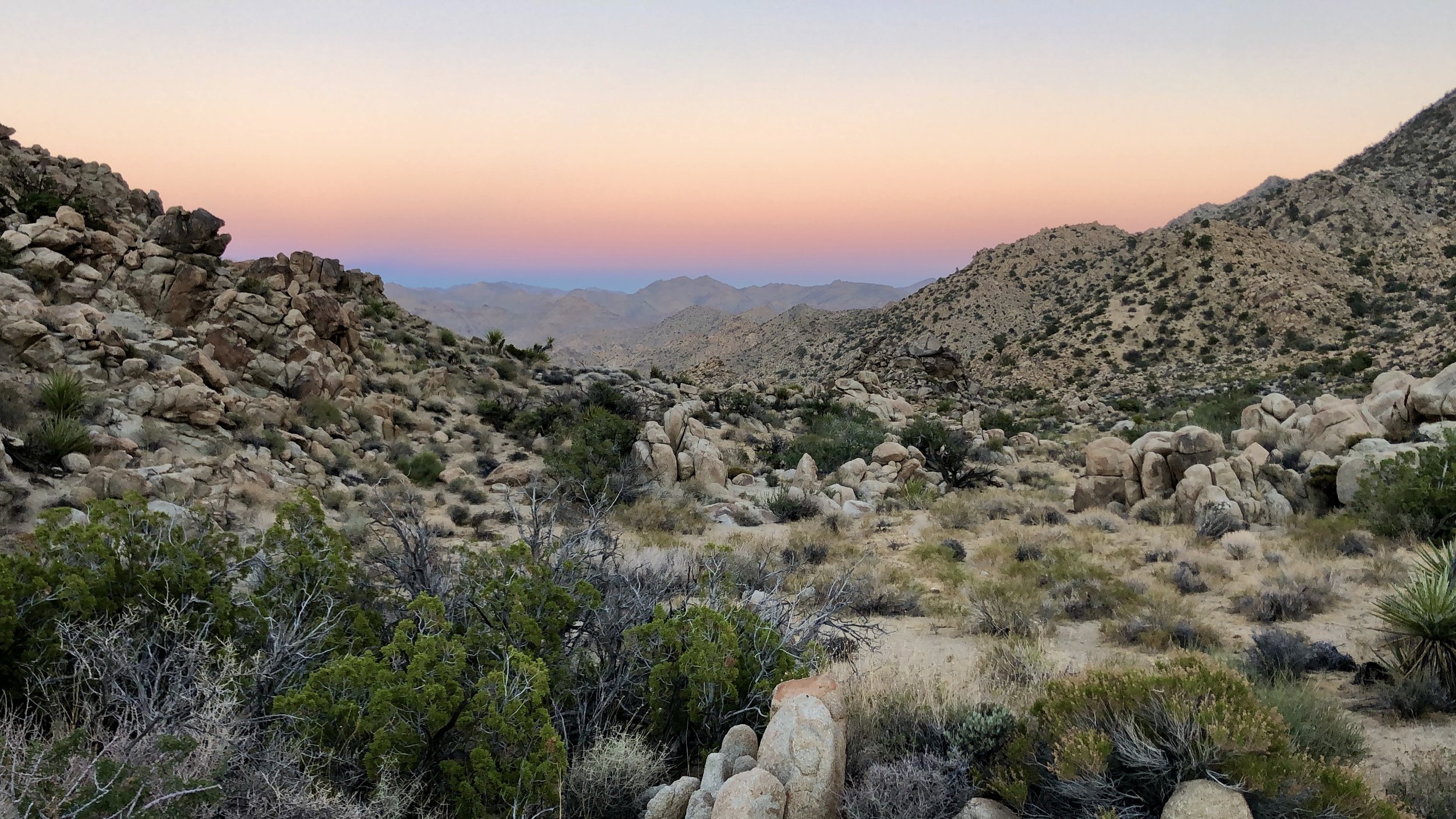
Have you ever looked up at the night sky and marveled at its vastness? The stars are becoming harder and harder to see in populated areas, which is why MDLT’s WISDOM interns are monitoring the night sky quality in the western portion of Mojave Trails National Monument.
What is desert stewardship?
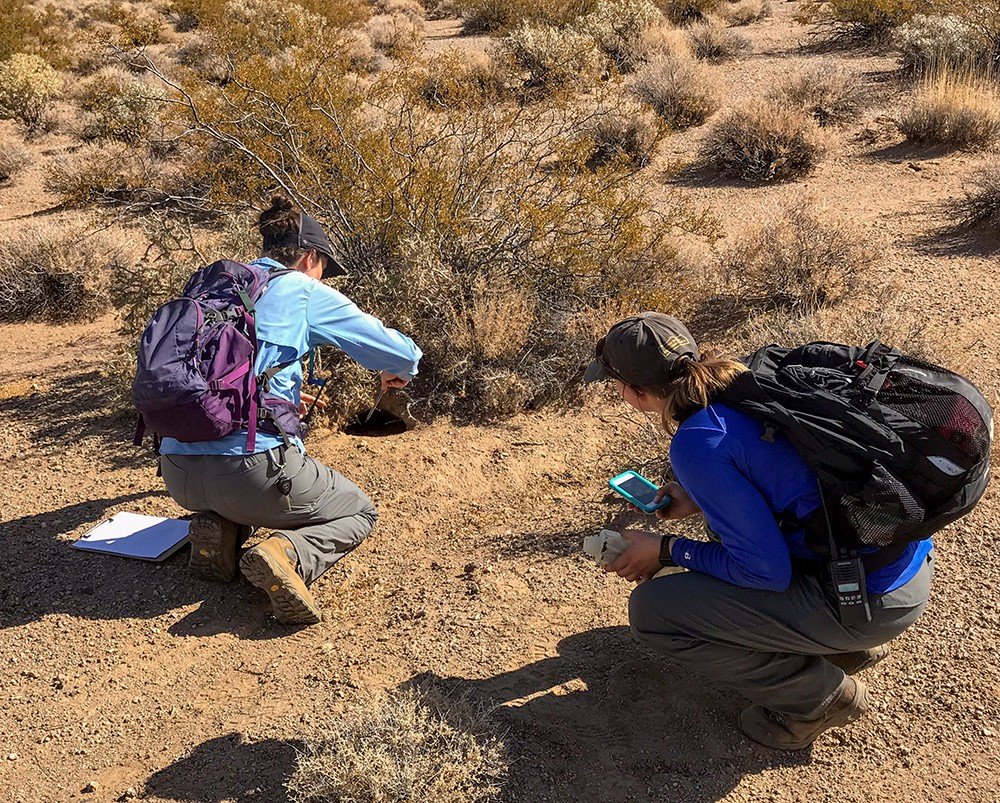
The California desert environment is “extremely fragile, easily scarred, and slowly healed.” This apt description, from the 1976 designation of the California Desert Conservation Area, drives home the need for specialized stewardship of this beautiful landscape. This photo essay by Land Steward Stream Tuss explains what she does while out on MDLT lands, from checking for traces of tortoise activity to installing vital signage.

Why we’re tracking beetles in the Mojave Desert
The Women in Science Discovering Our Mojave internship program has provided new insights into the movement of bighorn sheep in the Mojave Desert, with game cameras collecting data and images of the elusive species. In addition to tracking data on the comings-and-going of those lovable caprines, we’re also doing data collection on a slightly less cuddly species that are shaking things up in Afton Canyon.

Chia: A plant of power
In this edition of the Dorothy Ramon Learning Center August 2020 newsletter, reprinted in full with permission, we explore paanihac (Serrano), pasal (Cahuilla), pashal (Luiseño), ‘ilépesh (Barbareño Chumash), nulh’amulh (Kumeyaay), or chia, as this sage plant (Salvia columbariae) is known in a few local Southern California languages. Chia’s tiny seeds offer an important Native American traditional energy food.

“Having more women in science gives us a voice”
The Women in Science Discovering our Mojave (WISDOM) program provides hands-on experience for women studying STEM fields. Having more women in this field and in science gives us a voice and representation for future women. Women, especially women of minority backgrounds bring new ideas and different perspectives because of our diversity and unique upbringing.

How did MDLT become a record-holder in land conservation?
National parks often contain private land within their borders. This can be problematic when it comes to managing natural resources. The Mojave Desert Land Trust plays an important role in conserving these lands by acquiring them from willing sellers and conveying them over to the National Park Service. MDLT has now conveyed more tracts of land to the National Parks system than any nonprofit since 2006.

Volunteering deepens a connection to the land
As a volunteer land steward, Wendy is responsible for MDLT’s 470-acre spectacular Flat Top Mesa property. Land steward volunteers are trained and help monitor MDLT protected lands by visiting assigned areas periodically, conducting visual site inspections, and collecting simple data to keep record of land changes or management concerns.