
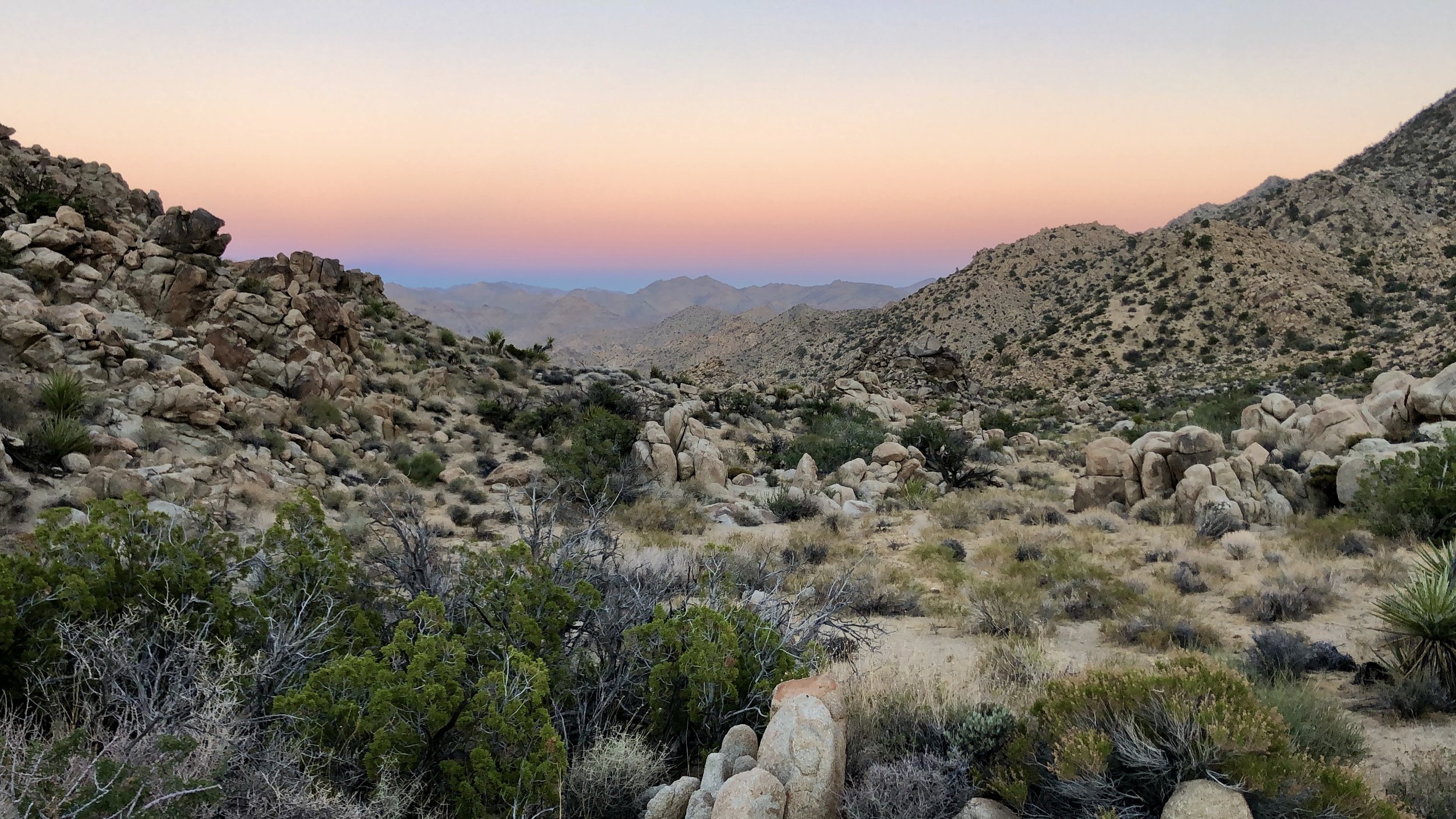

Preserving a symbol of the desert
For the past six years MDLT has conducted two annual desert tortoise surveys on some of our lands. The surveys we conduct are meant to determine the tortoise’s presence or absence from the area over consecutive years. This helps MDLT, as well as the California Department of Fish & Wildlife, understand the conditions and health of Gopherus agassizii populations and habitat.

Wildlife cameras pinpoint movement of protected bighorn sheep
MDLT’s Women in Science Discovering our Mojave (WISDOM) project has been analyzing data from seven cameras to better understand the movement of bighorn in one area of Mojave Trails National Monument. The results are now in.
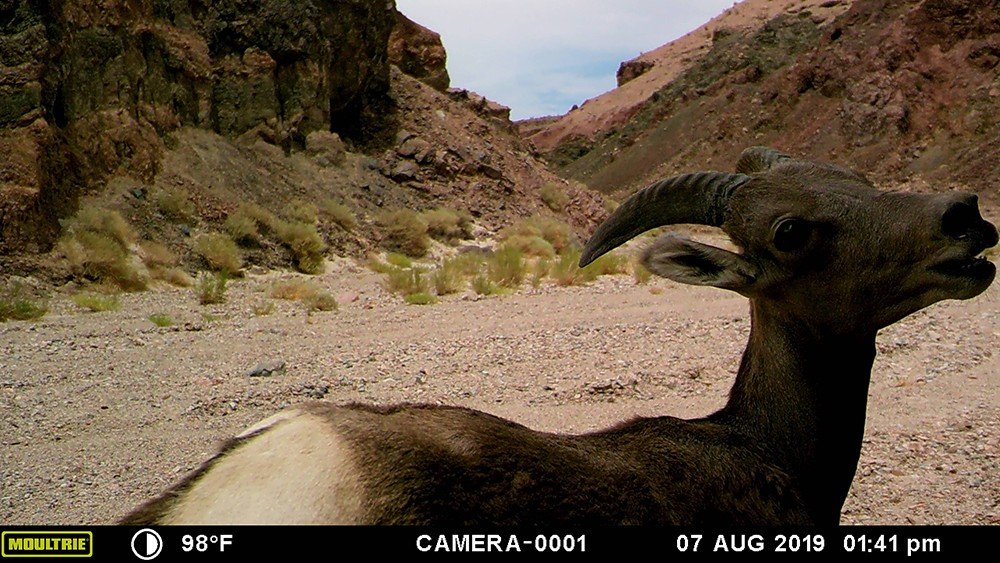
Wildlife cameras provide close-ups of bighorn sheep
Afton Canyon is known locally as the “Grand Canyon of the Mojave”. It not only has impressive geological formations, but it is one of the few places where the Mojave River flows above ground all year. Bighorn sheep (Ovis canadensis nelsoni) are one of the wildlife species that use this area. MDLT’s Women in Science Discovering Our Mojave (WISDOM) program is helping the Bureau of Land Management provide a range of recreational access in Mojave Trails National Monument, while also ensuring the well-being and protection of wildlife and other sensitive resources.
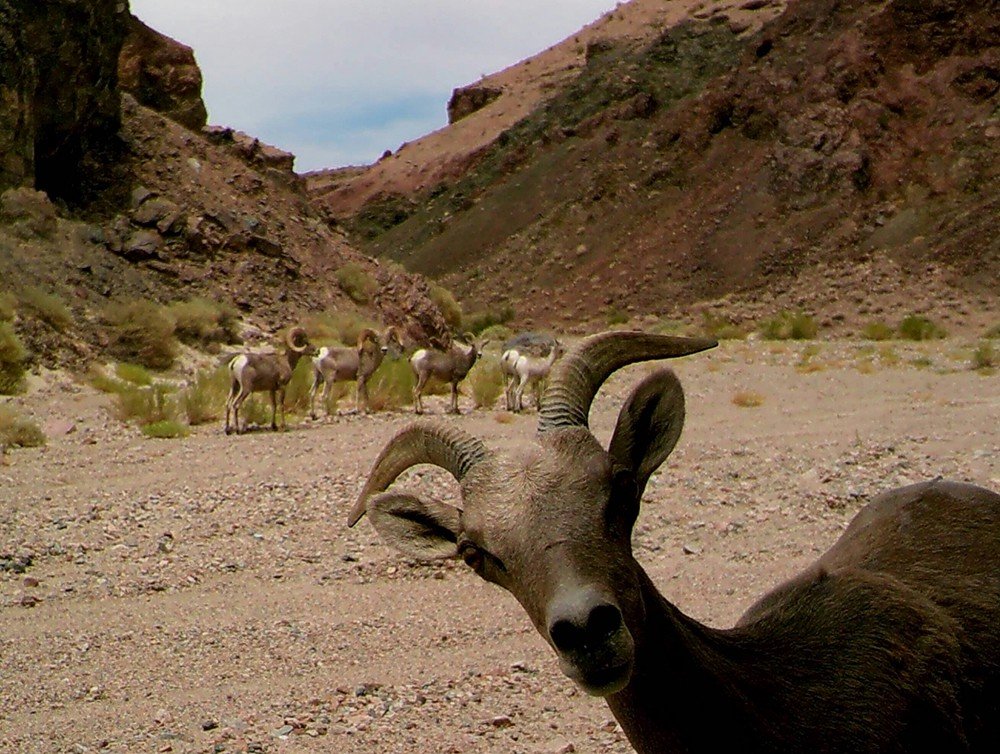
The bighorn sheep is famously elusive. Interns hope to understand its movement
Every few weeks, Alejandra Lopez leaves her home in Long Beach, CA to drive 3.5 hours to join an all-female research team collecting scientific data on the bighorn sheep in the Mojave Desert.
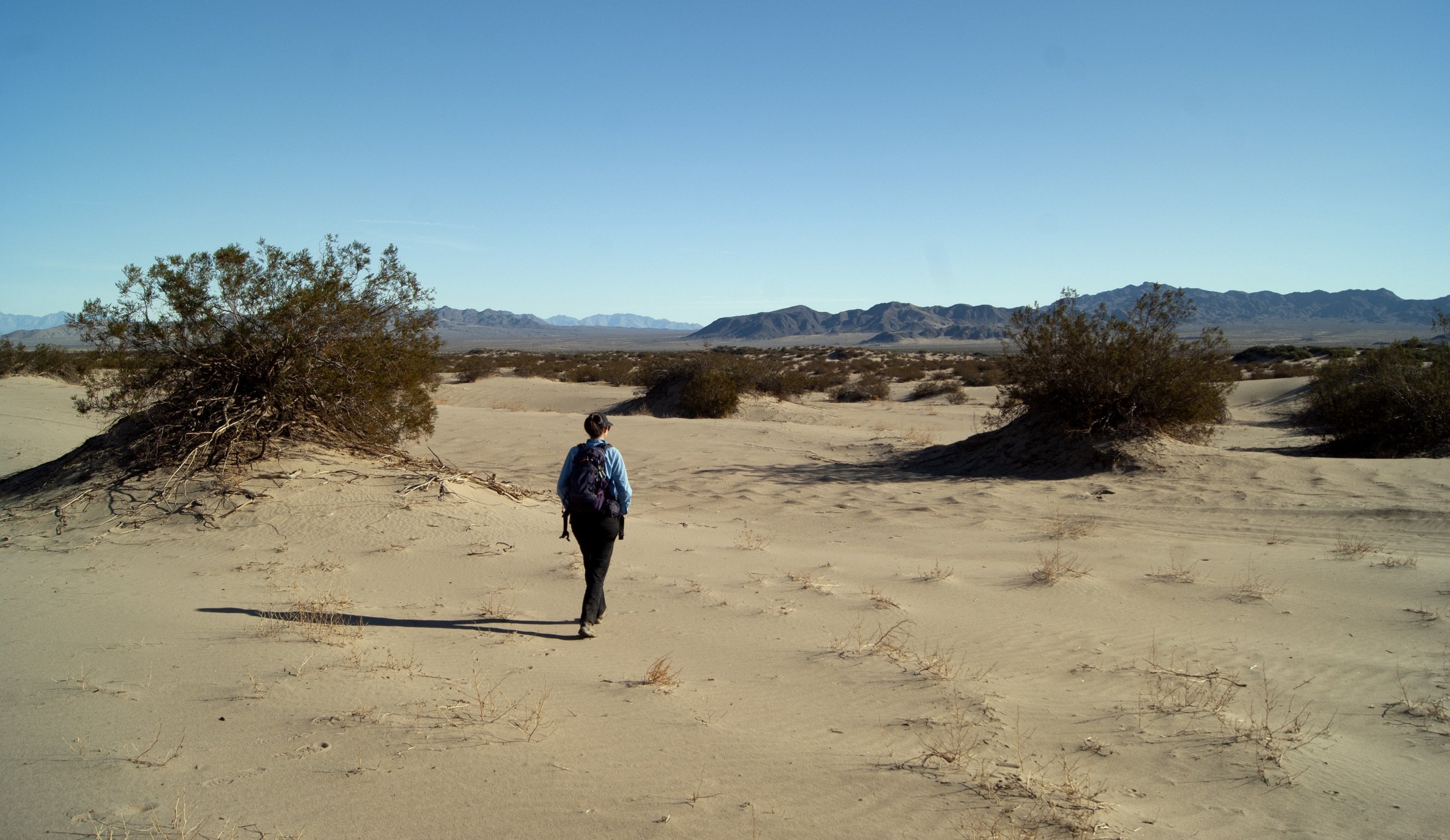
Desert plants — and the desert floor itself — are key fighters of climate change
The so-called ‘barren’ lands of the Mojave actually play an important role in keeping carbon out of the atmosphere. Scientists have been surprised to find that deserts, like other ecosystems, function as a carbon sink. This means the Mojave Desert and all the world’s arid lands play a key role in the carbon cycle and carbon uptake — and that preserving them is of high importance as the climate crisis continues. But wait: How does a landscape that seems so empty keep carbon?
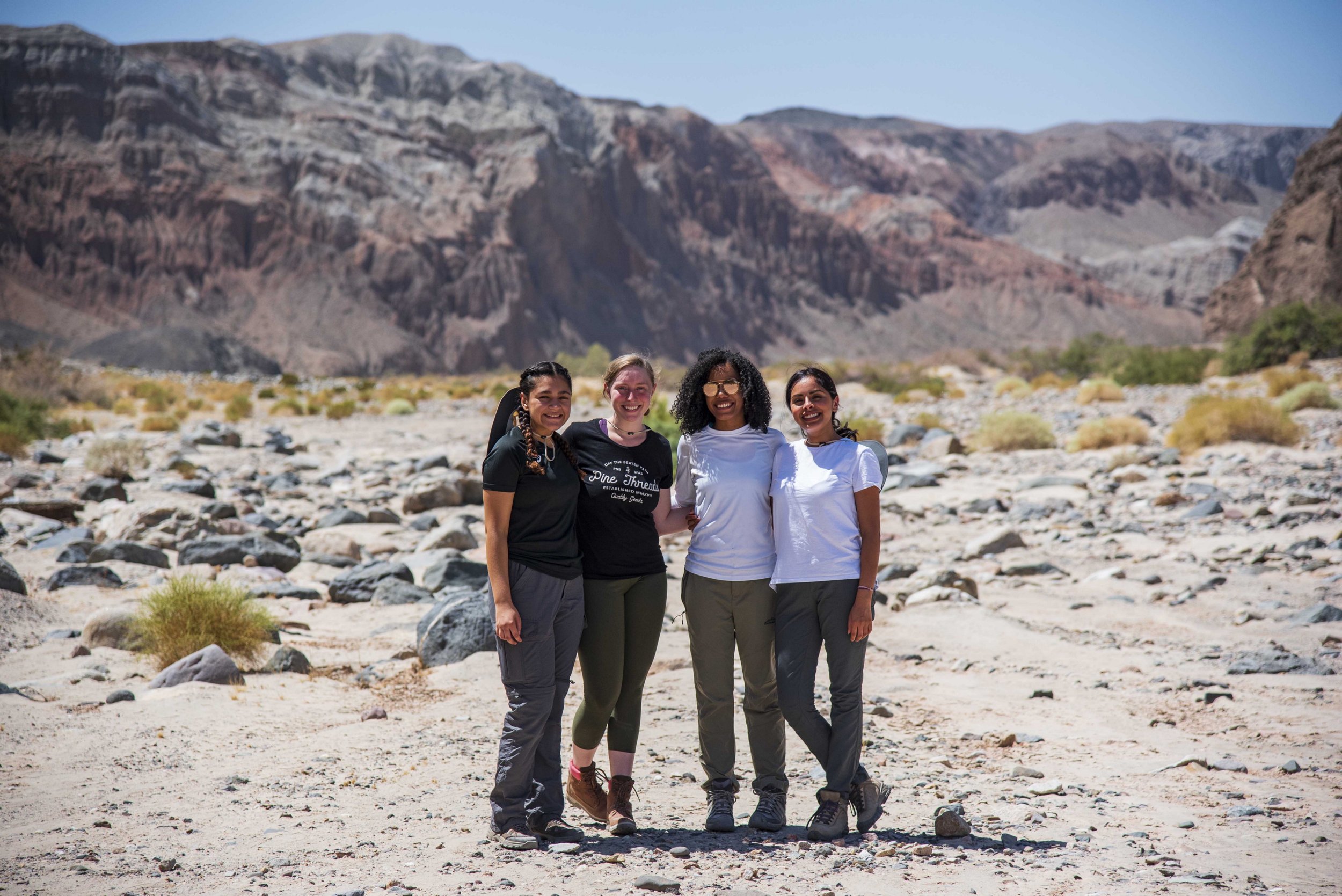
The women tracking bighorn sheep in the Mojave
According to UNESCO, women comprise only 30% of the world’s scientists. In the U.S., that number is slightly higher at 43%. However, women comprise only 33% of environmental scientists in the U.S. Representation is important in all aspects of our diverse nation. The scientific community is growing and needs to reflect the diversity of the American population. MDLT’s WISDOM program aims to help engage women in STEM fields by conducting scientific research, both in the field and in the office.

Seven biologically rich areas, now protected
The Mojave Desert Land Trust recently purchased 1,200 acres in the Sierra foothills. These lands are home to seven springs and may be some of the most species-rich spots in Southern California. Welcome to Desert Springs.