
Action alert! Developers want to build a new city on protected land
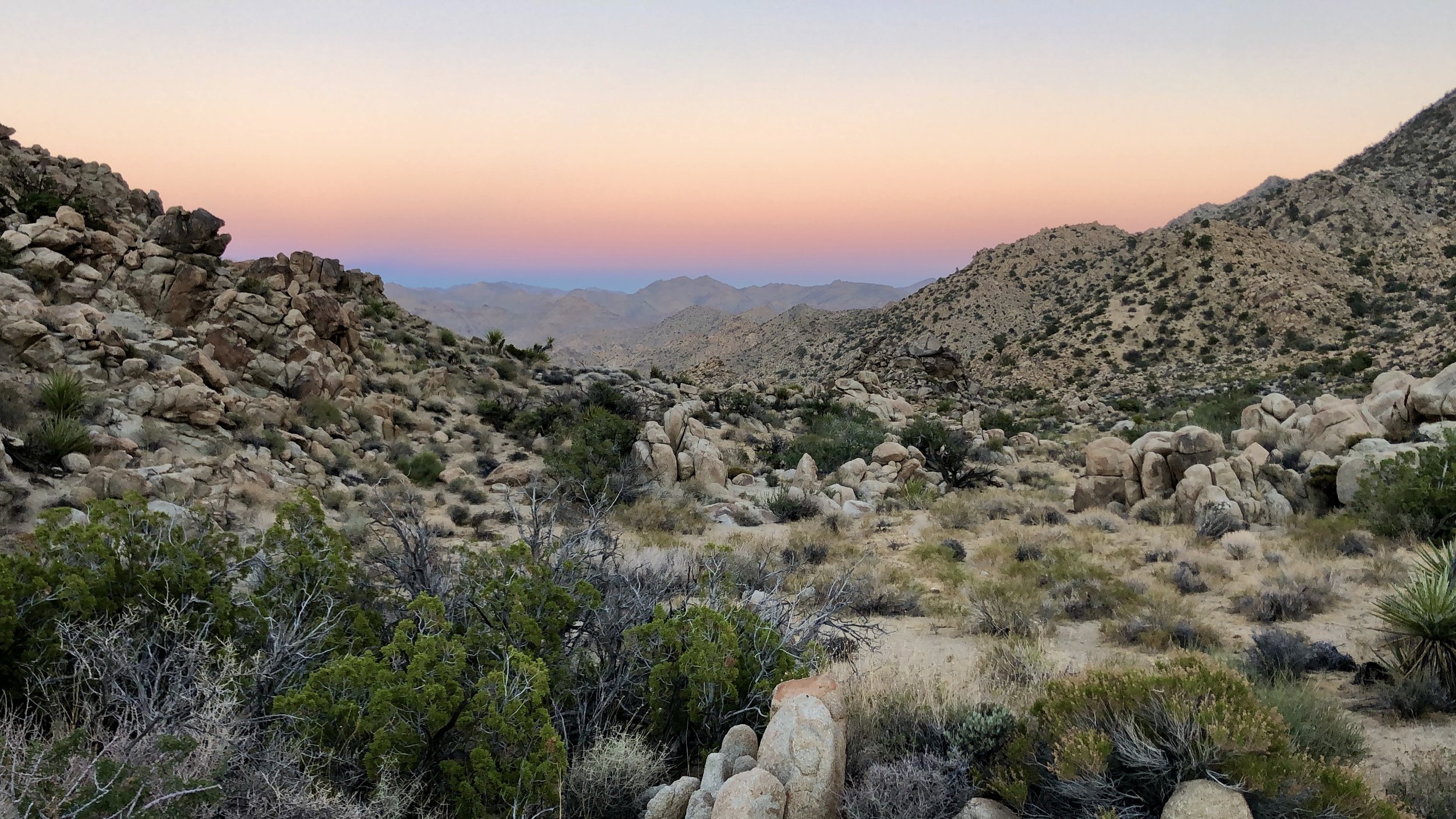
The Paradise Valley project would add thousands of homes next to Joshua Tree National Park. This pristine wildlife corridor is no place for a new city.

How I fell in love with my job
I’ve heard countless stories of how people fall in love with the desert at first sight. That’s fantastic. But the truth is, it wasn’t like that for me. I wasn’t thinking that I would work in conservation for the rest of my life. AmeriCorps NCCC Gold 2 renewed my appreciation for the work I do. Together, we fell in love with the area. We learned to appreciate the fresh air and the views.

AmeriCorps NCCC Gold 2: Three months in the Mojave
The statistics are amazing — 969 feet of irrigation installed, 674 signs posted, 2,300 seeds sown, 9.5 tons of waste removed. How did 11 people achieve so much in such a short time?

In conversation with Geary Hund, Executive Director
Geary Hund has been appointed executive director of the Mojave Desert Land Trust. He brings with him an exemplary background in this field, from his work as California Desert and Monuments Program Director for the Wilderness Society to his most recent position as senior wildlife biologist for US Fish and Wildlife.
A new public garden is growing in Joshua Tree
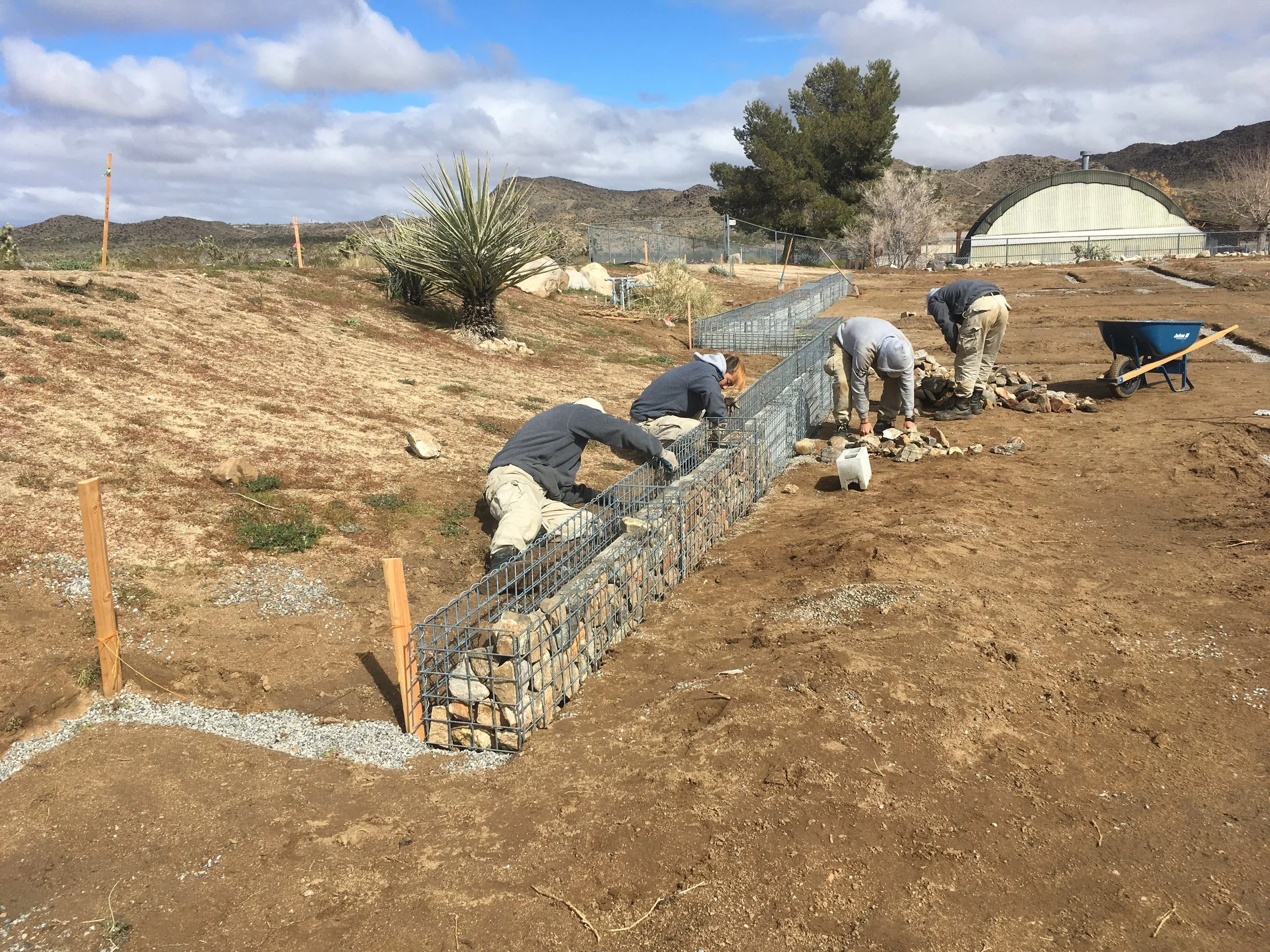
You can probably name 10 animals. But can you name 10 native plants? If not, then this desert demonstration garden is for you. A former parking lot at MDLT’s headquarters is being transformed into a native plant interpretive garden that will be open and accessible to public. The plans for the space include 10 themed gardens with interpretative signage and water-wise irrigation, seating areas, and a meeting space.

The silence inside Mojave Trails
To date, the Mojave Desert Land Trust has acquired over 10,000 acres within Mojave Trails National Monument. Over half of that is within wilderness.

Mapping Joshua trees across the Mojave
If you live in, visit, or care about the Mojave Desert, you’re probably quite familiar with the ungainly silhouette of its most iconic resident: the Joshua tree. Yucca brevifolia and its related species Yucca jaegeriana are endemic to the Mojave Desert, meaning that they’re not found anywhere else on earth. As the manifestations of climate change multiply, even that restricted range is likely to shrink, when low-elevation and southerly populations struggle to adapt to hotter conditions.