

Action alert: Help protect the Joshua tree
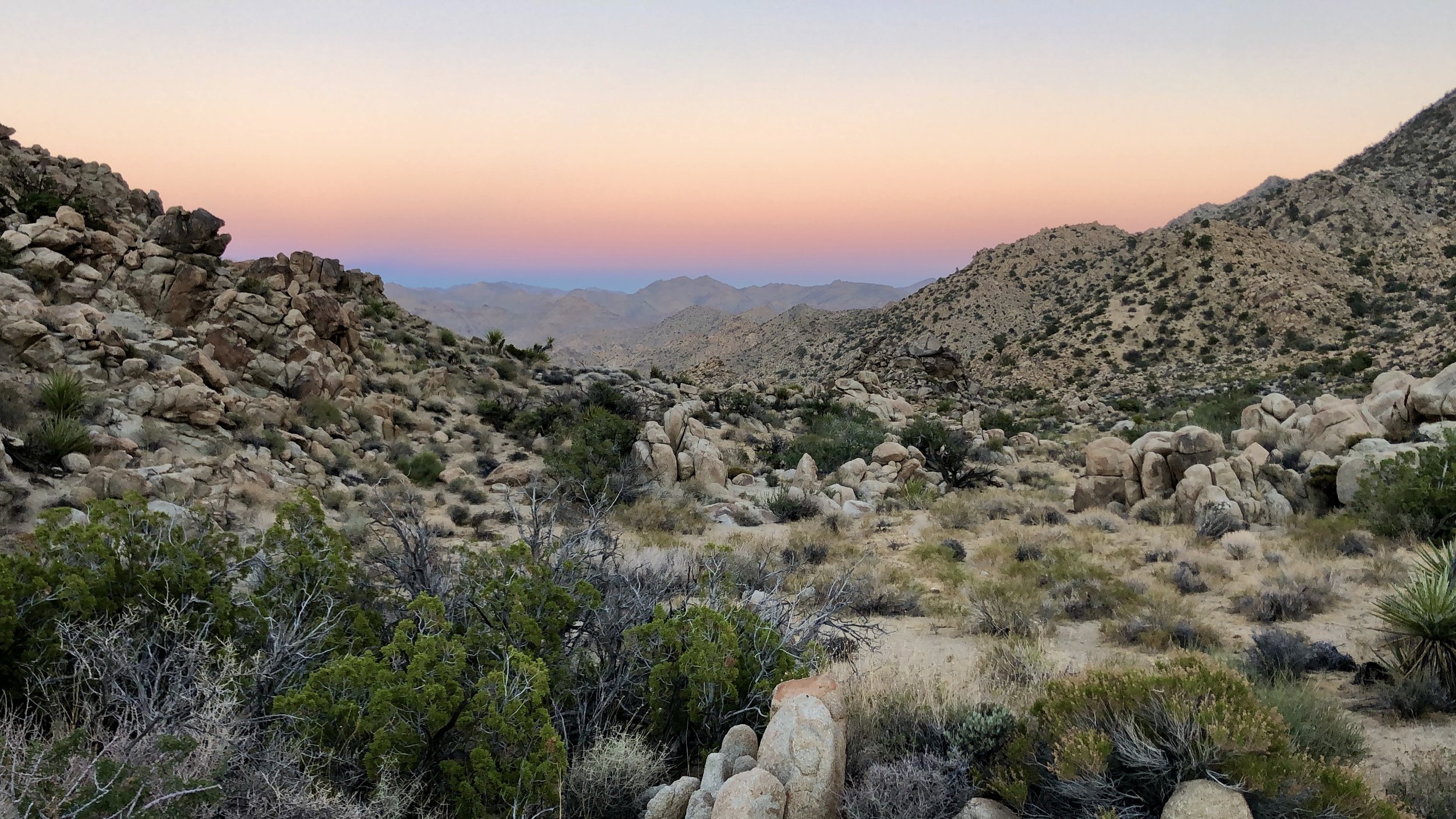
We are at a critical juncture for the western Joshua tree. It may seem impossible to imagine the southern California desert without its signature Joshua tree forests, but without adequate protective measures to address impending threats, it’s a very likely scenario.
Desert plants — and the desert floor itself — are key fighters of climate change
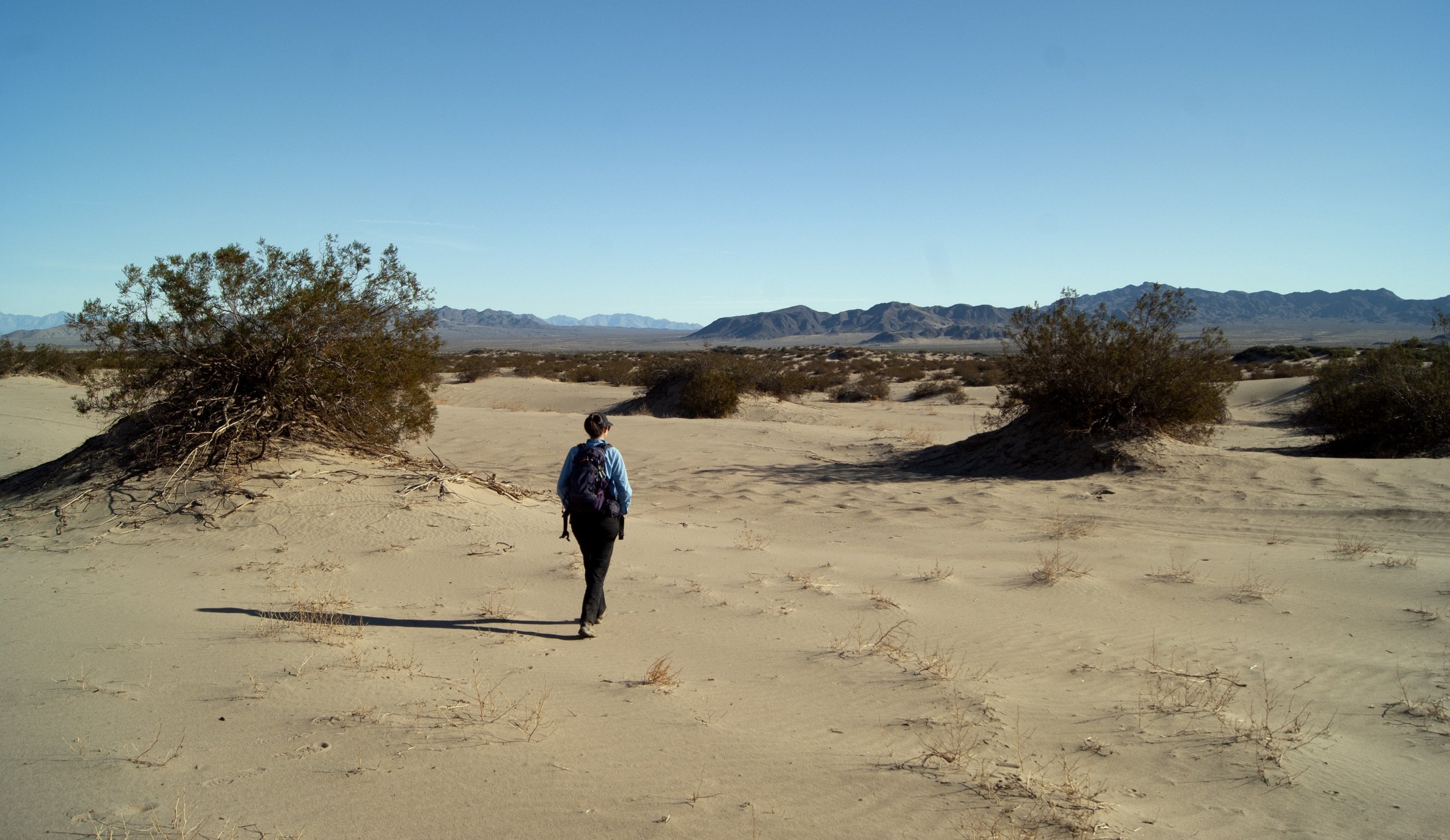
The so-called ‘barren’ lands of the Mojave actually play an important role in keeping carbon out of the atmosphere. Scientists have been surprised to find that deserts, like other ecosystems, function as a carbon sink. This means the Mojave Desert and all the world’s arid lands play a key role in the carbon cycle and carbon uptake — and that preserving them is of high importance as the climate crisis continues. But wait: How does a landscape that seems so empty keep carbon?

Mapping Joshua trees across the Mojave
If you live in, visit, or care about the Mojave Desert, you’re probably quite familiar with the ungainly silhouette of its most iconic resident: the Joshua tree. Yucca brevifolia and its related species Yucca jaegeriana are endemic to the Mojave Desert, meaning that they’re not found anywhere else on earth. As the manifestations of climate change multiply, even that restricted range is likely to shrink, when low-elevation and southerly populations struggle to adapt to hotter conditions.
Tracking climate change through the Joshua tree
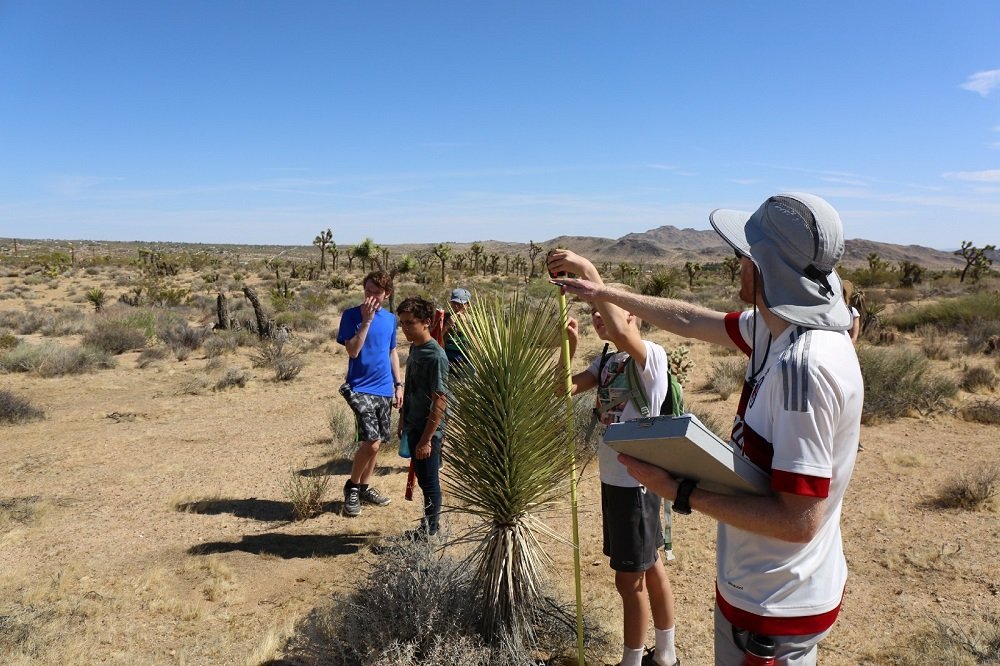
It’s 10am and the sun already feels strong. Seventh and eighth graders pile out of vans and start applying sunscreen. They’ve driven 150 miles from Grauer School near San Diego to become citizen scientists for the day. “I see you’re all wearing the right shoes,” observes Adam Henne, outreach and volunteer coordinator at Mojave Desert Land Trust. In a safety briefing he warns the group about the cholla cactus and reminds everyone to hydrate. “One more thing you’ll need to watch out for: snakes. A good rule is never to put your hands or feet where you can’t see them.”